

Running normal
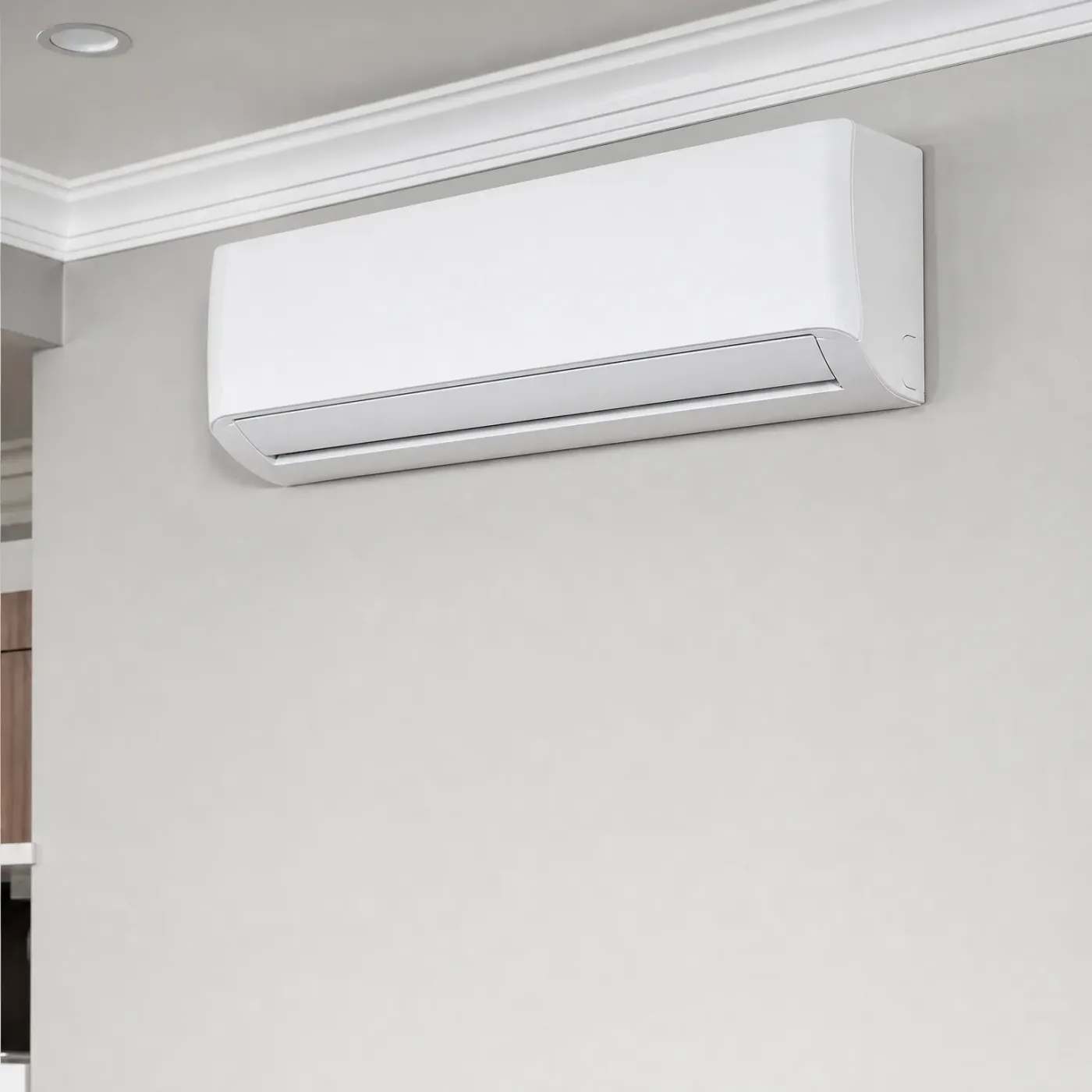
A soft, steady hum and a clean white case. The unit cycles on, holds temperature, and cycles off without drama. Defrost kicks in every so often on the coldest nights, clicks once or twice, and goes quiet again.
Cold hits and suddenly the unit outside is clicking, buzzing, or running louder than it did in October. You're not imagining it. When temperatures drop into the teens and single digits, a mini split works harder to pull heat out of cold air, and that extra effort shows up as sound, both outside and in the head on the wall.
A mini split pulls heat from the outside air even when it's well below freezing, and the colder it gets, the harder the compressor has to run to do that. In a Michigan winter, that means longer run times and a deeper hum or buzz from the outdoor unit. You may also hear a whooshing or clicking sound a few times an hour. That's the defrost cycle, melting frost off the outdoor coil so it can keep pulling in air. None of that means something is broken. But a grinding sound, a rattle that wasn't there before, or noise from the indoor head rather than the unit outside is worth having a contractor look at before it turns into a bigger repair.
The outdoor unit senses low temperature and starts a defrost cycle.
A reversing valve shifts and sends hot gas backward through the coil.
The fan slows or stops while the coil heats up to melt frost.
Hot refrigerant moving through cold metal makes the clicking and whooshing you hear.




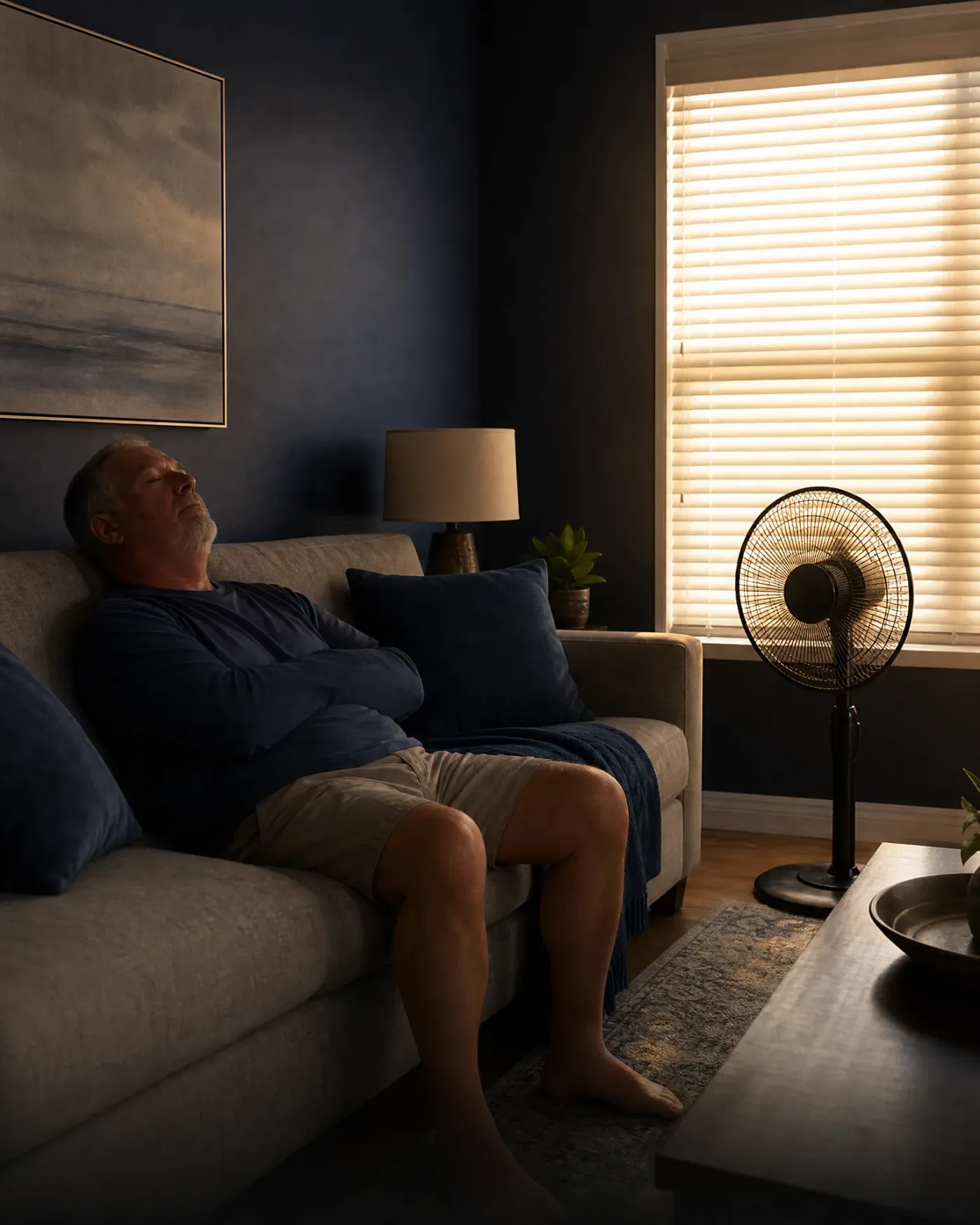
Picture it: everyone's asleep, and the outdoor unit starts clicking again, loud enough to notice from the bedroom. That's the defrost cycle fighting the cold, and in a Michigan January it can run often. Each cycle pulls power to melt the ice and then more power to catch the room back up, and with heat running on electricity here, that adds up on the bill fast. Worse, while the unit defrosts, it isn't putting out heat. Run enough cycles back to back and a room that was warm at midnight can be lukewarm by morning. That's a real problem if you've got someone at home who feels the cold quick, a kid, an older parent, anyone who needs the house to hold steady overnight. A fan that's started rattling or a valve that bangs when it switches isn't just winter noise. Left alone, those parts wear faster and the unit works harder to do less, right when you're counting on it most.


The pro who reaches out is licensed in Michigan.
You only hire the pro if you want to.
A mini split is still a heat pump, and a heat pump pulls heat out of outdoor air even when that air is in the teens or single digits. Michigan winters push it to its limit.
That's why it works harder, cycles into defrost more, and makes more noise than it did in October. A gas furnace never has to do this, which is part of why most homes here still have one backing up the mix.
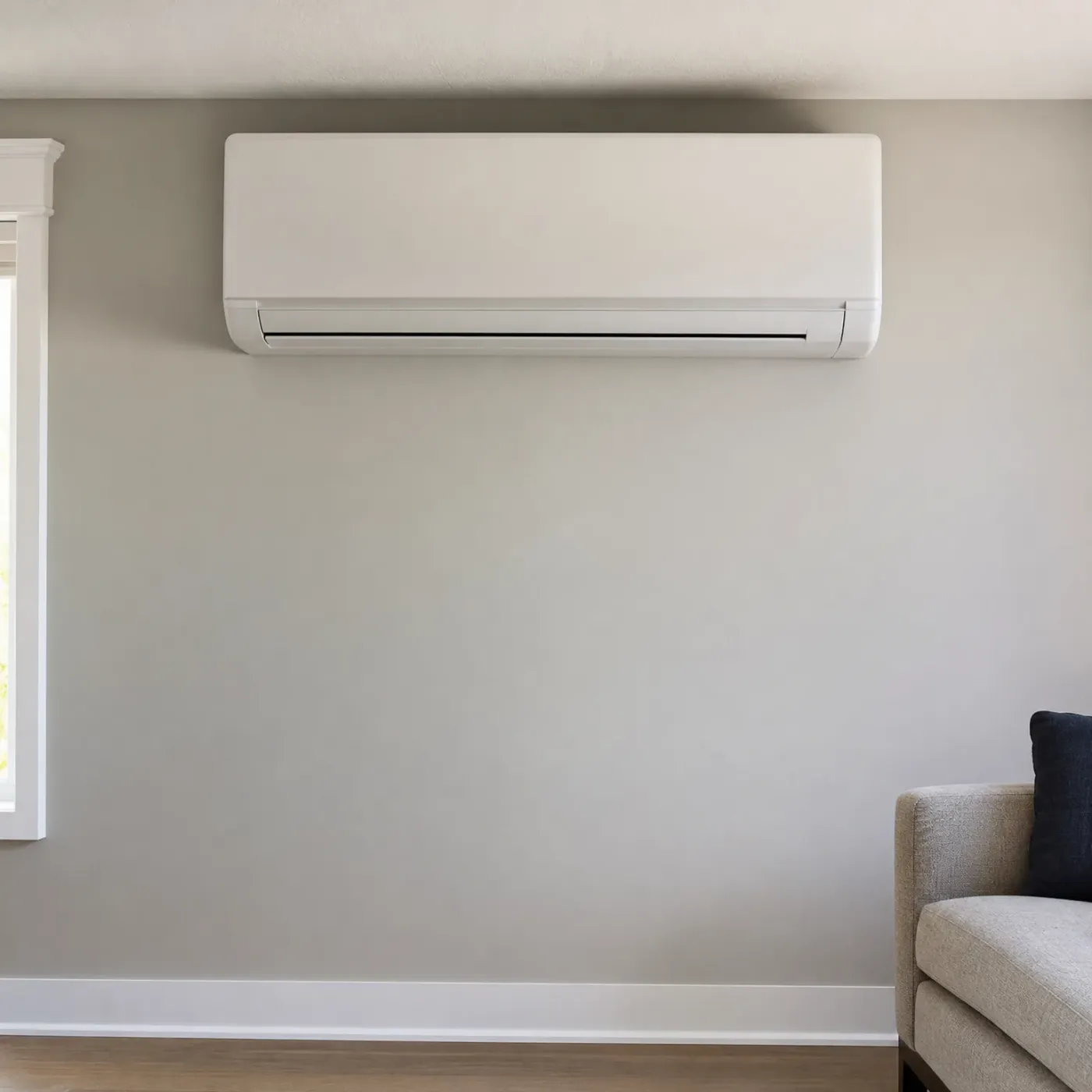
A soft, steady hum and a clean white case. The unit cycles on, holds temperature, and cycles off without drama. Defrost kicks in every so often on the coldest nights, clicks once or twice, and goes quiet again.
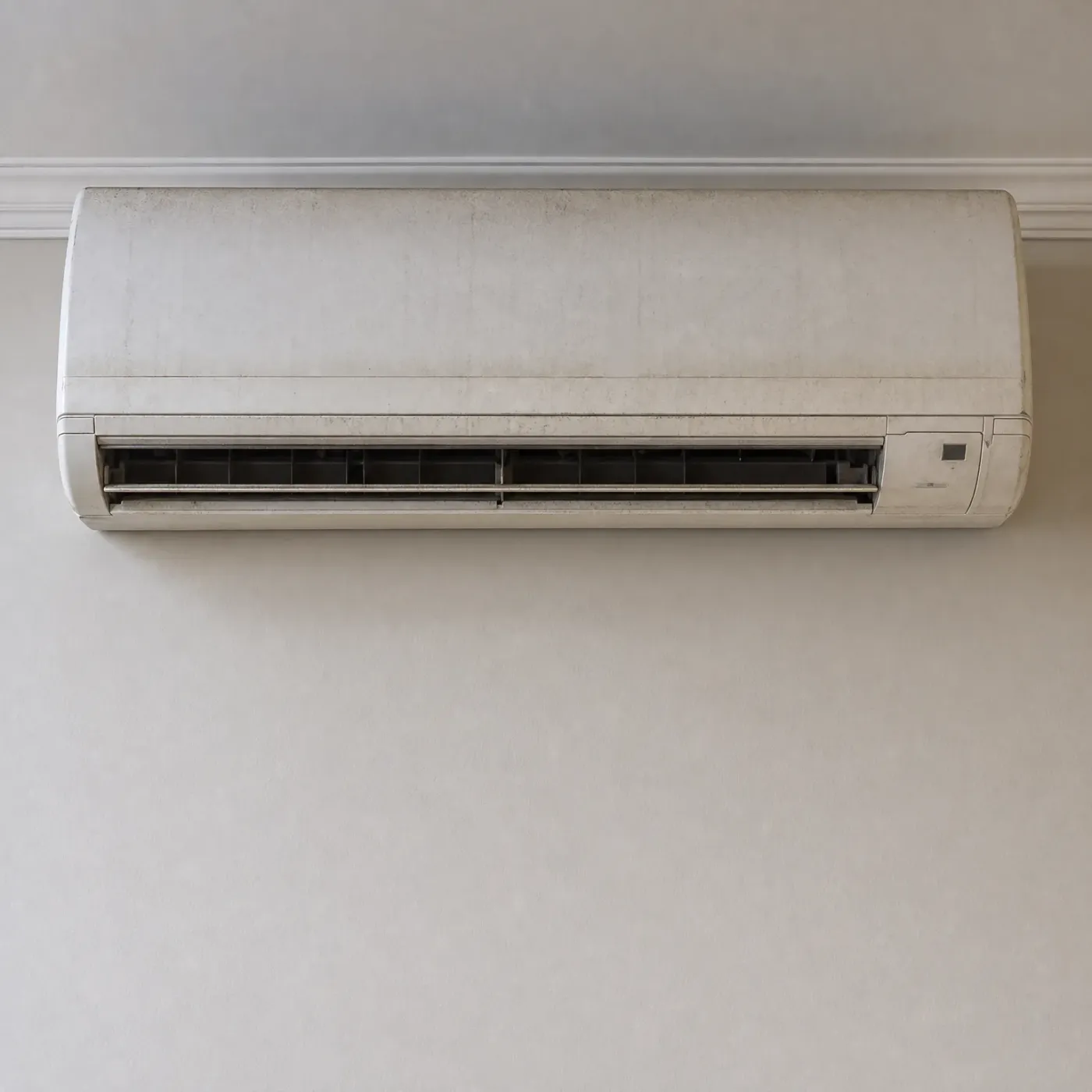
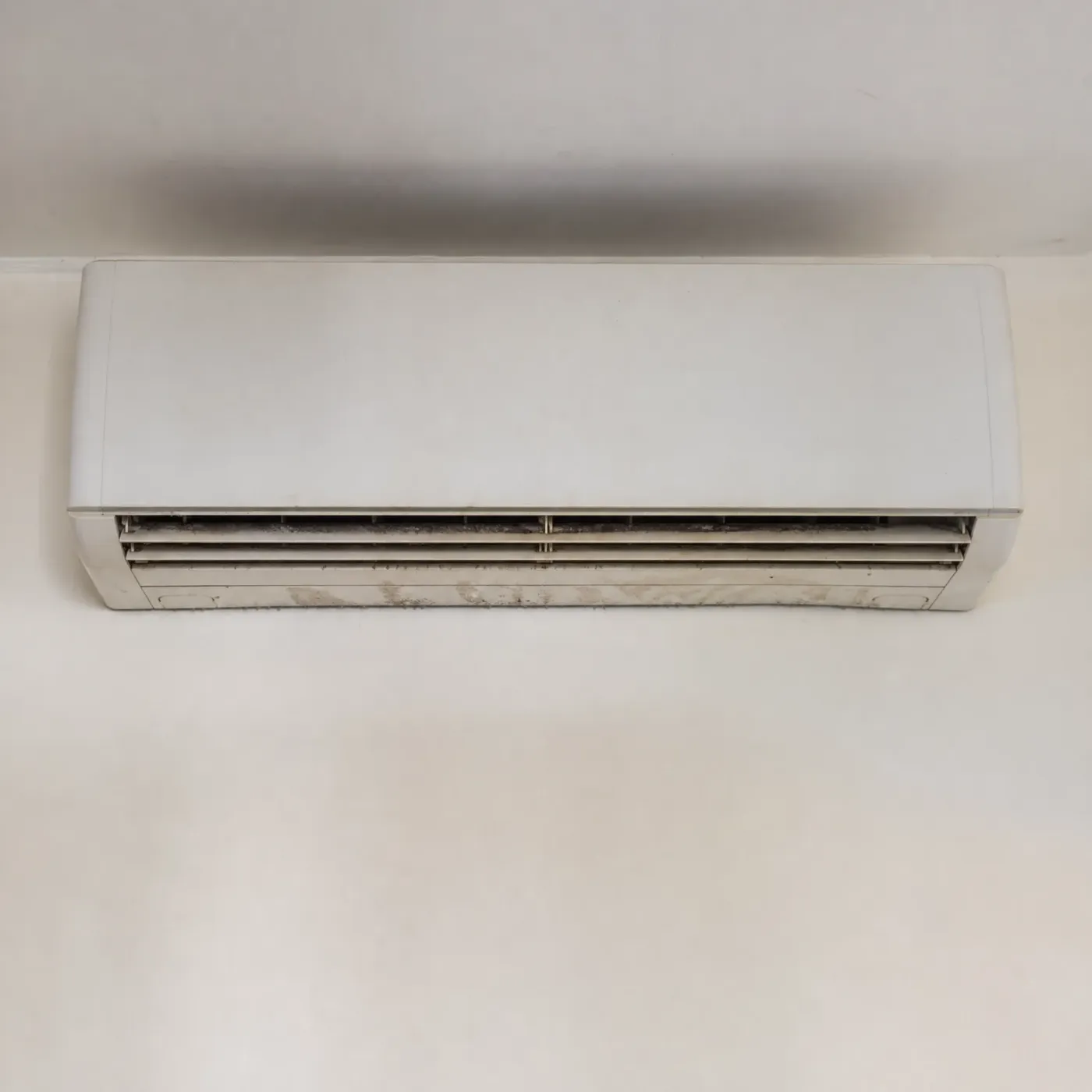
A dusty, aged case is often paired with a unit that's lost some of its margin. Frequent clicking, longer buzzing, or a fan that won't settle down means it's fighting single-digit air with less to spare than it used to have.
You're probably hearing it from the next room, or the living room where the family actually sits. A clack or a shudder through the wall every so often overnight. Maybe the air coming out feels cooler than it should before it warms back up, or the room next to the unit takes longer to feel right than it used to. If the indoor head is rattling against its mounting bracket, or the outdoor fan sounds like it's grinding instead of spinning free, that's wear, not just winter. A unit that short-cycles or struggles to keep up on the coldest nights will run longer to hold the same temperature, and the people who live there feel the cold spots before anyone checks a thermostat.
The unit keeps cycling into defrost, clicking and humming through the night. Whoever is trying to sleep down the hall hears it. The air coming into the room runs cooler than the thermostat says, so you bump the heat up, and the unit works harder and cycles more. On a gas furnace home, that mini split is likely covering one room or a finished addition, and if it falls behind, that's the one space in the house that stays cold while everything else is fine.
A technician who services this equipment every winter in Michigan knows what a normal defrost cycle sounds like versus a coil that's icing over too fast or a fan motor that's wearing out. One licensed contractor takes the call, local to you, and checks the unit against what it should be doing at single digits outside. You stop guessing whether the noise means something is actually wrong, and the room it heats gets back to holding temperature the way it did before winter set in.
At 20.03 cents per kilowatt-hour, every extra defrost cycle your mini split runs on a cold night shows up on the bill. A unit that's cycling every hour instead of every few hours is pulling more power to fight the same cold, and you're paying for that struggle whether or not anyone notices the noise.
EIA-861 2025 statewide residential average
The noise is defrost, working harder than it should because something inside the unit isn't keeping up with a Michigan winter. That doesn't mean you live with it. A technician who works on mini splits all season, in homes around you running the same systems through the same cold, can tell you in one visit whether it's a sensor, a low charge, or a fan motor losing its grip. You don't need three different companies calling about it. One licensed contractor local to you takes the job, looks at your unit, and tells you straight what's wrong and what it takes to quiet it down. The room that's been cold, the clicking that's been waking someone up, the bill that's been climbing for no reason you could see: that's what gets looked at. Where you stand after that is simple. Either the unit gets fixed, or you know for certain it needs more than a repair. Both are better than guessing through another cold snap.





Only one pro gets your request, so you hear from one company.
Asking costs nothing, and the choice to hire stays yours.