Why your mini split blows cold air in Michigan

Step 1 of 3: Equipment

A mini split that blows cold air when it should be heating is usually stuck in the wrong mode or losing the fight against the cold outside. Check the remote first. Fan mode and cool mode both push air without warming it, and it is easy to bump the setting by mistake. If the mode is right and the air still feels cold, the outdoor unit may be icing over. In a Michigan winter, frost builds up on the outdoor coil faster than the system can clear it, and the unit has to run a defrost cycle to melt it off. During that cycle it blows cold air on purpose, for a few minutes at a time. If that cold air runs longer than that, or never stops, something in the system, like a low refrigerant charge or a failed defrost control, is keeping it from switching back to heat. That is not something to wait out through a Michigan winter.

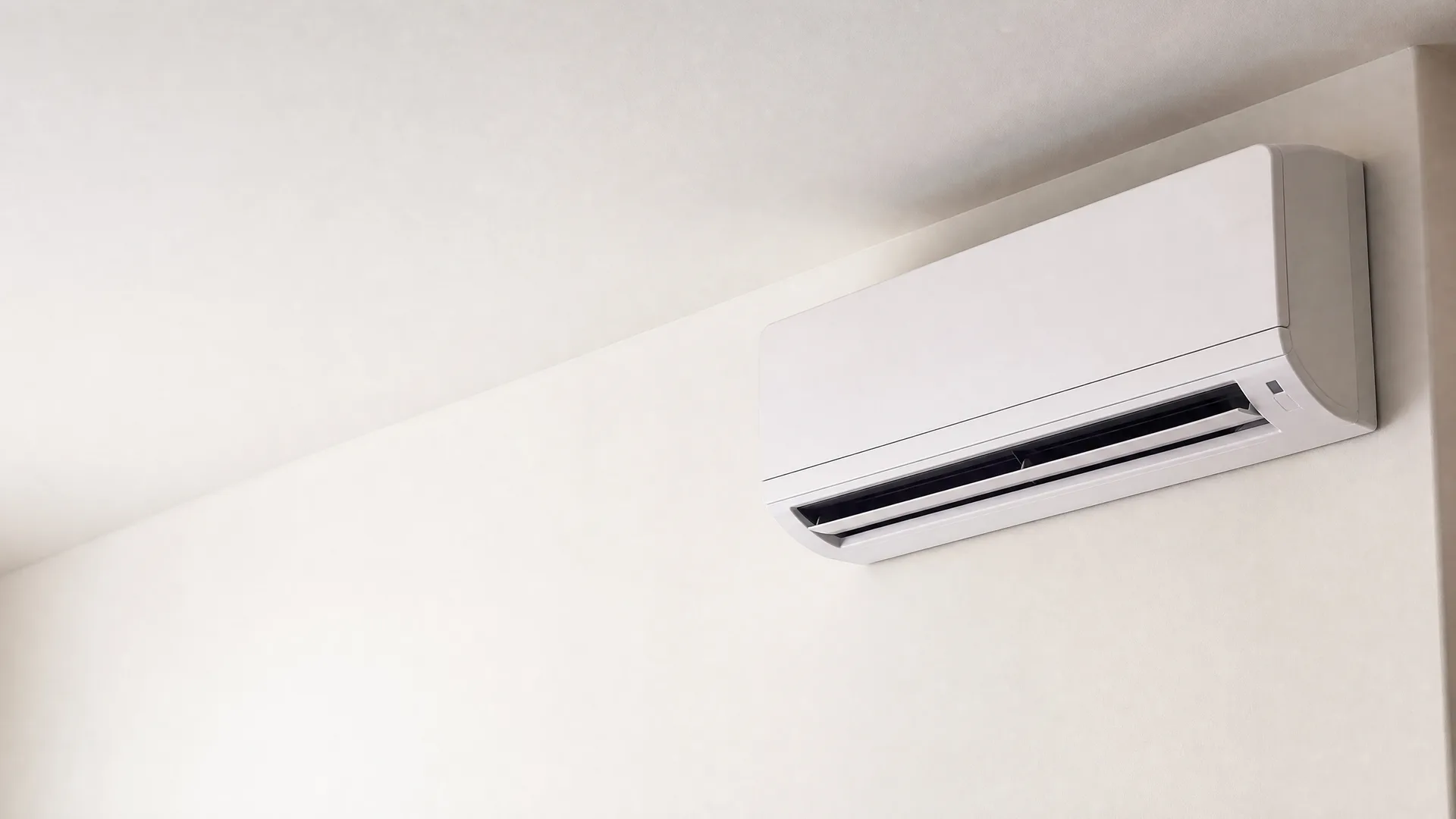
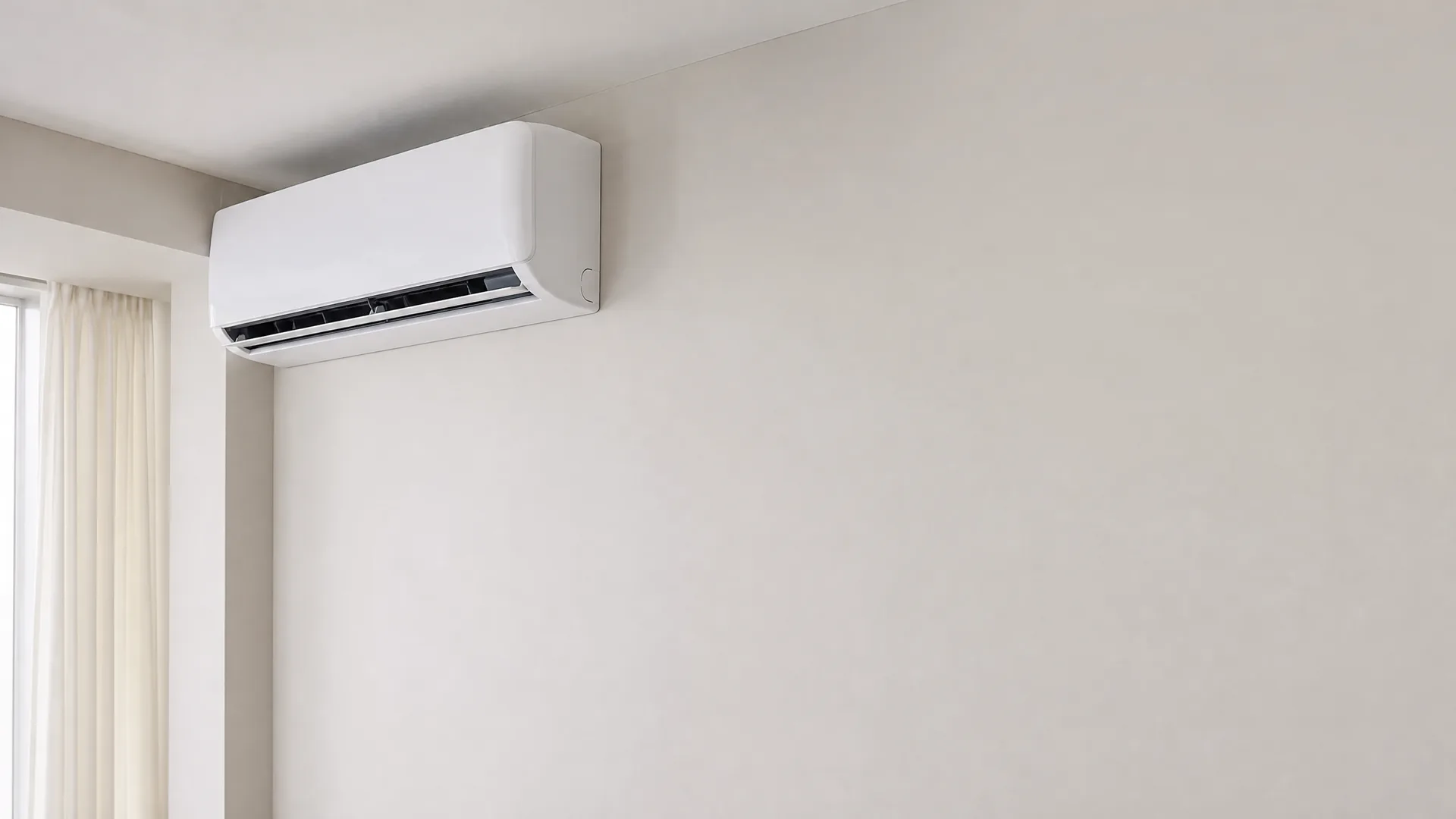
A white wall-mounted mini-split air conditioner near the ceiling of a room with plain beige walls and a pale curtain at the left edge.

Why cold outdoor air matters

A mini split pulls heat from the outside air, even in winter. As the temperature outside drops, there is less heat to pull, and the outdoor unit has to work harder to deliver the same warmth. Below a certain point, some units go into a defrost cycle to clear ice off the outdoor coil. During defrost, the indoor unit can blow cold or cool air for several minutes. That is normal. It becomes a problem when it runs long or often.

A white wall-mounted mini-split air conditioner indoor unit installed near the ceiling on a plain off-white interior wall.

What the outdoor unit is doing

Frost builds on the outdoor coil when it is cold and humid outside, which is common during a Michigan winter. The unit reverses itself briefly to melt that frost, and the indoor fan may keep running while it does, which is why you feel a cold draft. If the outdoor coil stays iced over, or the unit cycles through defrost too often, it is not clearing the ice the way it should, and that points to something a contractor needs to look at.

Settings Mistake or Mechanical Problem

Mode or settings problem

  • The remote shows fan or cool mode instead of heat, which is the most common reason warm air stops coming out.
  • The thermostat is set below the room's actual temperature, so the unit has no reason to call for heat.
  • A timer or sleep setting left on from last night can quietly switch the unit off heat mode without you touching the remote.
  • The unit responds right away once the mode is corrected, usually within a few minutes of air blowing from the head.
  • A dirty remote sensor or weak batteries can send the wrong signal, so the display shows heat while the unit runs something else.

Outdoor unit losing the fight against the cold

  • Once outdoor temperatures drop into the single digits or below, some units can't pull enough heat from the air to keep up.
  • Ice building up on the outdoor coil blocks airflow, and the unit may blow cool air during its defrost cycle to clear it.
  • A clogged outdoor coil or a fan that isn't spinning at full speed cuts into how much heat the unit can draw in.
  • A refrigerant leak lowers the unit's charge, and a low charge means less heat moves indoors no matter what the thermostat says.
  • This points to a mechanical problem rather than a settings mistake, and it won't clear up on its own.
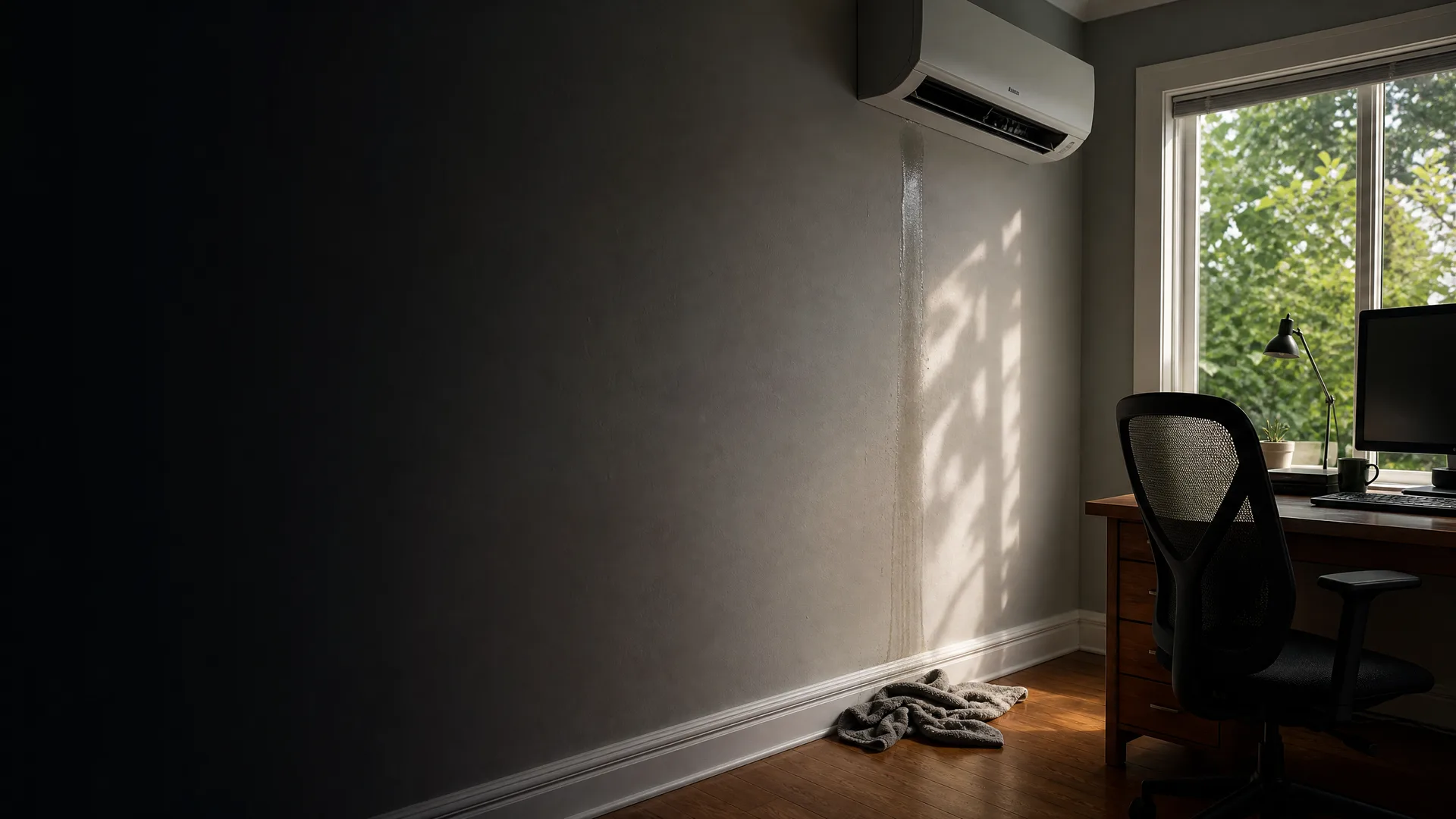
A wall-mounted mini-split air conditioner in a dim room, with a water streak running down the wall below it to a towel on the floor near the baseboard, beside a desk, office chair and monitor by a window.

You're at the desk in the office you set up two summers ago, the mini split humming over your shoulder like always. It's July, the air outside thick enough to chew, and you catch it from the corner of your eye: a dark streak running down the wall under the indoor unit, following the line of the bracket. You get up, press a hand to the drywall, and it's damp. You grab a towel from the hall bathroom and lay it along the baseboard before it reaches the outlet strip behind your desk. You stand there a second, looking at the unit, wondering how long it's been doing this without you noticing, and what else it's dripping into that you can't see.

Get your mini split to the right pro

Send the request today and let a mini split pro reach out to you.

It costs nothing to send, and you don't have to hire anyone.

How heat mode actually works

  • Heat mode runs the refrigerant cycle backward, so the outdoor coil absorbs heat instead of releasing it.
  • A reversing valve switches the refrigerant flow between cooling and heating, and a stuck valve can leave it cooling no matter what the remote says.
  • The indoor fan is built to wait a few minutes after a call for heat before it spins up, so the coil has time to warm.
  • Below a certain outdoor temperature, most units run a defrost cycle that briefly reverses to cooling to clear ice off the outdoor coil.
  • During defrost the indoor fan should pause or slow down, and a sensor failure here can leave cold air blowing into the room.
  • Low refrigerant charge weakens the whole cycle, so the indoor coil never gets warm enough even though the compressor is running.

A mini split in heat mode is running backward on purpose. The reversing valve flips the refrigerant flow so the outdoor coil pulls heat from the air outside and the indoor coil releases it into the room. That valve is the part that decides whether you get heat or cold, and when it sticks, the unit keeps cooling even though the remote says heat and the compressor sounds like it's working fine.

There's also a built-in delay. After the thermostat calls for heat, the indoor fan waits a few minutes before it turns on, giving the coil time to actually warm up first. If that fan starts blowing right away, or if something in the control board misreads the delay, cold air comes out before the system has caught up.

Then there's defrost, which matters a lot in Michigan winters. Once outdoor temperatures drop low enough, ice builds up on the outdoor coil, and the system has to briefly reverse into cooling to melt it off. During that short cycle, the indoor fan is supposed to pause or slow way down so you don't feel it. If the sensor that controls that pause fails, the fan keeps running normally and blows cold air straight into the room, even though nothing is actually broken.

Low refrigerant charge causes a different kind of failure. The compressor still runs, but the indoor coil never reaches a real heating temperature, so the air coming out stays lukewarm or cold no matter how long it runs.

A woman in a cream cowl-neck sweater sits by a window with snow outside, in a dimly lit living room with a sofa, lit lamp, mirror, candles and a fireplace.
A woman in a gray turtleneck sweater sits beside a large window looking out at snow-covered evergreen trees, in a dimly lit living room with a lit fireplace, lamps, couch and houseplant.
A woman in a cream turtleneck sweater stands beside a large window with snow-covered ground and bare trees outside, in a dimly lit living room with lamps, a sofa and framed art.
A woman in a grey cowl-neck sweater stands indoors near a window, looking out at falling snow, with a lamp, framed picture and couch in the warmly lit room behind her.
  1. The thermostat calls for heat and the reversing valve shifts position.

  2. Refrigerant flow reverses, so the outdoor coil now absorbs heat.

  3. The compressor pressurizes refrigerant to pull warmth from the cold air outside.

  4. The indoor coil releases that heat, and the fan pushes warm air into the room.

Power costs 20.03 cents per kilowatt-hour statewide

At that rate, a mini split stuck in the wrong mode and running the compressor for nothing adds up fast on your bill. A reversing valve or sensor problem that keeps pushing cold air through the winter costs you twice: no heat, and a meter that keeps spinning anyway.

EIA-861 2025 statewide residential average

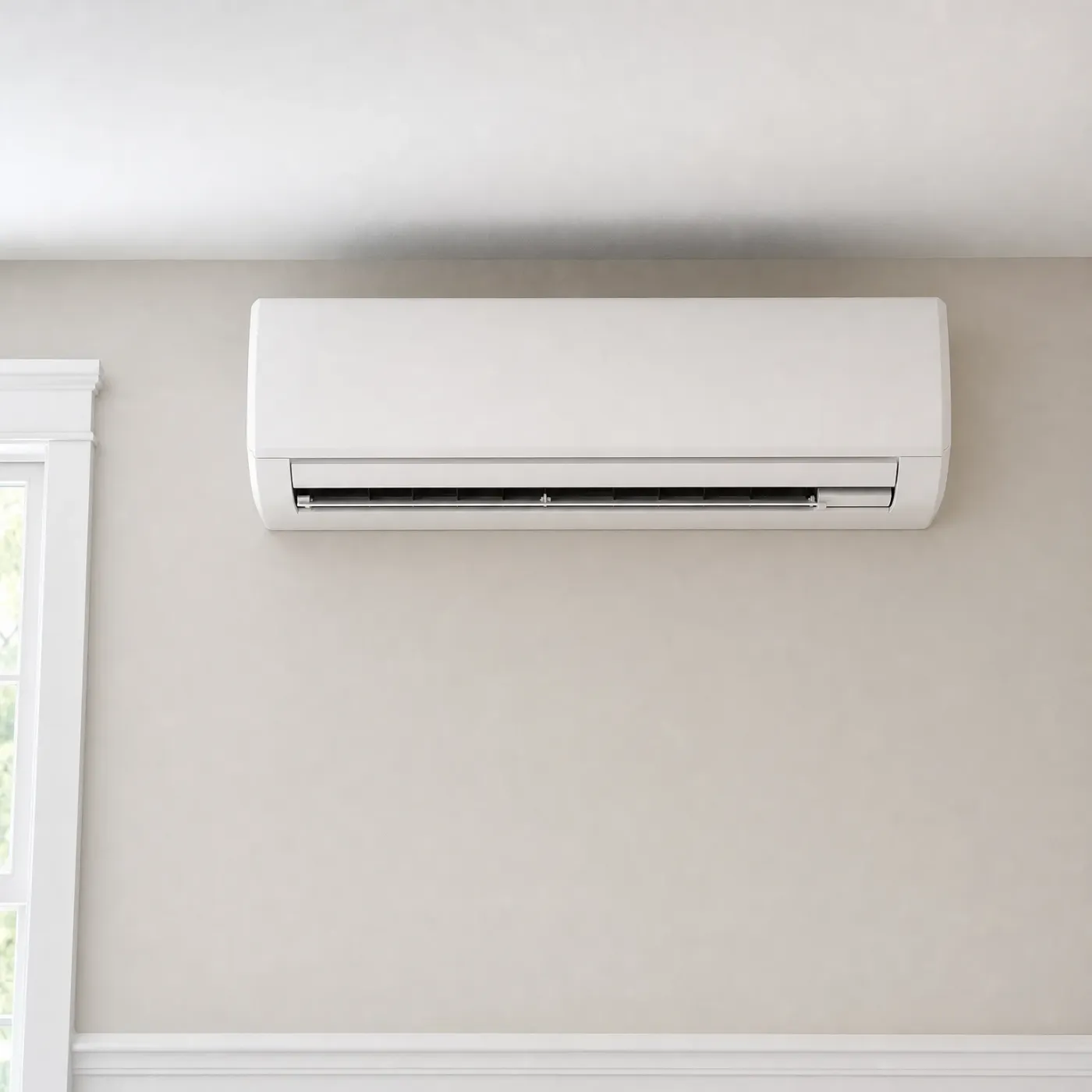
A white wall-mounted mini-split air conditioner installed high on a beige interior wall near the ceiling, with a white-framed window at the left edge.

Running the way it should

Air comes out warm at the grille and the room actually climbs past where it sat an hour ago. The wall stays clean, the filter underneath is visible and clear, and the unit sits quiet except for the normal low hum of the fan.

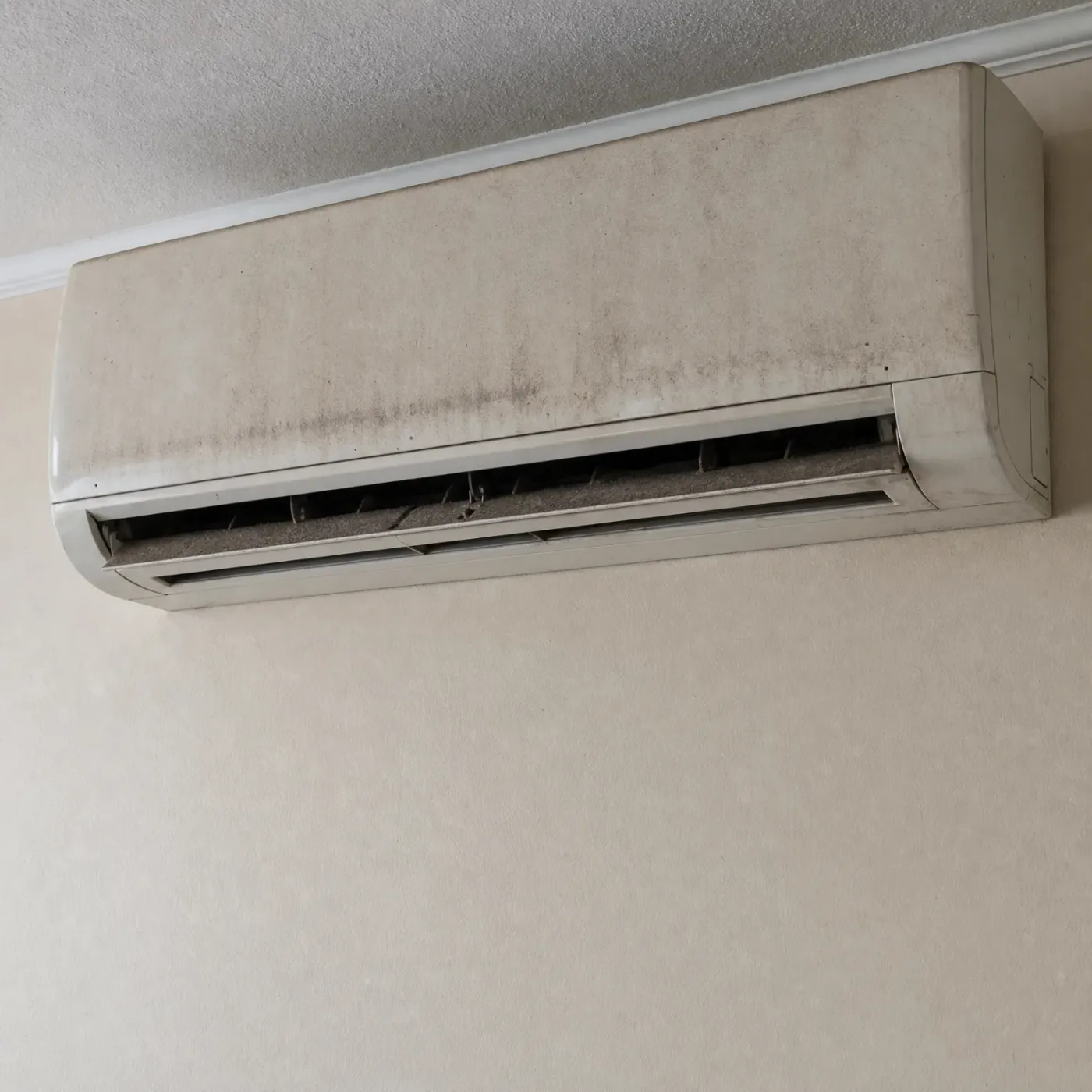
A dusty, stained wall-mounted mini-split air conditioner indoor unit near the ceiling on a plain beige wall, with visible lint buildup at its intake grille.

Running into trouble

Dark streaks run down the casing and across the filter, dust and grime built up where air should be moving freely. A mini split this dirty can still blow cold when you need heat, and a clogged coil only makes the reversing valve work harder to catch up.

A woman in a cream sweater and jeans stands in the open doorway of a white stucco house, holding the dark door, while a man in a dark quilted jacket seen from behind walks toward the entry past potted plants.

A mini split blowing cold air in winter has a reason, and it's fixable

Wrong mode, a frozen outdoor coil, a reversing valve stuck in the cooling position, a sensor sending bad readings. Whatever the cause, the fix is mechanical, not a mystery, and it doesn't get better by waiting through another cold snap in Michigan. The streak on the wall, the room that won't climb past 65, the compressor running for nothing while your bill climbs with it, those are signs worth acting on the first week you notice them, not the fourth.

You don't have to figure out which of these it is before you do anything. Send what you know about your unit and your situation, and the next step is a contractor who works on mini splits reaching out to you directly. No more calling around, no more sitting with a system that blows cold through February. That part of it is off your plate once the form goes in.

A living room corner with a beige sofa and cushion, a round wooden coffee table holding a pale ceramic vase of eucalyptus stems and a wooden bowl, and a curtained window with a potted plant above a latticed radiator cover in the background.
A bearded man in a blue and brown plaid flannel shirt stands indoors looking out a window at snow-covered trees, with a ceramic mug on the windowsill.
A man in a blue T-shirt sits on a light gray sofa, laughing while looking at an open laptop in the foreground, with a framed picture, lamp and potted plant behind him.

The right pro for this job

A mini split pushing cold air through a Michigan winter is not something to live with until spring. The cause is usually one part: a stuck reversing valve, a frozen outdoor coil, or a sensor telling the unit something false. A contractor who works on these systems can find which one it is and fix it, not just reset the remote. Send the form and let someone qualified take it from here. You stop chasing settings, and the cold air stops costing you on the gas side and the electric side at once.

Send it today

Get the mini split repair search off your mind today.

No charge to send it. You decide if you hire them.