A Manual J, not a tape measure
A proper load calculation checks insulation, window area, ceiling height and air leaks room by room, something square footage alone can't tell a contractor.
 Let a pro reach out
Send the form and the search for an installer is over.
Sizing a mini split for a Michigan home isn't a guess you want to get wrong. Too small and it can't keep up once July turns sticky. Too big and it short cycles, so the room never gets dry and comfortable even though the unit keeps clicking on and off. Getting it right takes more than square footage. It depends on how the room is insulated, how many windows face the sun, what's on the other side of the walls, and whether this unit is carrying the whole house or just backing up a gas furnace on the shoulder months.
That last part matters more here than in most states. Most Michigan homes heat with gas, so the mini split is often doing cooling duty most of the year and picking up spring and fall heating when running the furnace doesn't make sense yet. A unit sized for one job can come up short or run wasteful at the other. With electric rates what they are in Michigan, an oversized or undersized system shows up on the bill either way.
A contractor who installs mini splits in Michigan every season knows how local houses lose and hold heat, what the humidity swings in a muggy summer do to a room that's sized wrong, and where past installs in this area have gone sideways. That's the kind of judgment a load calculation on paper doesn't fully capture.
Send the form below and the search for that contractor is off your plate. You're not stuck sorting through quotes or fielding calls from companies you didn't ask to hear from. One licensed local contractor gets matched to your home, and from there it's their job to figure out the right size and get it installed. That's weight off your shoulders, not one more thing added to your list.
There's no single number that works for every Michigan home. Sizing a mini split comes down to a load calculation, a room by room look at square footage, insulation, window area and ceiling height, because a 12,000 BTU unit that fits a small addition will struggle in a larger open room and sit oversized and short cycling in a tight one. Michigan adds its own wrinkle on both ends. In summer, humidity around the Great Lakes means a unit sized only for temperature can cool a room without pulling the moisture out of it, leaving it clammy. In winter, since most homes here heat with gas, a mini split is often asked to cover just part of the house or a specific room rather than the whole heating load, which changes what size actually makes sense. A contractor who does a proper load calculation, not a square footage chart, is the only way to get this right for your rooms.
At 20 cents a kilowatt-hour, an oversized mini split costs you twice over. It draws more power every time it cycles, and short cycling means it cycles constantly. Getting the size right keeps your summer bill from climbing on top of that already high rate.
EIA-861 2025 statewide residential average
A mini split sized off square footage alone might land close on a simple rectangular room with one exterior wall and a normal ceiling. It's a shortcut that sometimes happens to work.
A room with a vaulted ceiling, a wall of west-facing windows, or an uninsulated addition needs more than the square footage number suggests. A load calculation catches that. A tape measure alone won't.




A proper load calculation checks insulation, window area, ceiling height and air leaks room by room, something square footage alone can't tell a contractor.
A contractor who installs mini splits around Michigan all summer knows which rooms run hot and sizes the unit to match, not just the floor plan.
You keep seeing BTU charts online that promise an easy answer, but you know your sunroom addition or your living room with the big west window isn't going to behave like a simple square-footage number. You want to know what a contractor actually does differently, beyond glancing at the room and quoting a size off a chart.
A contractor doing this right runs a Manual J calculation for the room the mini split is heating and cooling. That means measuring the square footage, then checking what surrounds it: how many windows, which direction they face, how much of the wall is glass, what the ceiling height is, and how well the room is insulated. Each of those adds or subtracts heat load. A north-facing bedroom with small windows loses less load than a sunroom with glass on three sides, even at the same square footage. The contractor adds up the numbers for that specific room and matches the output to a unit size, in BTUs, that covers it without running oversized. It's math done on your actual room, not a chart built for an average one.
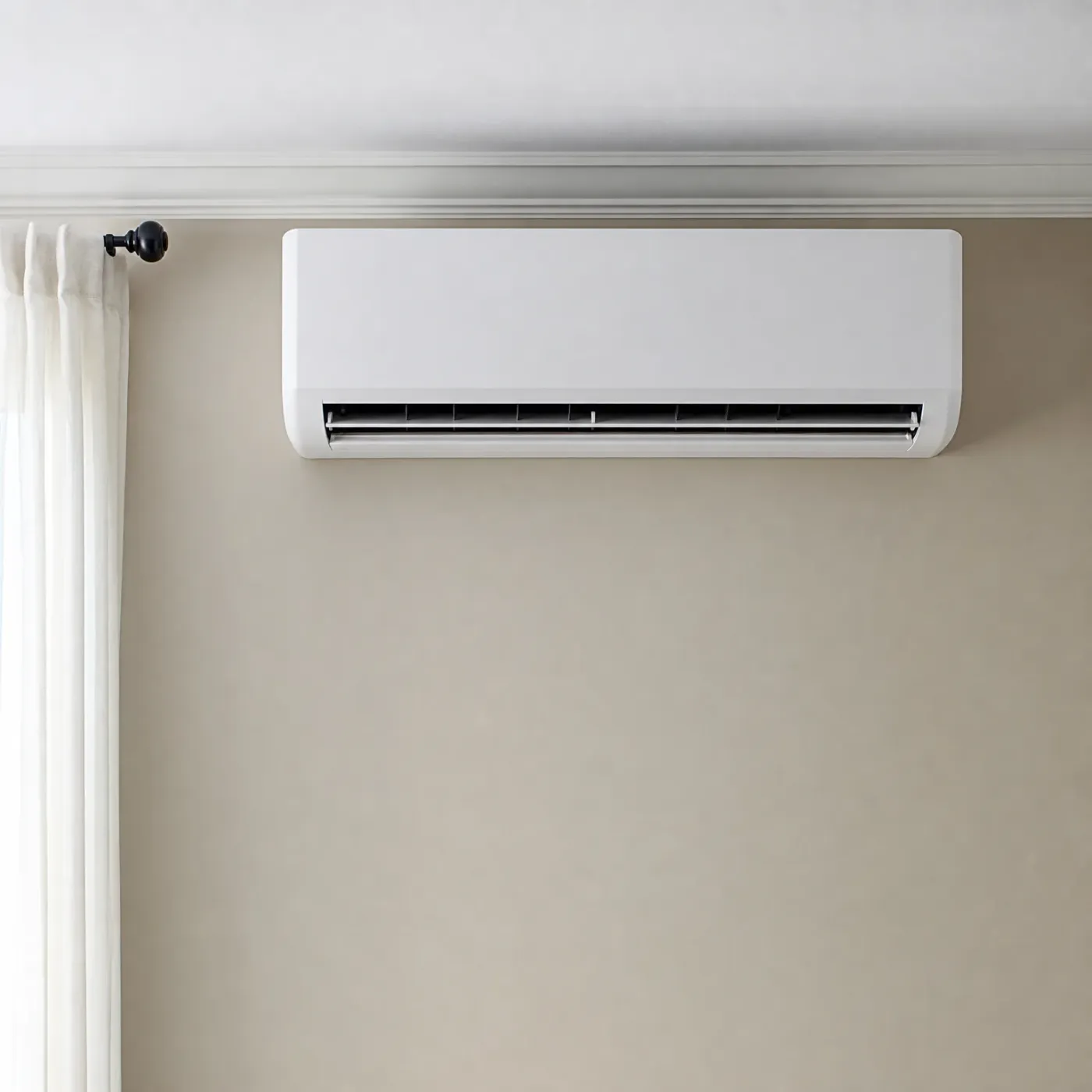
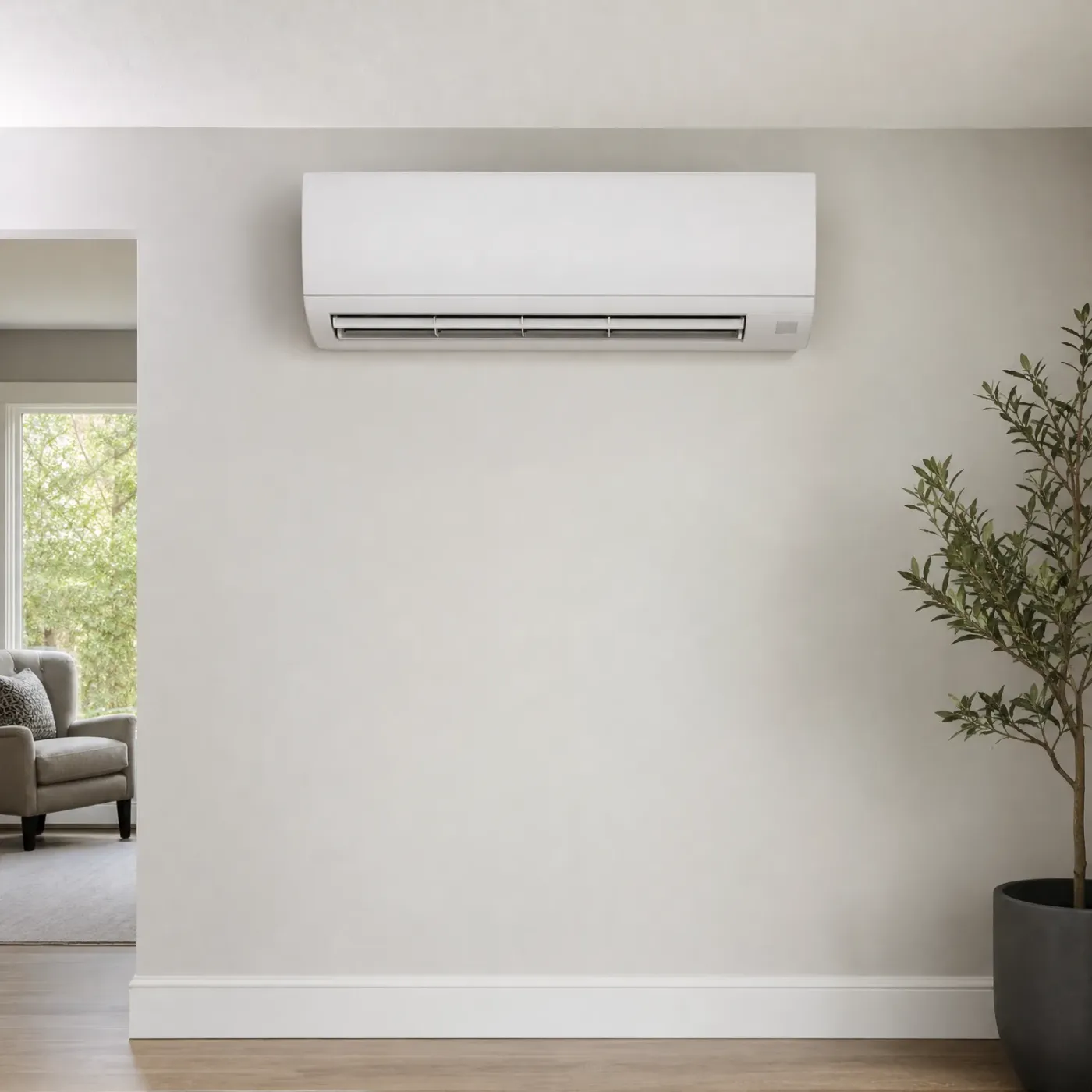
A mini split that's sized right looks like this: mounted high, running quiet, moving air without strain. It cycles on, pulls the humidity down, and shuts off instead of grinding through the afternoon. The casing stays clean because the unit isn't working harder than it needs to, cycle after cycle, all summer.
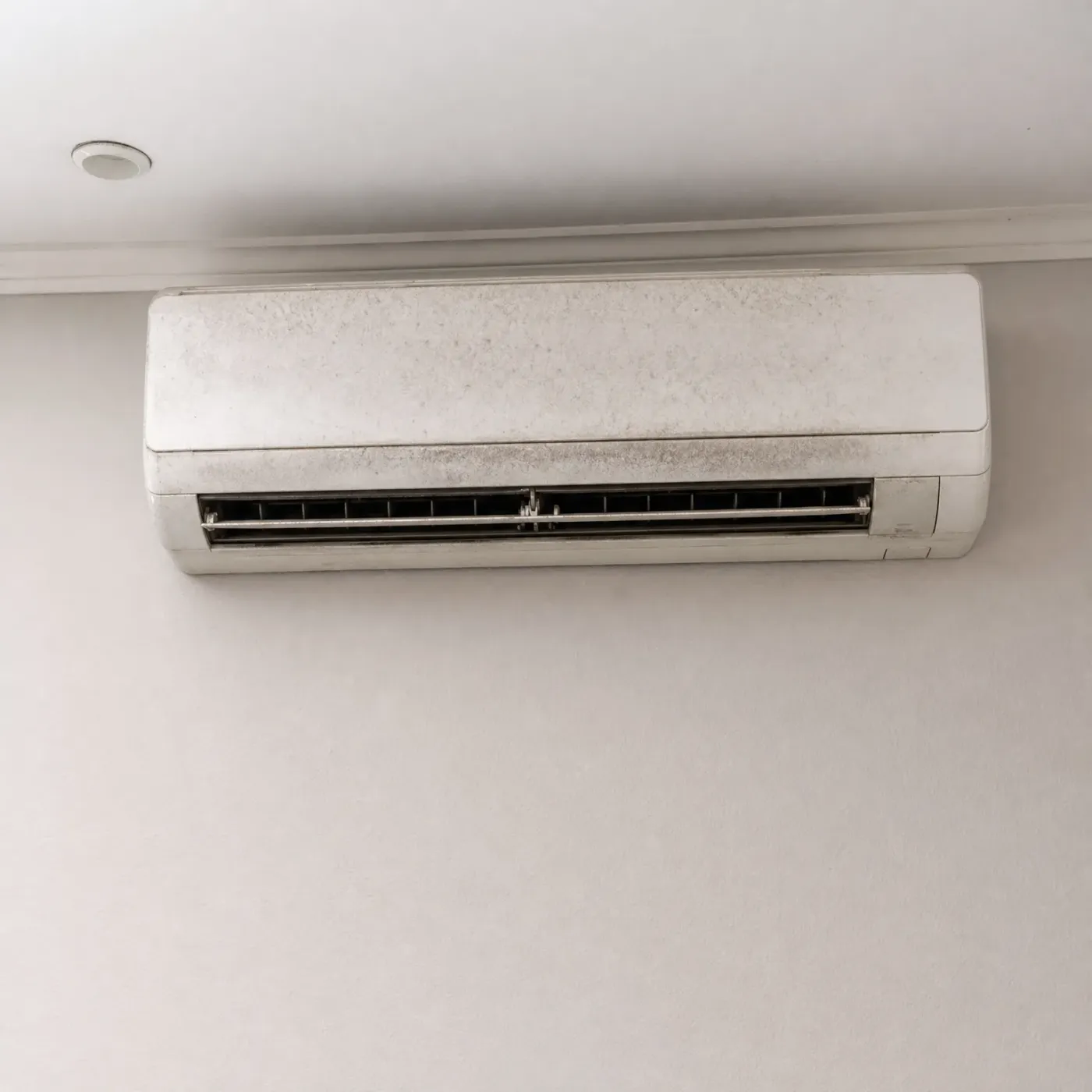
A mini split that's too small for the room never gets a break. It runs long hours trying to catch up, pulling dust through the casing faster than normal, and still leaves the room sticky by August. Grime like this often means a unit working past what it was sized to handle.
Only one pro gets your request, so you hear from one company.
You're not committing to anything by asking.

Michigan summers average a 60°F dew point across June, July and August, per NOAA climate data. That's sticky enough that a mini split spends more of its runtime pulling moisture out of the air than actually cooling it. If the unit is undersized, it'll hit the temperature you set but the air still feels damp, because it's cycling off before it finishes wringing out the humidity. The wrong size shows up as a room that reads cool on the thermostat but still feels clammy against your skin.
NASA POWER T2MDEW county cells weighted by homes
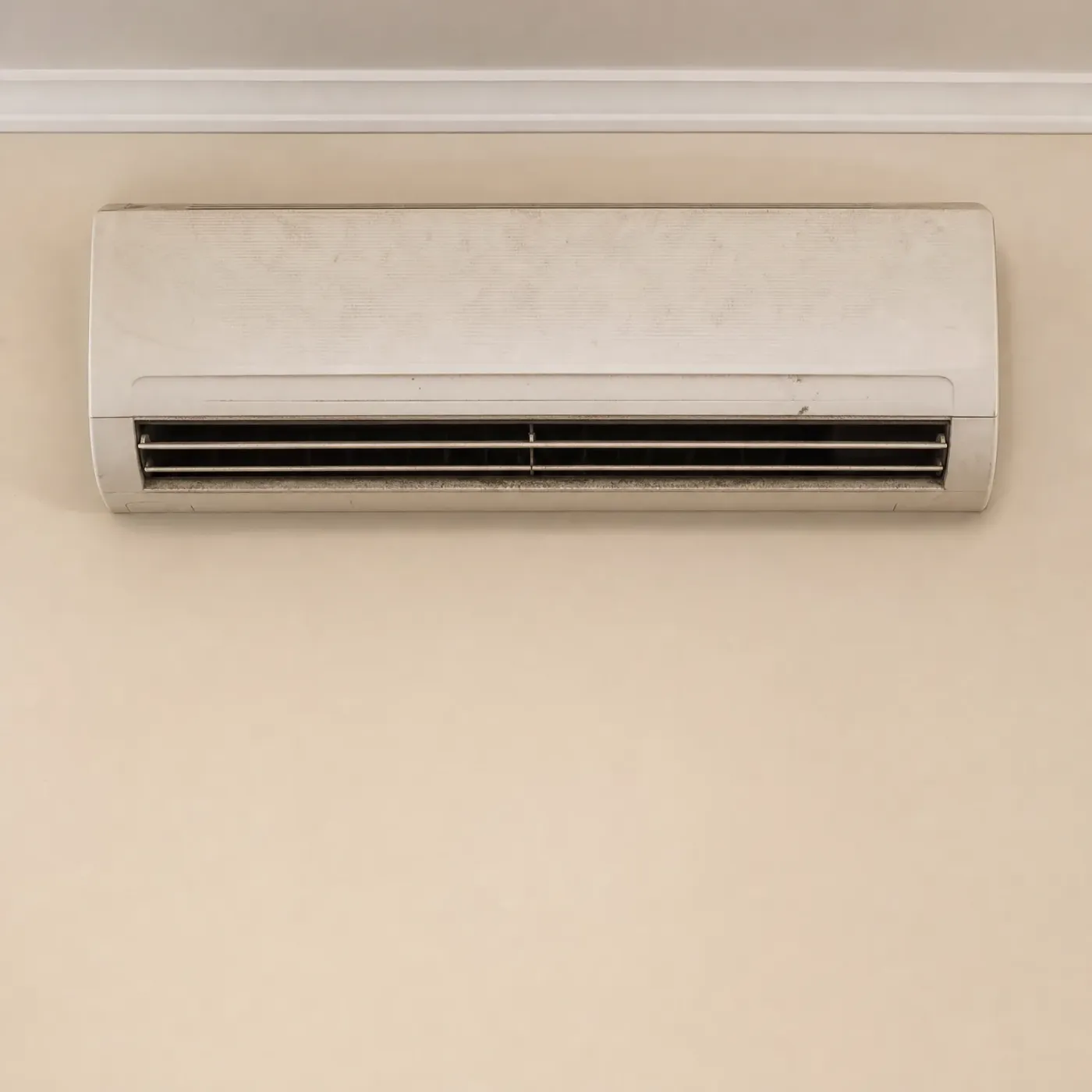
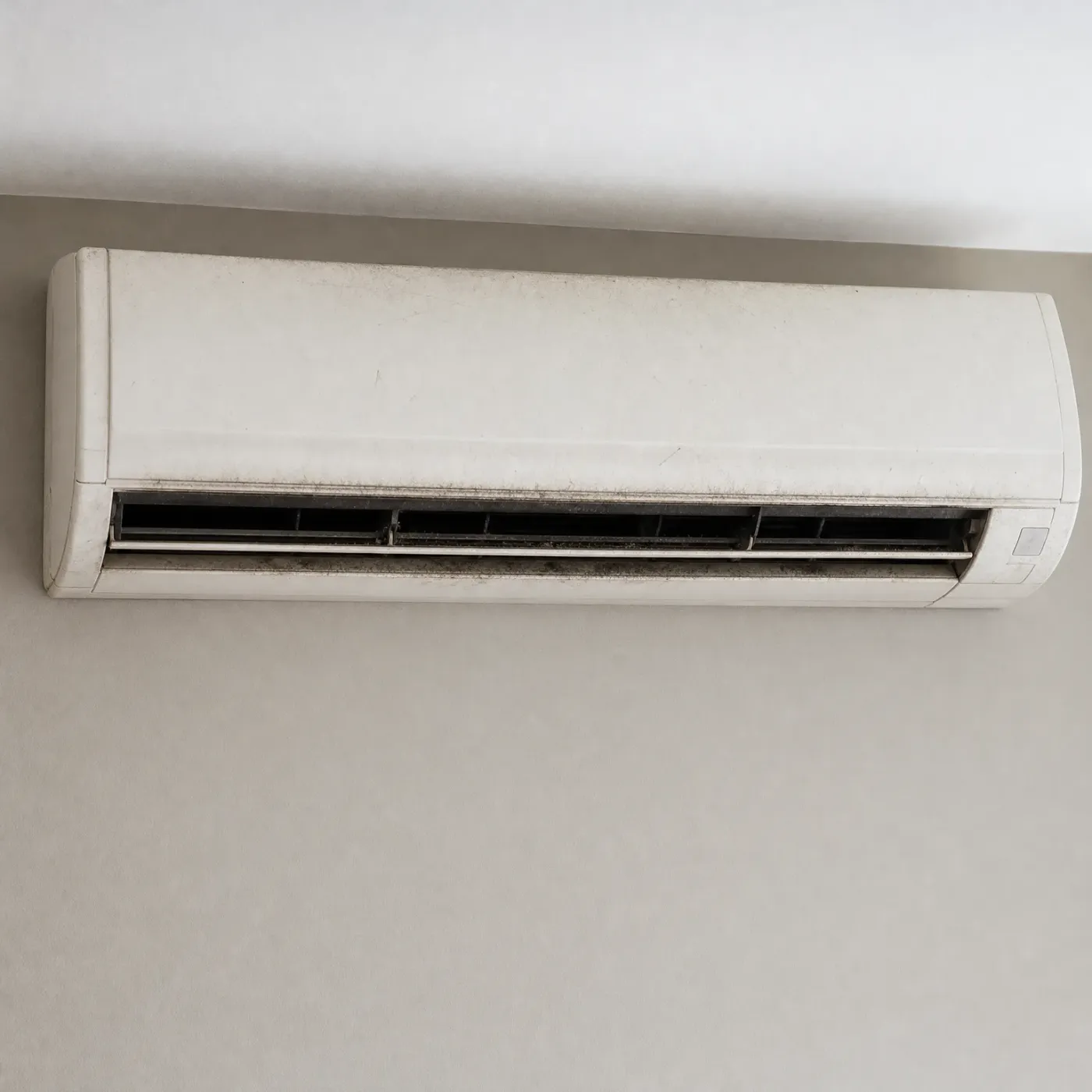
Walk into the room on a sticky August afternoon and check how it feels. If the air blows cold but the room still feels damp, or the unit runs almost nonstop and never really shuts off, it's working harder than it should. Listen for short bursts too, on for a few minutes, off, then on again, which wears the compressor down faster than a unit that runs a steady cycle. Look at the wall around the indoor head. Dust and grime building up there often means it's been straining since installation. None of this is something you caused. It's a sign the unit was sized off a guess instead of a room by room load calculation, and left alone, it means higher bills every summer and a system that wears out before it should.


The size question has one real answer: what the room needs, figured room by room, not pulled off a chart. Square footage alone can't account for a vaulted ceiling, a run of west-facing windows, or how a sunroom holds heat differently than the living room next to it. A load calculation can, and that's what separates a mini split that keeps up in August from one that just keeps running.
Getting there takes a contractor who's done this in Michigan homes before, not just once but every summer. Someone who's seen what a wall of west glass does to a load, who knows a vaulted ceiling changes the math, who's walked into enough rooms with units caked in dust around the vents to know what that means before you tell them. That's the kind of eye a load calculation needs behind it.
Submitting the form puts you in touch with one contractor, licensed and local, not a handful of companies competing for the job and your phone number. That contractor sizes the unit to the room, installs it, and the difference shows up fast. The unit cycles on, pulls the humidity down, and shuts off, instead of grinding through a sticky afternoon trying to catch up. At 20 cents a kilowatt-hour, that difference keeps showing up on the bill every summer after, not just on install day.
The work is done once the sizing is right and the install matches it. From there, the room either feels right or it doesn't, and now you know which one to expect.
Finding a pro stops being your job