
Ductless Michigan

Should a mini split run all winter in Michigan

Step 1 of 3: Equipment

A mini split can run all winter in Michigan, and most people leave them on through the cold months. The question is whether it's still heating the house once temperatures drop into the teens and below. Most mini splits lose capacity as outdoor air gets colder, and below a certain point the unit has to work harder for less heat, sometimes running an internal defrost cycle that blows cold air for a few minutes while it clears ice off the outdoor coil. That's normal. It's also why most homes here heat with gas, with the mini split handling the mild stretches of fall and spring and taking some of the load off the furnace in deep winter rather than replacing it. Letting it run all winter doesn't hurt the system. What matters is knowing when it's still pulling its weight and when the furnace should be doing the work instead.

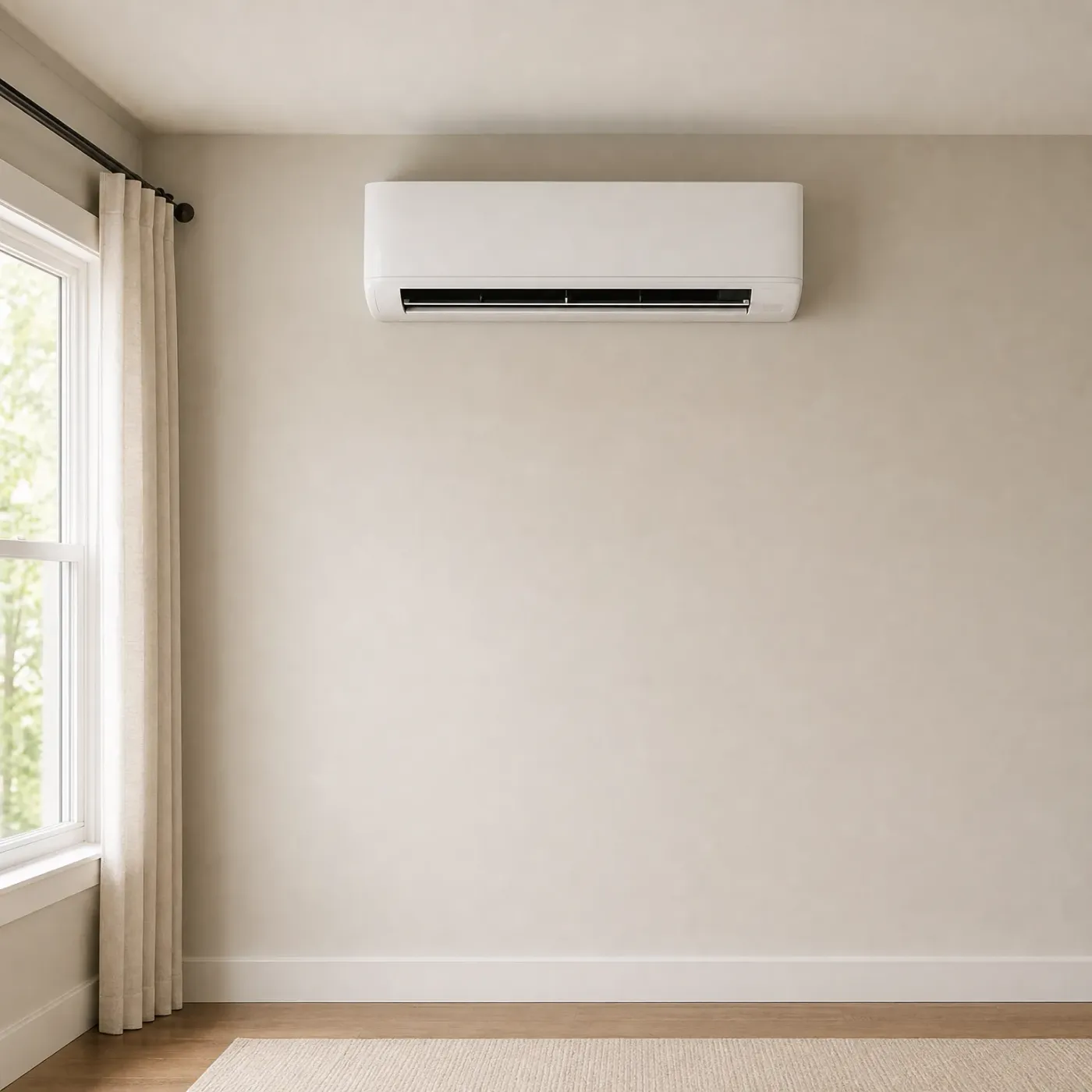
A white wall-mounted mini-split air conditioner on a beige interior wall, with a cream curtain and window at left, a potted plant on a ledge at right, and a wood floor below.

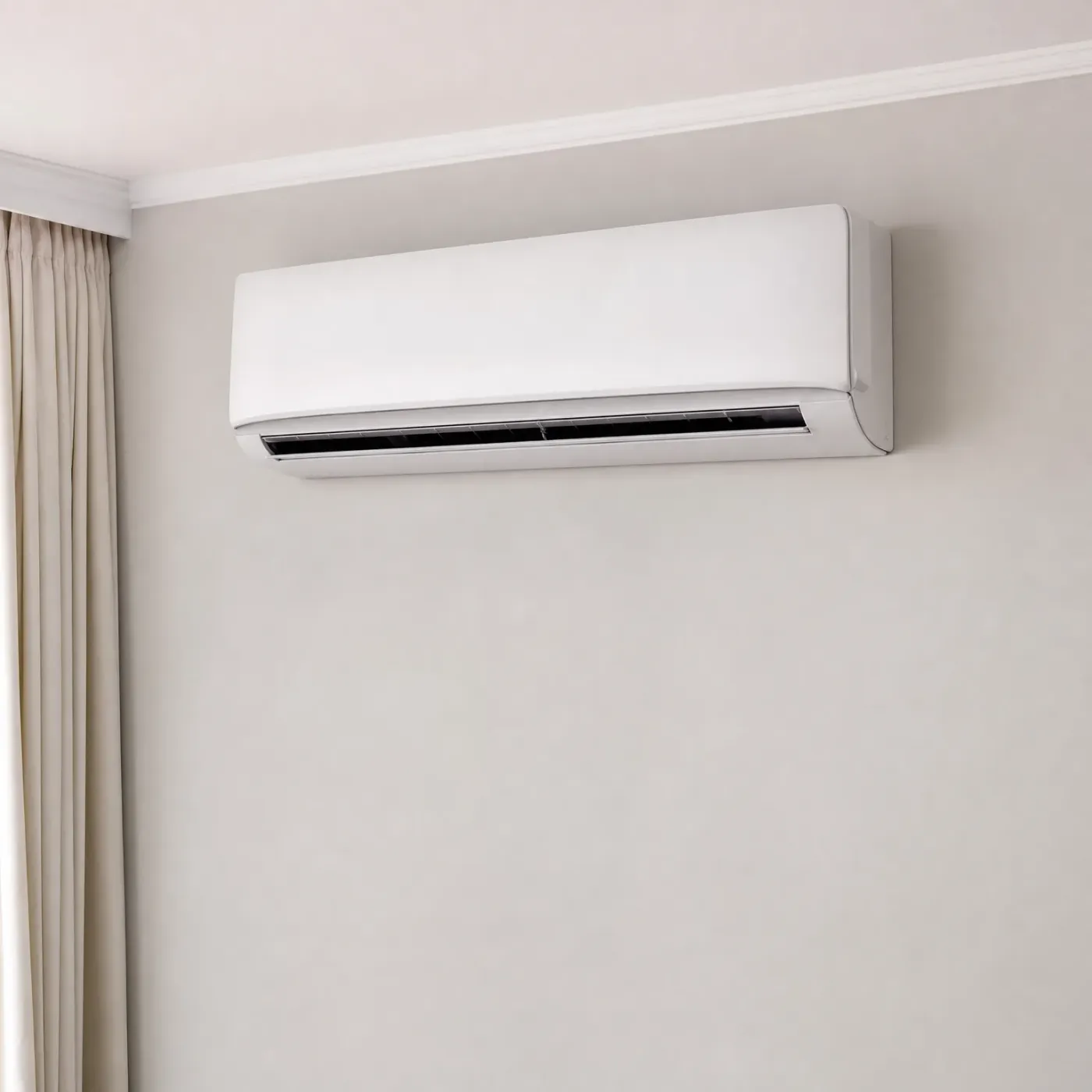
Running clean through winter

A mini split that gets cleaned keeps its coil and filters clear, so it can pull what heat there is from the cold air outside. The fan moves that heat into the room without fighting through dust. It cycles the way it's supposed to, even on the coldest days.
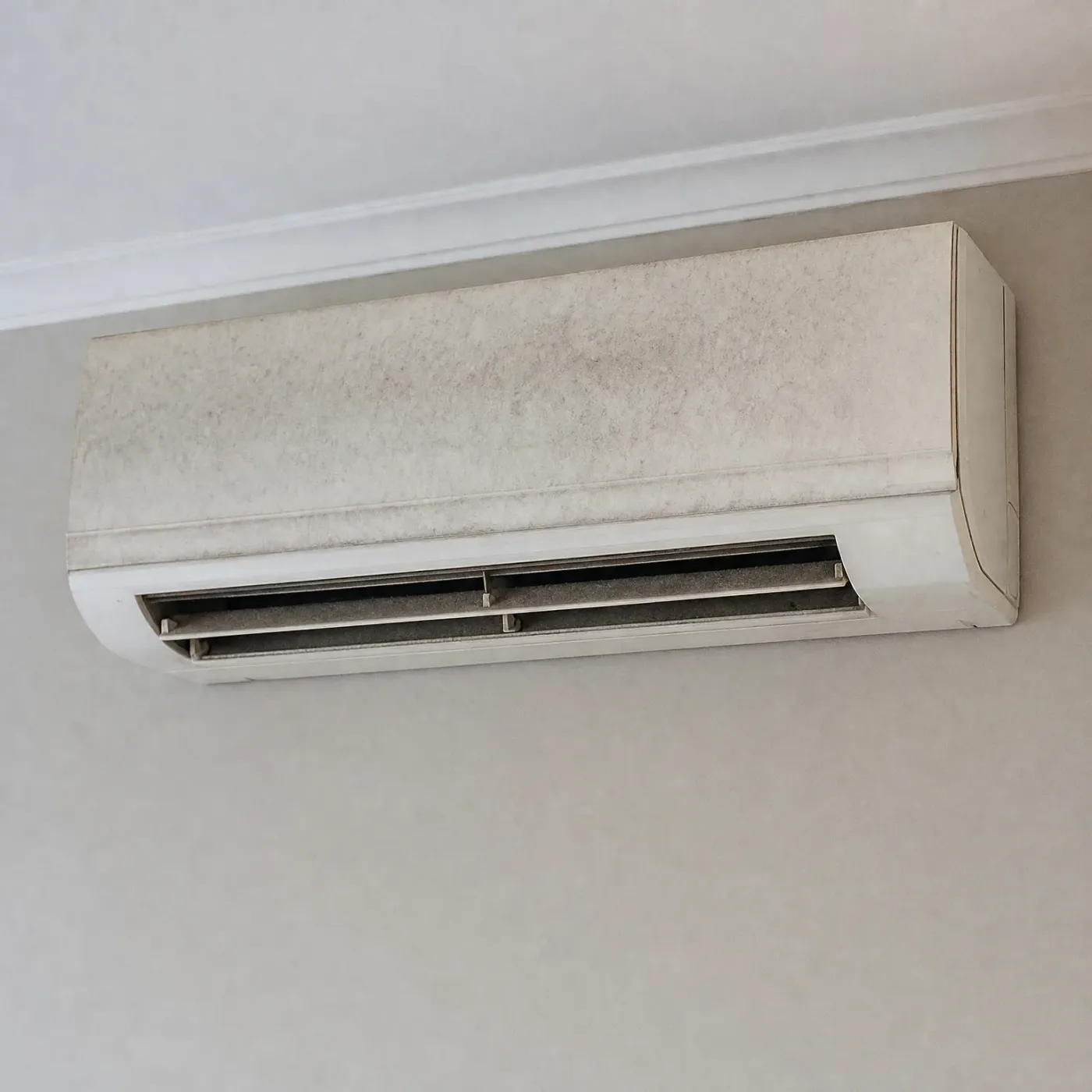

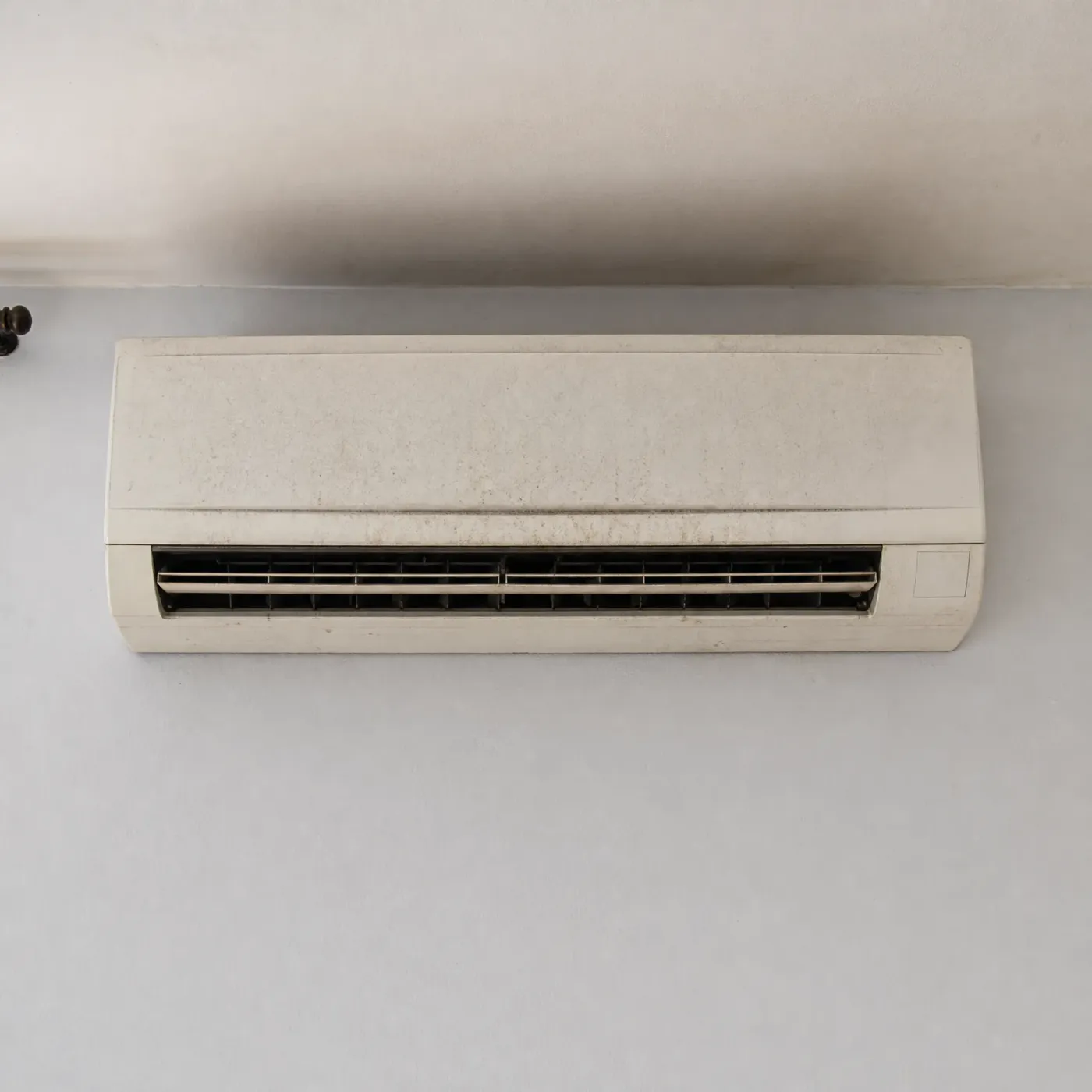
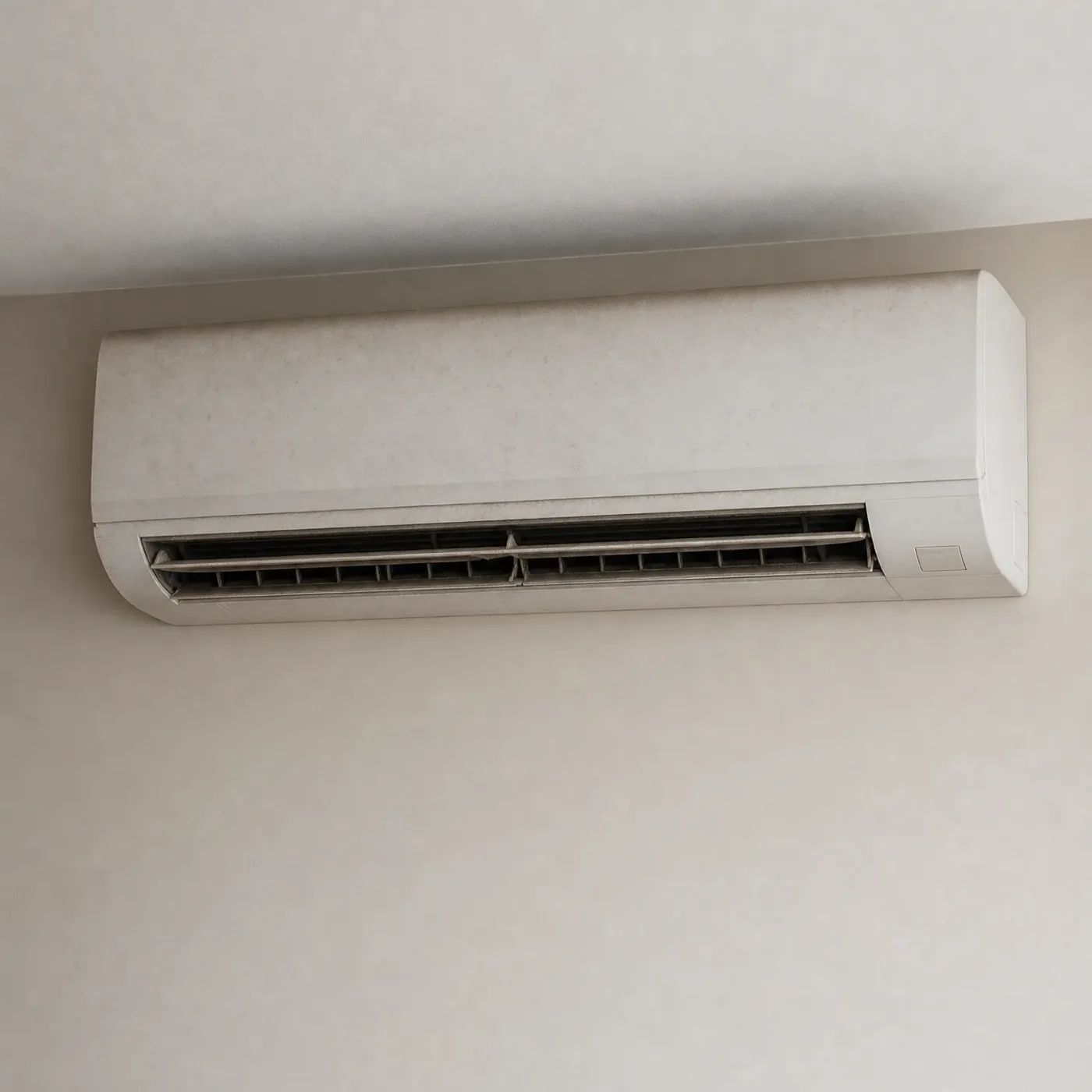
A dusty, discolored white wall-mounted mini-split air conditioner unit installed high on a plain interior wall below a white ceiling molding.

Running dirty through winter

Dust on the coil like this blocks heat transfer, so the unit works harder for less warmth. The fan has to push against buildup on the vents. Below freezing, a mini split in this shape struggles to keep up, and the gas furnace backing it up picks up more of the load.

Mini Split Alone or Paired With the Furnace

Mini split alone

  • Below a certain outdoor temperature, most mini splits can't pull enough heat from the air to keep up with the house.
  • The furnace still has to carry the load on the coldest days, so the mini split isn't replacing it.
  • A mini split run nonstop on the coldest nights draws more power to make less heat, and electricity here isn't cheap.
  • A dirty coil or filter makes the drop in capacity worse, since the unit is already working harder than it does in summer.
  • Letting it run through a stretch of single-digit nights without a check means a struggling unit goes unnoticed until the bill arrives.

Mini split plus furnace

  • Most homes in Michigan already heat with gas, so the furnace is there to take over when it turns bitter cold.
  • Switching to the furnace on the coldest days means the mini split isn't trying to make heat it physically can't produce.
  • The mini split can still carry the milder days and shoulder months, when it doesn't have to work as hard.
  • Splitting the load between the two keeps either system from running flat out for the whole winter.
  • A contractor who services both knows the outdoor temperature where your specific mini split starts losing ground.
  1. Outdoor air passes over the coil, where refrigerant pulls heat from it.

  2. Refrigerant carries that heat inside, even when the air outside feels cold.

  3. The indoor coil releases the heat, and the fan pushes it into the room.

  4. As outdoor temperature drops, the system pulls less heat per cycle.

A dusty beige wall-mounted mini-split air conditioner indoor unit installed high on a plain light-colored wall below the ceiling.
Before you get your mini split maintenance
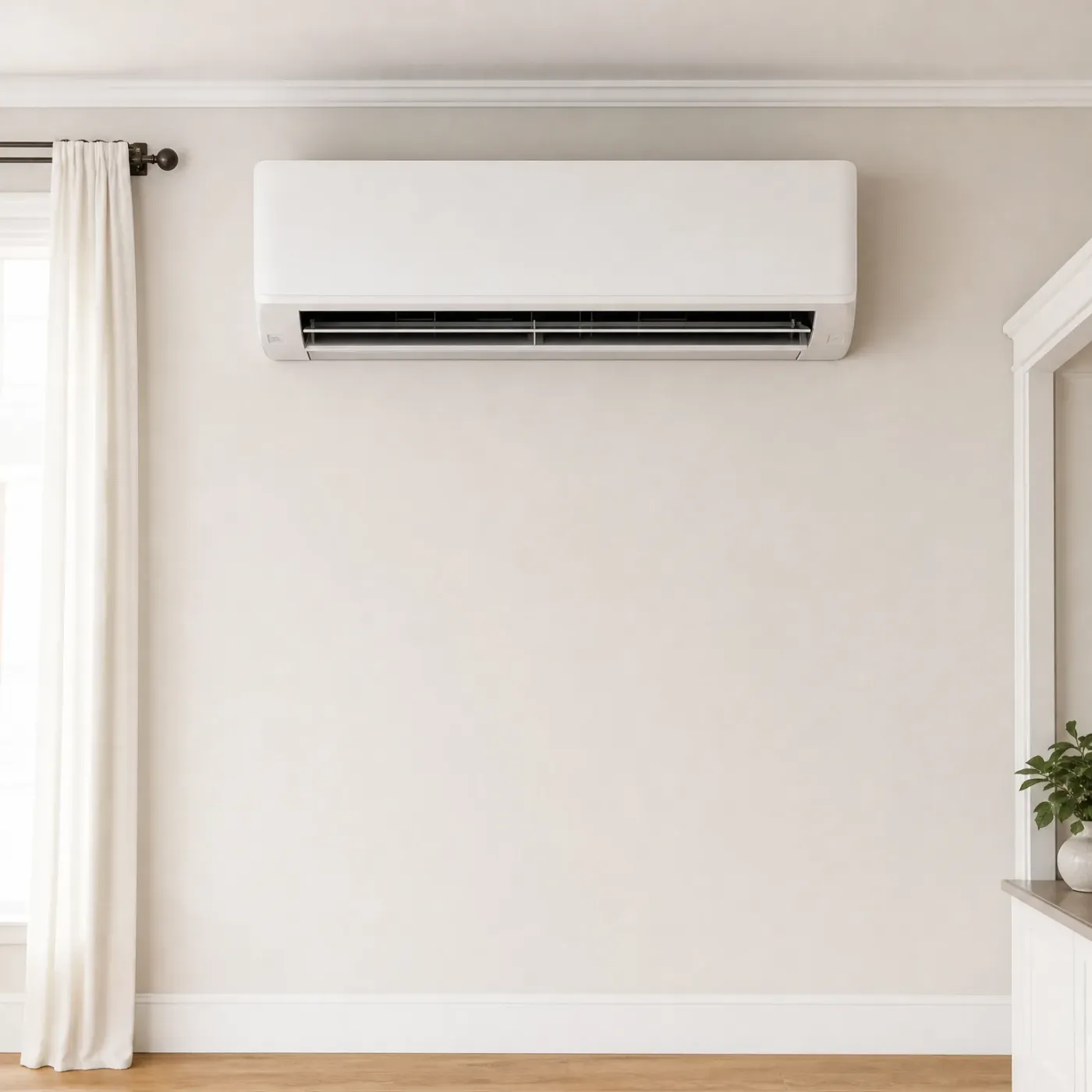
A white wall-mounted mini-split air conditioner near the ceiling of a room with light gray walls, white crown molding, and a beige curtain at the left edge.
After you get your mini split maintenance

Capacity drops as the air gets colder

A mini split draws less heat out of the air the colder it gets outside. On Michigan's coldest days, the gas furnace is what keeps the house warm.

Find a licensed pro

A clogged coil loses heat it could otherwise use

Dust and ice on the outdoor coil block the heat the system needs most on cold days. Keeping it clear matters more as winter goes on.

Find a licensed pro
A woman in a cream cardigan and jeans stands with one hand raised facing an open front door of a gray horizontal-siding house, with a black lantern wall light, a potted shrub with yellow flowers, and a stone-faced porch column.

What this looks like in your house

You'll notice it at the thermostat before anywhere else. The mini split keeps running, but the room by the head unit stays a few degrees cooler than it used to, and the furnace kicks on more to make up the difference. If the filters and coil are still dirty from summer, that gap shows up sooner and the gas furnace ends up carrying more of the house than it should, which shows up on the bill since power costs more here than gas.

A mini split that's never been serviced doesn't fail outright in winter. It just does less, quietly, while the furnace picks up the slack without you noticing why. A local contractor who works on these systems every season can tell you from a look at the coil and the line set whether yours is pulling its weight or just running. If you'd rather have someone check it before the cold sets in further, the page can connect you with one who services your specific setup.

A living room corner with a light beige sofa holding a textured taupe cushion, a large ceramic vase of olive branches by a window, a framed neutral artwork on the wall, and a dark bowl with stacked books in the foreground.
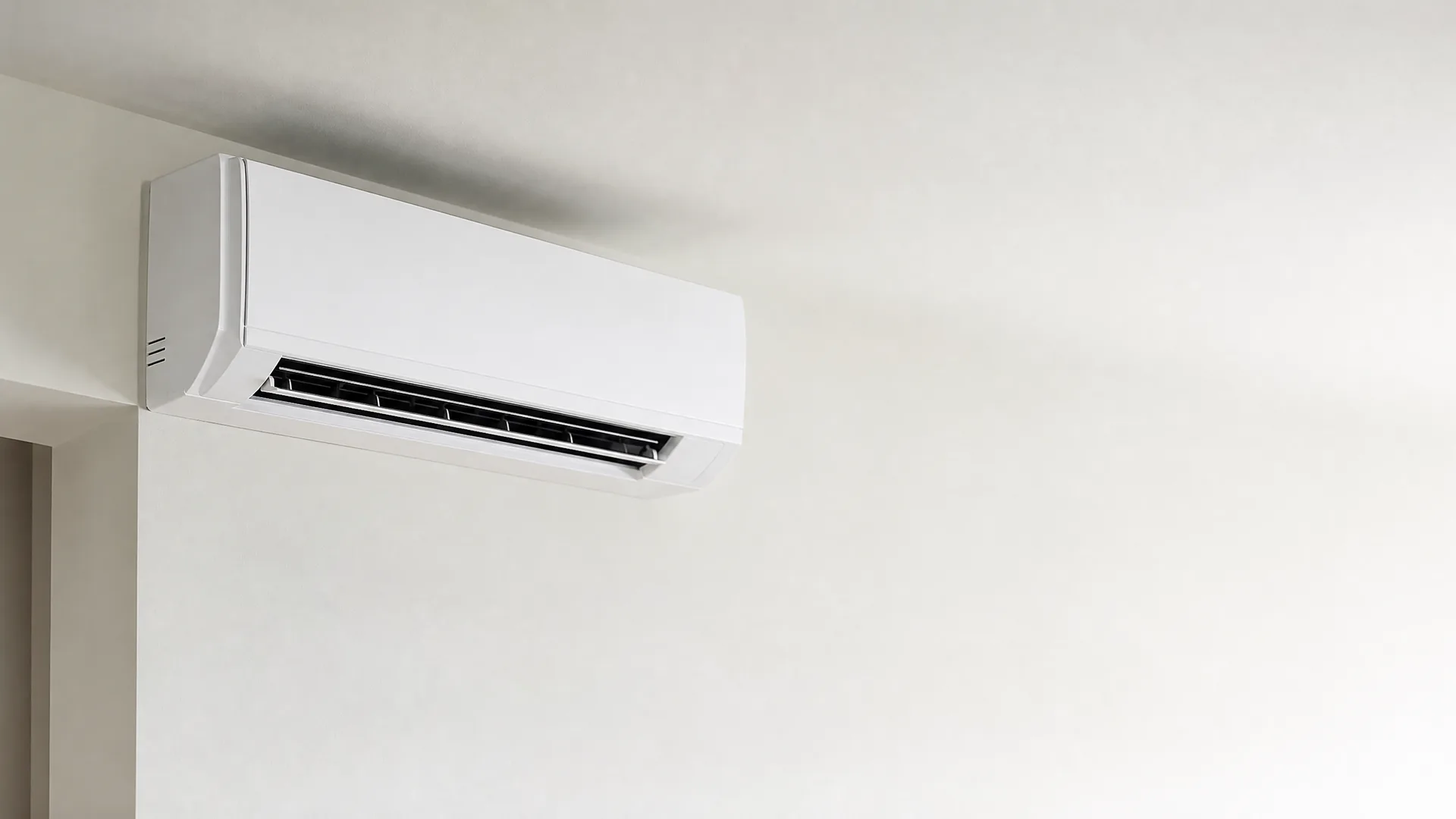
A white wall-mounted mini-split air conditioner unit near the ceiling on a plain light-colored interior wall with open space to the right.

Running it alongside the furnace

Most houses here already have a gas furnace doing the heavy lifting in January. Let the mini split handle the milder days, fall and spring and the stretches in between, and let the furnace take over once it gets into the teens and below. You get even heat in the room with the head unit without asking the mini split to do a job it was never built for in Michigan cold.

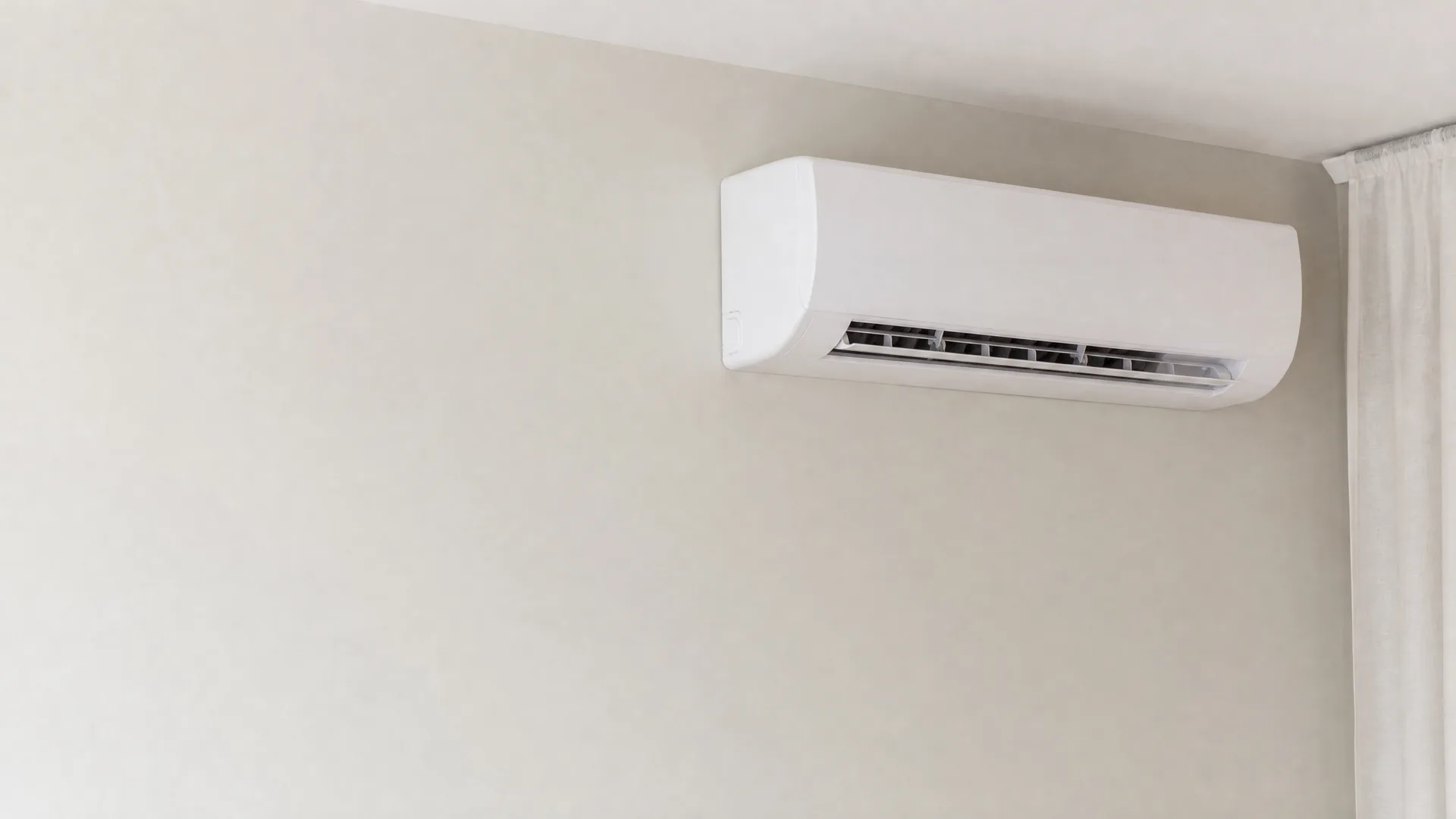
A white wall-mounted mini-split air conditioner unit installed near the ceiling on a plain beige interior wall, with a light curtain at the right edge.

Running it as the only heat

Some rooms, additions and garages don't have a furnace vent at all, so the mini split is what's there. That works fine until the outdoor temperature drops far enough that the unit can't pull much heat out of the air anymore. On those days the room runs cold unless there's a space heater or some other backup to lean on.

Why does your mini split feel weaker on the coldest days

You'll notice the air coming out of the head unit isn't as warm as it was in November. The room takes longer to come up to temperature, or it never quite gets there, and you can hear the unit running more without much to show for it. Check the outdoor unit too. If the coil is caked with ice or the fins are packed with dust and debris, it's pulling even less heat out of the cold air than it should. Left that way, you're paying for electricity the unit can't turn into heat, and the furnace ends up carrying a bigger share of the house than it needs to on a system that's working right.

A gray-haired bearded man in a dark coat and scarf dusted with snow stands smiling in a dimly lit entryway with a white front door, a side table with a lit lamp, an oval mirror, and a patterned rug.
An older bearded man in a dark snow-dusted coat and gray scarf stands just inside a dimly lit home entry, with a framed picture, lit table lamp, and an adjoining room with a fireplace behind him, and snow visible through the open door.
A gray-haired, bearded man in a dark snow-dusted coat stands smiling in a dimly lit entry hall with a staircase, a lit table lamp, a framed picture, and a living room visible through a doorway.
An older man with gray hair and a beard, wearing a dark jacket dusted with snow, stands smiling in a dimly lit hallway with lamps and a living room visible behind him.

The right pro for this job

The pro who reaches out is licensed in Michigan.

No fee to send it, and nothing to sign.

Running it without upkeep

A mini split that hasn't been cleaned in a while still turns on and still blows air. What it can't do as well is pull heat out of cold outdoor air with a coil that's coated in dust or a filter that's choked. The compressor runs longer to get the same result, or it never quite gets there and the furnace picks up more of the load than it should. You won't see any of this from the outside. The unit sounds the same. The difference shows up as a colder room near the head unit and a furnace that's working harder through January and February than it needs to.

What a seasonal check catches early

A contractor who services mini splits through a Michigan winter knows which parts give out first in the cold, a coil that's lost its airflow, a condensate line that's frozen shut, a sensor reading wrong. Catching that before the coldest week means the mini split keeps pulling its share of the heat instead of handing all of it to the furnace. One local contractor, matched to your system, is in a better position to know what your unit needs than a handful of companies guessing over the phone. That's the difference between a mini split that helps through winter and one that's just running.

Power costs 20.03 cents per kilowatt-hour statewide

At 20.03 cents per kilowatt-hour, every extra hour your mini split spends straining in the cold costs more here than in most states. A unit that's clean pulls heat with less work and less run time. One that's choked on dust just keeps drawing power without keeping up.

EIA-861 2025 statewide residential average

A woman wrapped in a thick beige fleece blanket sits on a sofa with an open book on her lap, beside a lit table lamp, with a frost-covered window behind her.
A gray-haired woman in a cream knit sweater stands in a dimly lit kitchen at night, looking to her right, with a round loaf of bread in the foreground and a dark window and potted plant behind her.
A two-story gray horizontal-siding house with multiple gables, a covered front porch with white columns and railing, and a dark front door, fronted by a patchy green and brown lawn under a clear blue sky.

Michigan summers run humid, with the air averaging a dew point of 60°F across June, July and August, according to NOAA climate data. That's the kind of sticky that makes your mini split's cooling side work for its keep, pulling moisture out of the air as much as cooling it. A unit with a clean coil and clear filters handles that load and still dries the room out. One that's dusty or low on charge struggles with the humidity even if the temperature on the thermostat looks fine, and you'll notice the room feels damp and heavy instead of just cool.

NASA POWER T2MDEW county cells weighted by homes

A white wall-mounted mini-split air conditioner on a beige interior wall, with a curtained window on the left and wood flooring with a light rug below.
A mini split that's kept clean can still carry mild days on its own, cutting into what the furnace would otherwise burn.
A white wall-mounted mini-split air conditioner indoor unit installed near the ceiling on a plain light-colored wall, with its horizontal outlet vent and louvers visible.
A mini split caked in dust loses its grip on cold air first, so the furnace ends up covering ground it didn't used to.

Where your mini split stands this winter

  • A mini split can run all winter in Michigan, but below a certain outdoor temperature the furnace is what keeps the house warm.
  • A clean coil and clear filter let the mini split pull what heat it can from cold air instead of straining for it.
  • At 20.03 cents per kilowatt-hour, a unit that's choked on dust costs more to run without heating any better.
  • The mini split and furnace work as a pair here, one covering the mild days and the other covering the cold ones.
  • A local contractor who services these units every winter knows which parts tend to fail first in Michigan's cold.
  • Matching with one licensed contractor near you means a single point of contact instead of several companies calling.

Yes, it can run all winter, and most people leave it on. What changes is how much of the work it's actually doing once the temperature drops. On the mild days, a clean one can carry the room by itself. On the cold ones, the furnace takes over, and that's normal, not a sign anything's wrong. What decides how much the mini split contributes in between is whether the coil and filter are clear enough to let it work without straining. A unit that's been cleaned pulls what heat it can out of cold air and shuts off when it's done. One that's caked in dust keeps running and keeps drawing power, at 20.03 cents per kilowatt-hour, without heating the room any better for it. That's the difference maintenance makes here. It doesn't change what the machine can do in January. It changes whether the machine is working with you or against itself. Finding someone to do that work is its own small decision, and it's easier when it's one person. A contractor who's local and licensed, who services mini splits every winter in this cold, has already seen which parts tend to go first and what a unit here needs to get through the season. Getting matched with one means one call, one visit, one person who knows the equipment, instead of fielding several companies all trying to get in your door at once.

A wooden front door with six small glass panes and a narrow sidelight, set in a shingled house entry with white trim, reached by stone steps flanked by a planted urn with purple flowers and leafy branches in the foreground.
Exterior corner of a house with beige horizontal lap siding and a black-framed window, with white hydrangeas, ornamental grasses and low plantings along a flagstone patio.
Corner of a house with tan lap siding and a window, a brick step edge, flowering white hydrangeas and green shrubs beside a flagstone walkway leading to a white picket fence and a tree in backlit sunlight.
House exterior with cream horizontal lap siding, a dark-framed window, a black wall lantern beside a wood door, potted shrubs on stone steps, and white and pink hydrangeas in the foreground garden.
Corner of a cream lap-sided house with a white-framed window and dark shingled roof, beside a white-flowering hydrangea shrub, a clipped hedge, mulched bed and lawn.

Matched to your mini split job

Only one pro gets your request, so you hear from one company.

Get a licensed local pro

Sending the form costs nothing.