Tell us about the job
Takes about a minute. No obligation.
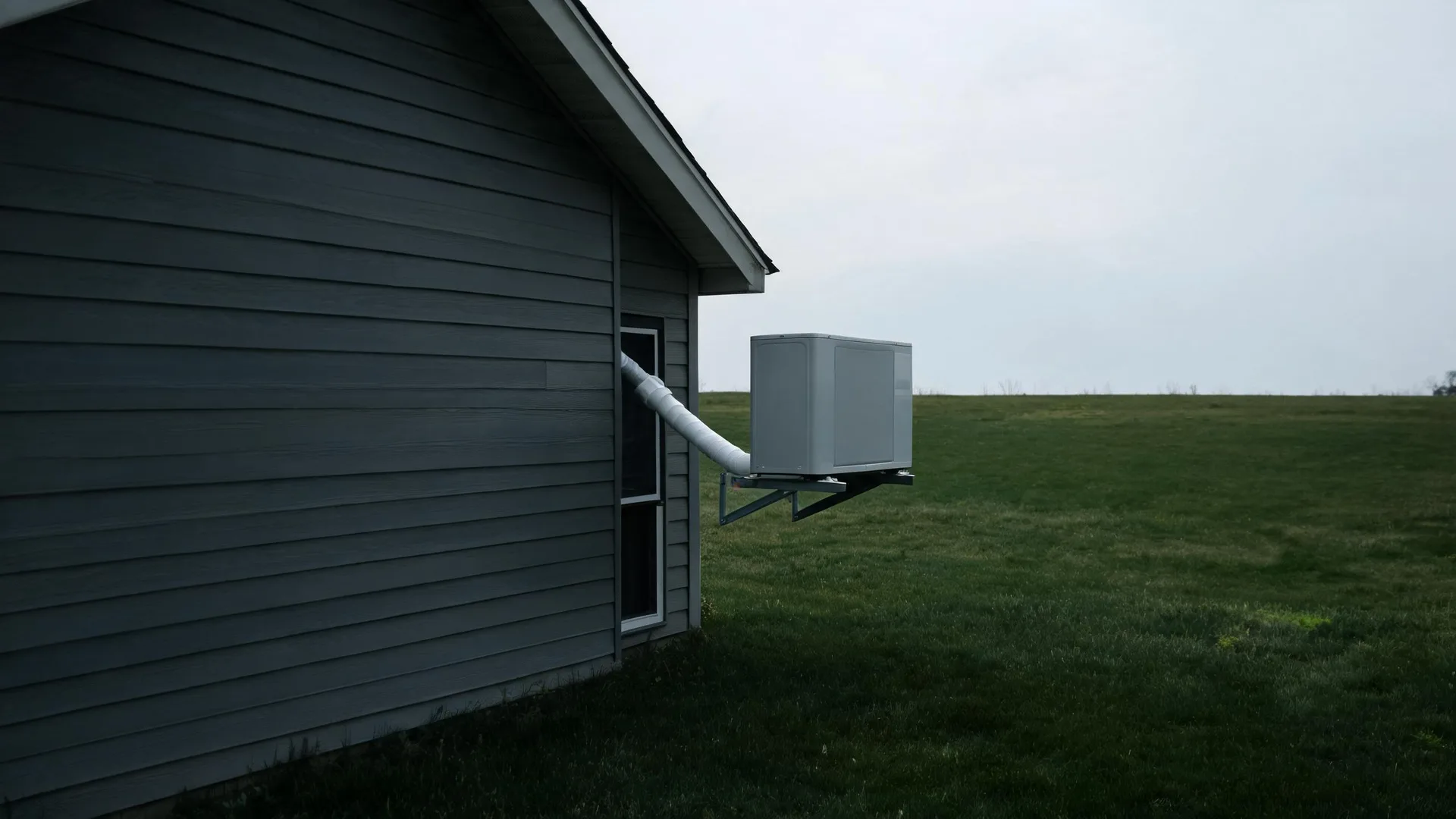
A contractor quoting a mini-split install in Barry County has to work out what the house actually needs, and the area's weather history is one real input to that. 36 severe weather events were recorded in Barry County, Michigan between 2015 and 2024. At that rate, severe weather is a periodic fact of life here rather than a constant pressure, which means the sizing decisions a contractor makes carry more weight than the weather record alone. A unit installed to the right capacity for the home's envelope, with refrigerant lines run and sealed correctly, will hold up through what this county throws at it. The weather is not irrelevant, but a poor install will underperform here long before the climate punishes it.
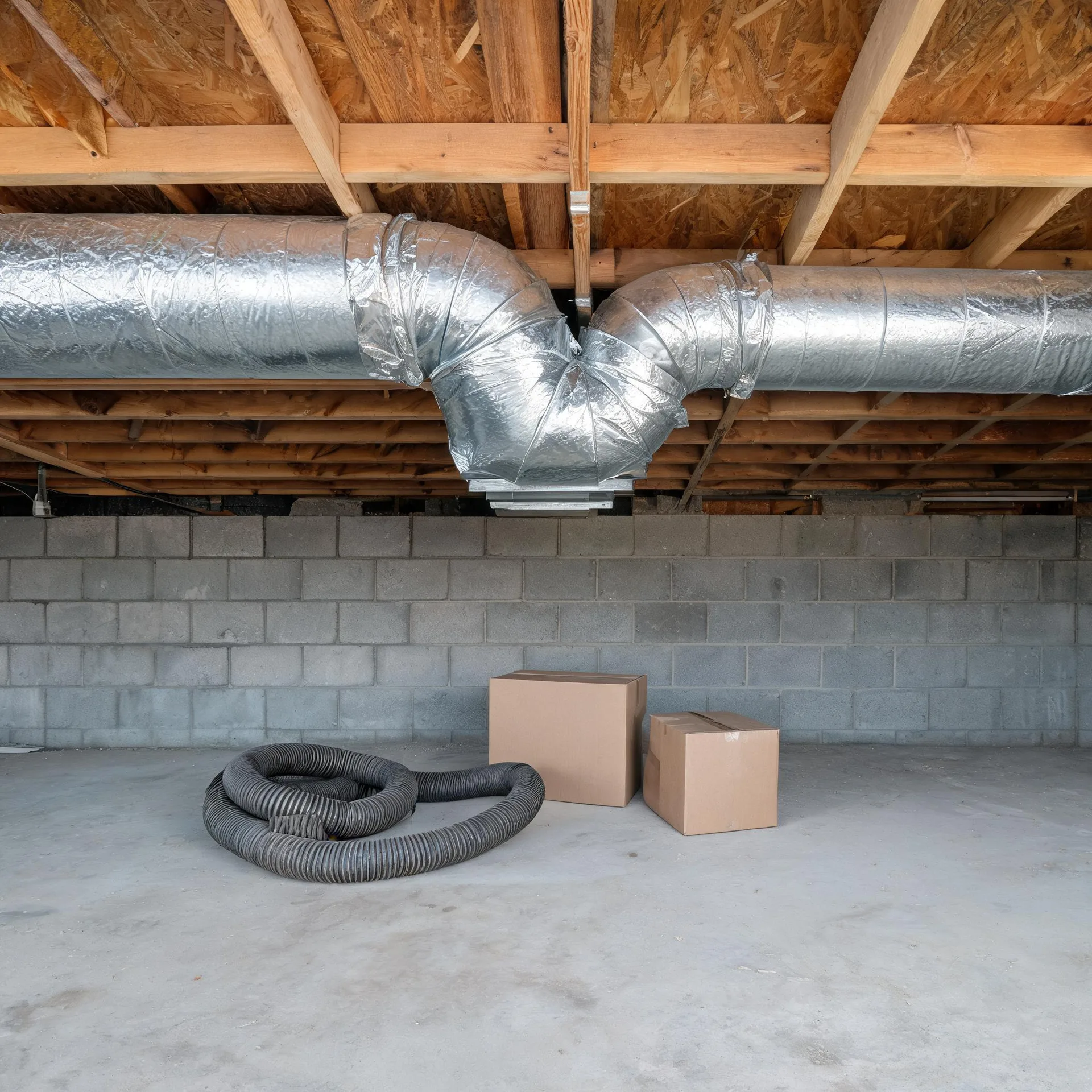
Wiring sized for older appliances and heating systems is what a contractor finds behind the walls of a large share of Barry County's housing stock. Half the homes in Barry County, Michigan were built in 1976 or earlier (2020-2024 ACS 5-year). A mini-split runs on a dedicated circuit, and whether the existing panel has room for one is a question the panel itself answers, not the equipment spec sheet. Houses built well before current load standards were written frequently carry service that was adequate then and undersized now, so the electrical assessment shapes the scope of the installation before any mounting or line-set work begins.
The Mini-split Parts a Contractor Works With During Installation
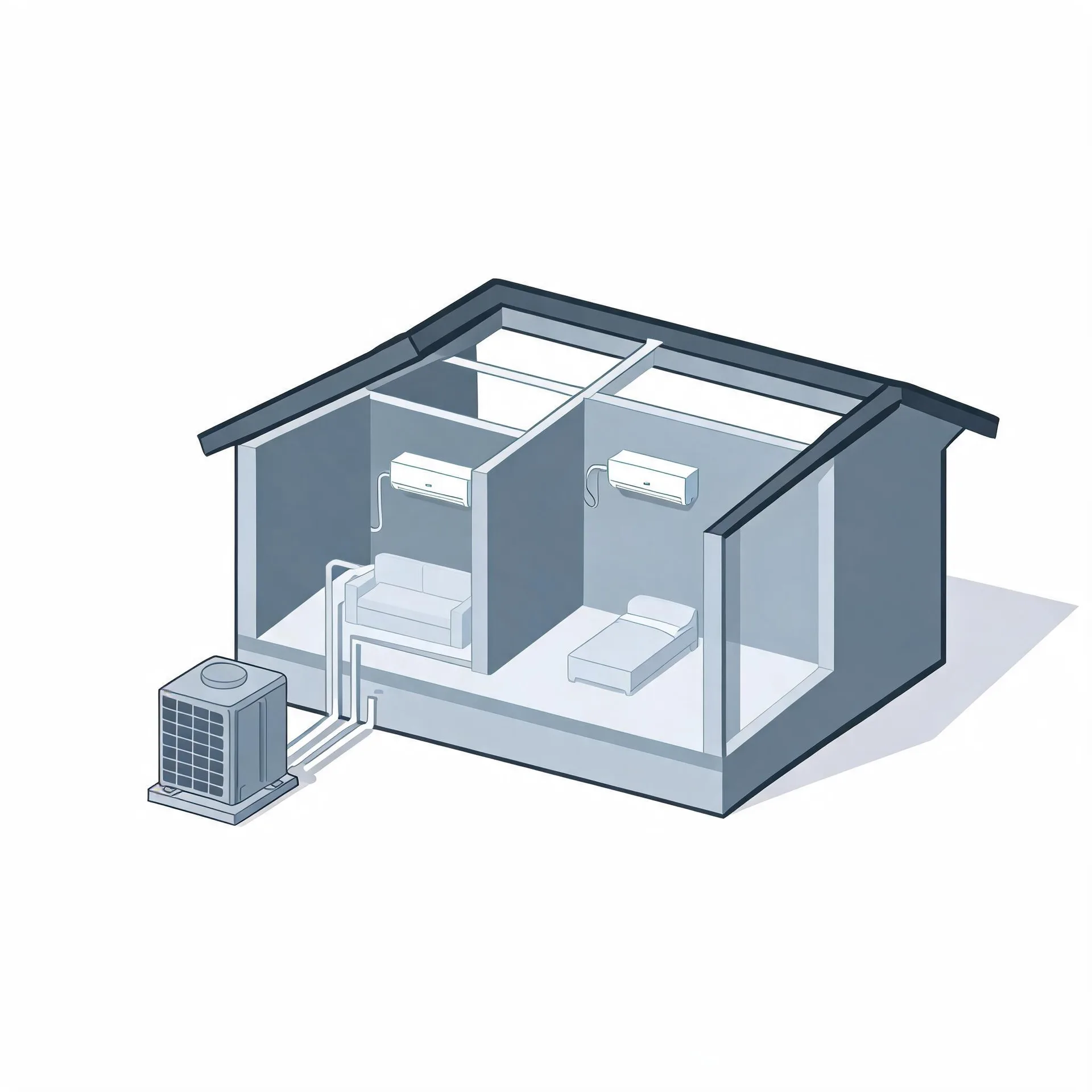
The indoor air handler mounts high on a wall inside the room being conditioned, and it is the piece most visible to anyone living in the house. The outdoor unit sits on the ground or on a bracket outside the home and houses the compressor and condenser coil. Together, these two units carry the full load of the system.
A refrigerant line set runs between the indoor and outdoor units through a small hole in the wall, carrying the working fluid that makes the exchange possible. A condensate drain line runs from the indoor unit to the outside, and a control wire ties the two units together so they communicate. Each of these lines travels through the wall or along a chase the contractor routes during the job.
The drawing shows a typical layout, and a licensed contractor determines exactly how each piece gets positioned and routed in your specific home.
Get matched in Barry CountyBarry County by the Numbers
36 severe weather events were recorded in Barry County, Michigan between 2015 and 2024.
NOAA National Centers for Environmental Information, Storm Events Database, bulk CSV export, events 2015-01-01 through 2024-12-31.Half the homes in Barry County, Michigan were built in 1976 or earlier (2020-2024 ACS 5-year).
U.S. Census Bureau, 2020-2024 American Community Survey 5-Year EstimatesBarry County, Michigan holds 27,780 housing units (2020-2024 ACS 5-year).
U.S. Census Bureau, 2020-2024 American Community Survey 5-Year EstimatesOwners occupy 87.3% of the occupied homes in Barry County, Michigan (2020-2024 ACS 5-year).
U.S. Census Bureau, 2020-2024 American Community Survey 5-Year EstimatesRules & Standards Governing Mini-Split Installation in Barry County, Michigan2 sourced rules and standards
Licensing Rules for Barry County, Michigan
Michigan issues the mechanical contractor’s licence by classification: HVAC equipment, ductwork, refrigeration, hydronic heating and cooling, and limited or unlimited heating and refrigeration service are each a separate classification a contractor has to hold.
Michigan requires a mechanical contractor’s licence: nobody may install, alter or service the regulated mechanical work unless they, or an employee, hold a licence from the department that has not been revoked or suspended.
Severe Weather Events in Barry County
Outdoor conditions drive how hard heating and cooling equipment works, and how often. A mini-split sized and installed for local weather load performs differently than one spec'd against a milder baseline, which makes the weather record here a practical reference for any installation decision.
36 severe weather events, 2015–2024. Source: NOAA National Centers for Environmental Information, Storm Events Database.