

Working the way it should
A cold-climate mini split holds its output even when the temperature drops below zero. The room gets warm air, not lukewarm air, and the unit cycles the way it's supposed to without straining to keep up.
Send the form and stop researching installers for the new mini split.
Hand off my installationYou already have the mini split, or you're deciding whether the cold-climate model is worth paying extra for. Michigan winters aren't gentle, and you've probably heard that heat pumps lose their nerve when it gets cold. You want to know if this one will actually carry the house through January, or if you're better off leaning on gas and treating the mini split as a summer unit.
A cold-climate mini split is built with a compressor that keeps producing heat well below zero, which ordinary heat pumps can't do. That matters here because Michigan winters sit in that range for weeks at a time. Most homes in the state heat with gas, so the mini split often runs alongside a furnace rather than replacing it, picking up the heating load on milder days and easing off when it's brutally cold. Where it earns its keep either way is summer, when the same unit handles the sticky stretch without you running a separate air conditioner. With electricity costing what it does in Michigan, getting both jobs out of one system is most of the case for paying for the cold-climate version.
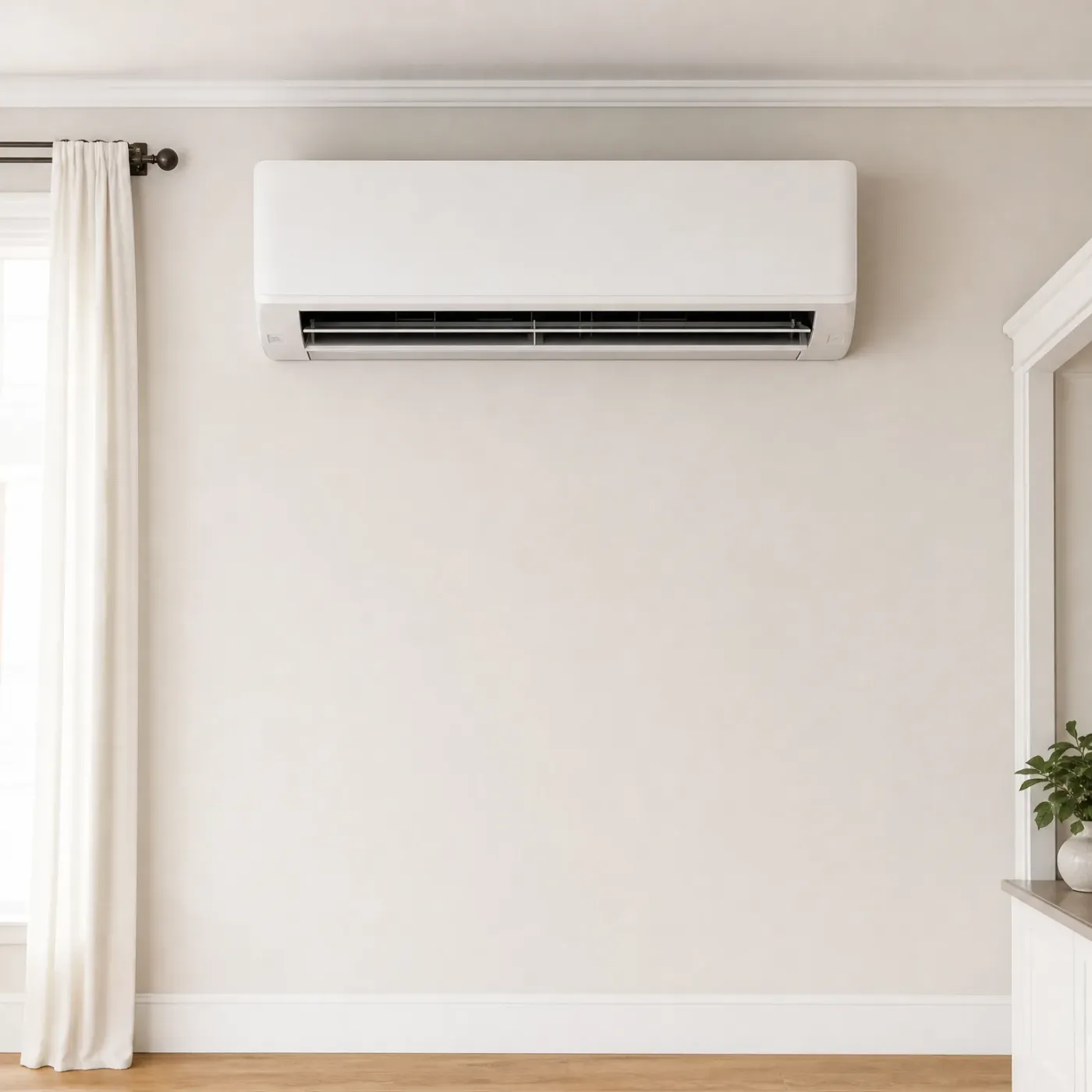
A cold-climate mini split holds its output even when the temperature drops below zero. The room gets warm air, not lukewarm air, and the unit cycles the way it's supposed to without straining to keep up.
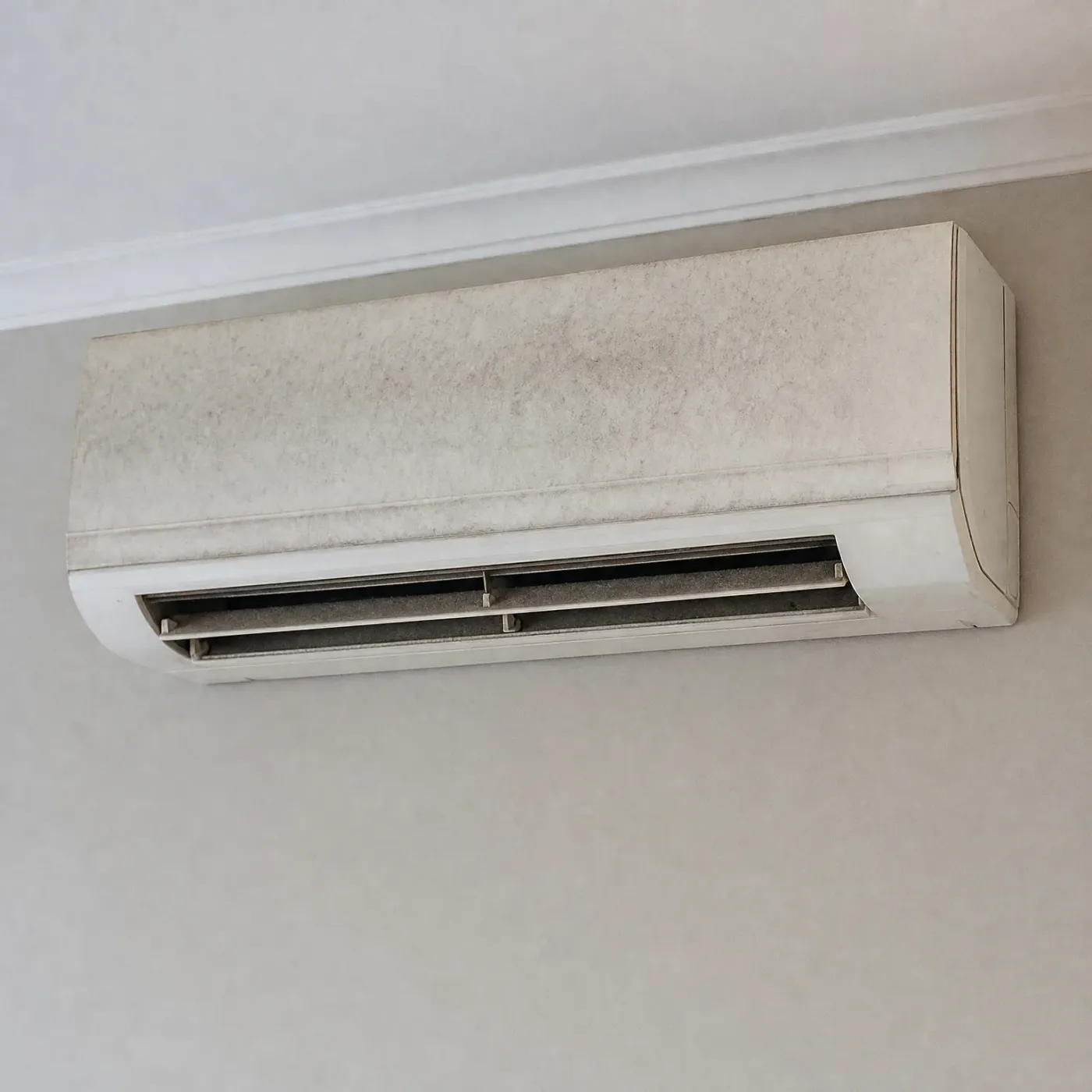
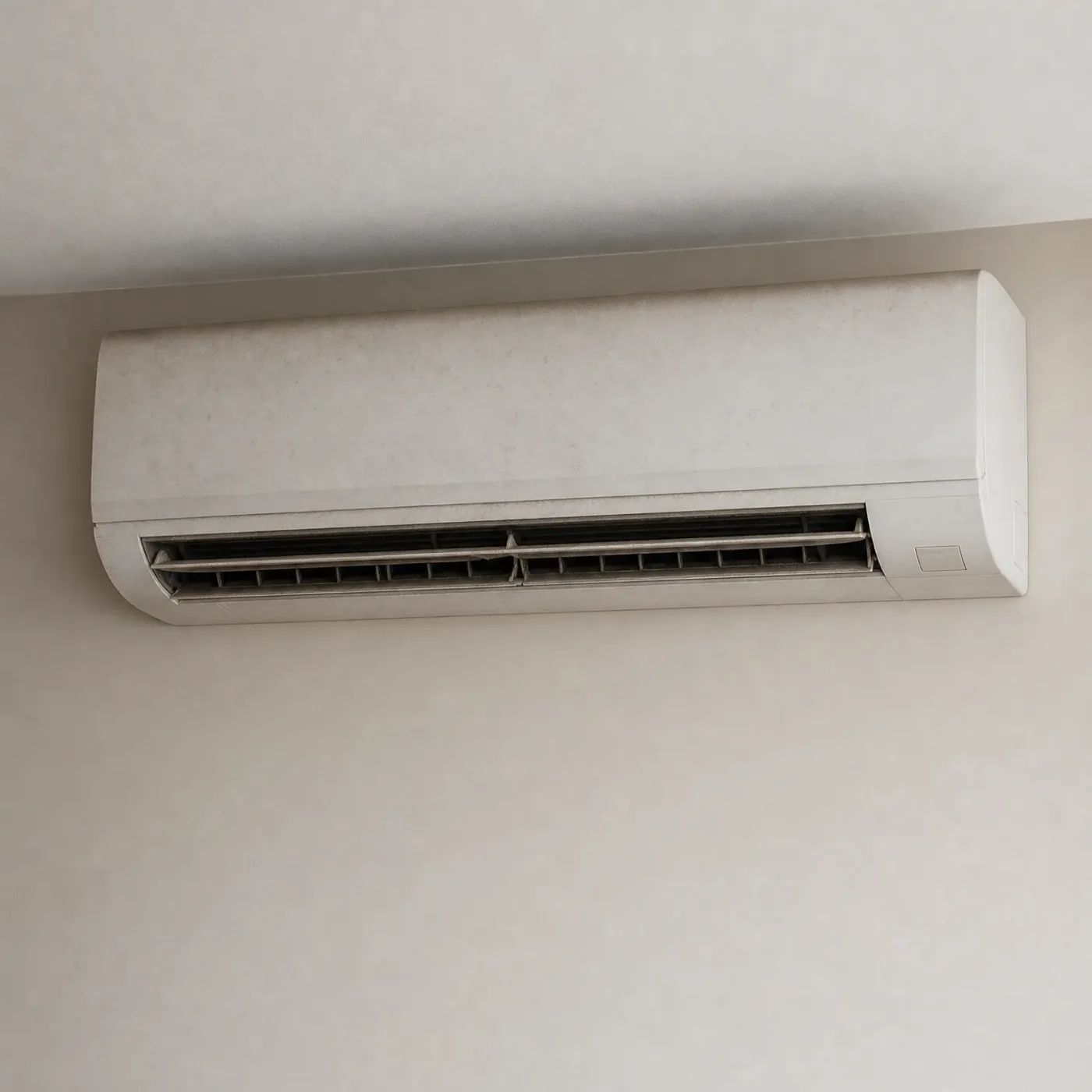
A coil caked in dust can't move heat the way a clean one does. The unit runs longer to produce less warmth or cooling, and that strain is what eventually brings on a repair call instead of routine upkeep.




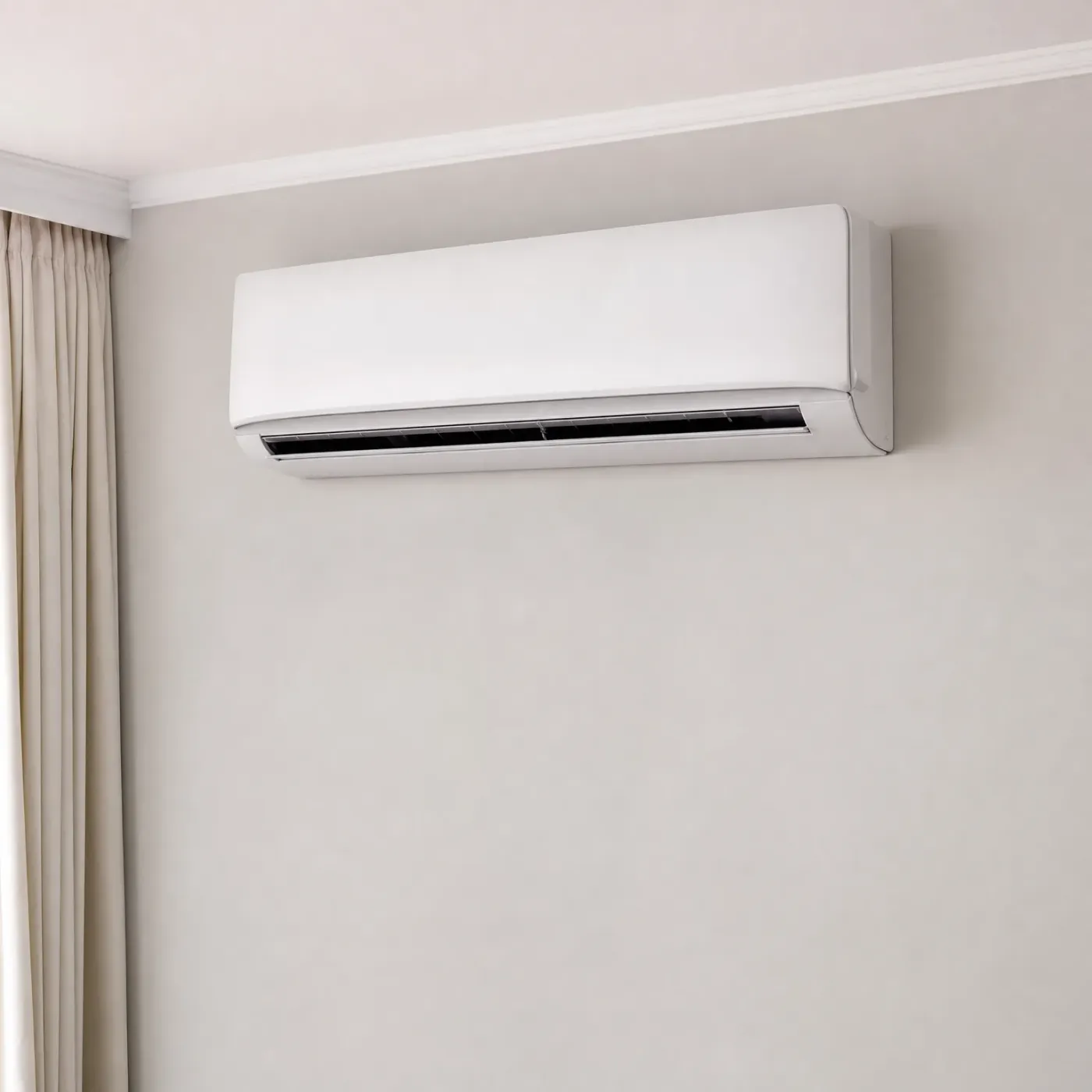
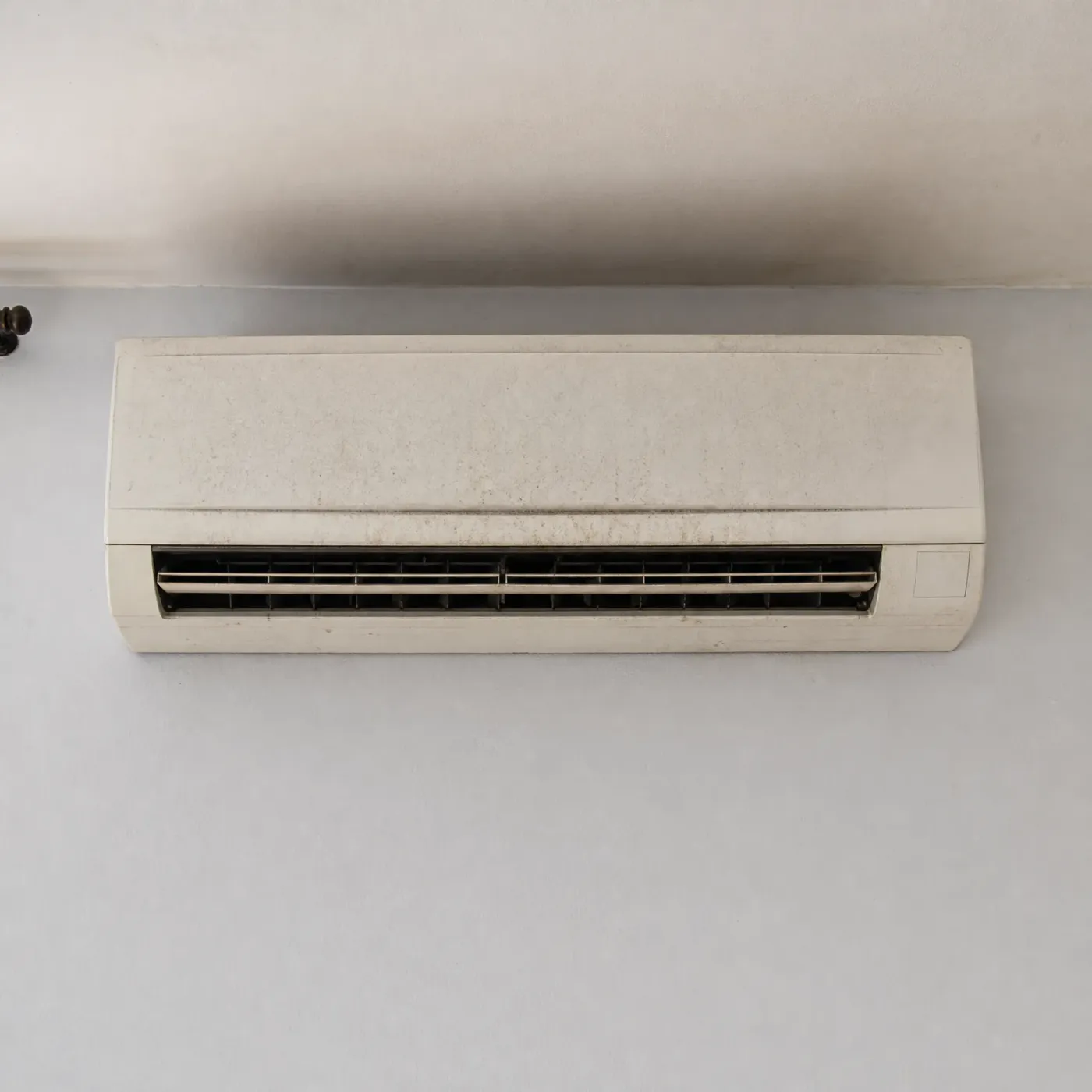
A standard mini split compressor runs at one speed, or close to it. It turns on, blasts heat, then shuts off and waits. A cold-climate model uses a compressor built to vary its speed, so it can slow down on a mild day and push harder when the temperature falls. That's what lets it keep working when a standard unit would give up. The harder part happens outside. As the outdoor coil pulls heat from the air, moisture in that air can freeze onto the coil. Below freezing, the system runs a defrost cycle: it briefly reverses, melting the frost, then switches back to heating. You might notice the outdoor fan pause or steam rise off the unit for a minute. That's normal. Most cold-climate models also use a compressor with vapor injection, sometimes called EVI, which adds a second stage of refrigerant partway through the cycle. That second stage is what keeps heat output from dropping off once it's well below zero outside, which is where a standard mini split starts to lose ground. Indoors, the head isn't just blowing full blast or nothing. It reads the room and adjusts fan speed and refrigerant flow to match what the room actually needs. None of this works if the outdoor unit can't breathe. Snow piled against it or a line set left bare costs it heat before that heat ever reaches you.
You've already got the facts on cold-climate mini splits and what they do through a Michigan winter. What's left is finding someone who installs them right, and that part usually eats a weekend. You'd be calling contractors, waiting on callbacks, explaining the same thing about your gas furnace and why you want the cold-climate model, then sitting on quotes trying to figure out who actually knows this equipment versus who's just guessing. Michigan summers get sticky enough that you want the cooling side done well too, and with electric rates what they are here, a sloppy install costs you on the bill every month after. Send the request and that search is off your plate. One contractor gets it, not five, and finding them stops being your job. You go back to deciding how you want your house heated and cooled, not who's free to call you back.
A standard mini split's capacity drops off as the outdoor temperature falls, and in a Michigan cold snap that can mean real heat loss right when you need it most.
A cold-climate model is built with a compressor that keeps producing rated heat well below zero, so the room you're heating stays warm through the whole stretch, not just the mild days.
At just over 20 cents per kilowatt-hour, every hour your mini split spends straining in a cold snap shows up on the bill. A cold-climate unit holding its rated output instead of running flat out to keep up is what keeps that number from climbing in January.
EIA-861 2025 statewide residential average
If your mini split isn't the cold-climate version, you'll notice it first on the coldest night of the year, the one where you need it most. The room won't get warm. You'll turn the thermostat up and the unit will just run longer without catching up, which is exactly when your gas furnace should be picking up the slack instead. Some households run the mini split alongside gas heat for this reason, leaning on gas once temperatures drop hard. That works, but it means the mini split is only pulling its weight part of the year, which changes the math on whether it was worth installing at all.
A cold-climate mini split installed and sized right for your home does what you bought it to do in January, not just October and April. You get real heat on the coldest days, not just the mild ones, and you get your summers covered too, which matters once that Michigan humidity sets in. It also means you're not paying to run electric resistance backup or leaning entirely on gas during a cold snap. With power running over 20 cents a kilowatt-hour here, a unit that holds its rated output instead of straining is the difference between a system that pays for itself and one that just adds a line to the bill.



Summer here isn't just hot, it's heavy. Averaged across Michigan over June, July and August, the dew point runs 60°F, enough moisture in the air that it feels thick even when the temperature itself isn't extreme. Source: NOAA climate normals. Your mini split isn't just cooling the room at that point, it's pulling that moisture out of the air through its indoor coil. On the stickiest days it may run longer than the thermostat setting seems to call for, because it's working on humidity as much as heat. A unit sized and installed right handles both without you noticing the difference.
NASA POWER T2MDEW county cells weighted by homes
You're probably checking the room on the coldest nights, the ones where the thermostat says one number and the air coming out of the unit feels like another. Maybe the outdoor unit is running nonstop, the fan going but the room not catching up. Or you're hearing it cycle on and off more than it used to, working harder for less heat. In summer it might be the opposite problem, a room that never quite feels dry even when it's cool, because the unit can't keep pace with how much moisture is in the air. If any of that sounds familiar, the unit you have may not be matched to what a Michigan winter actually asks of it.
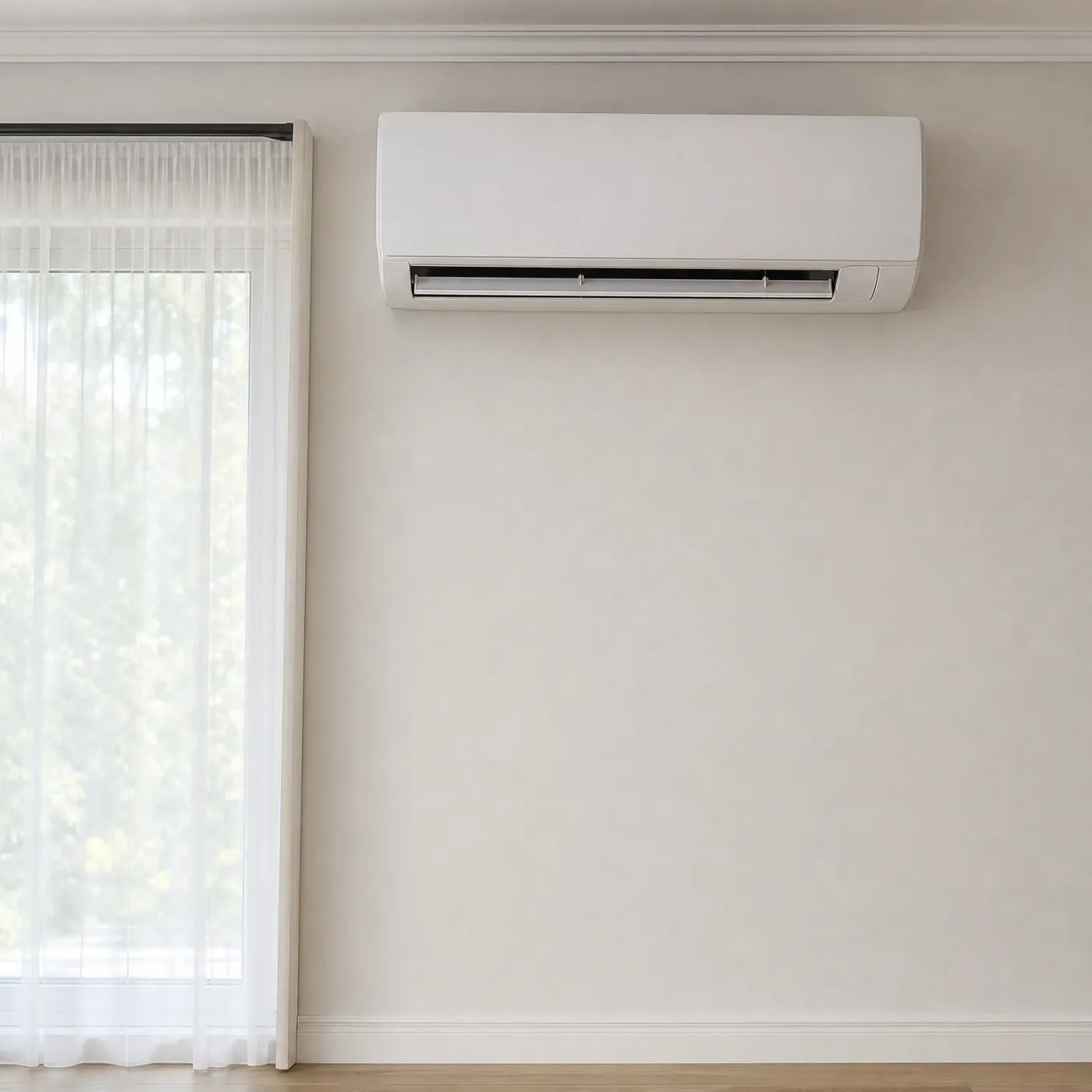
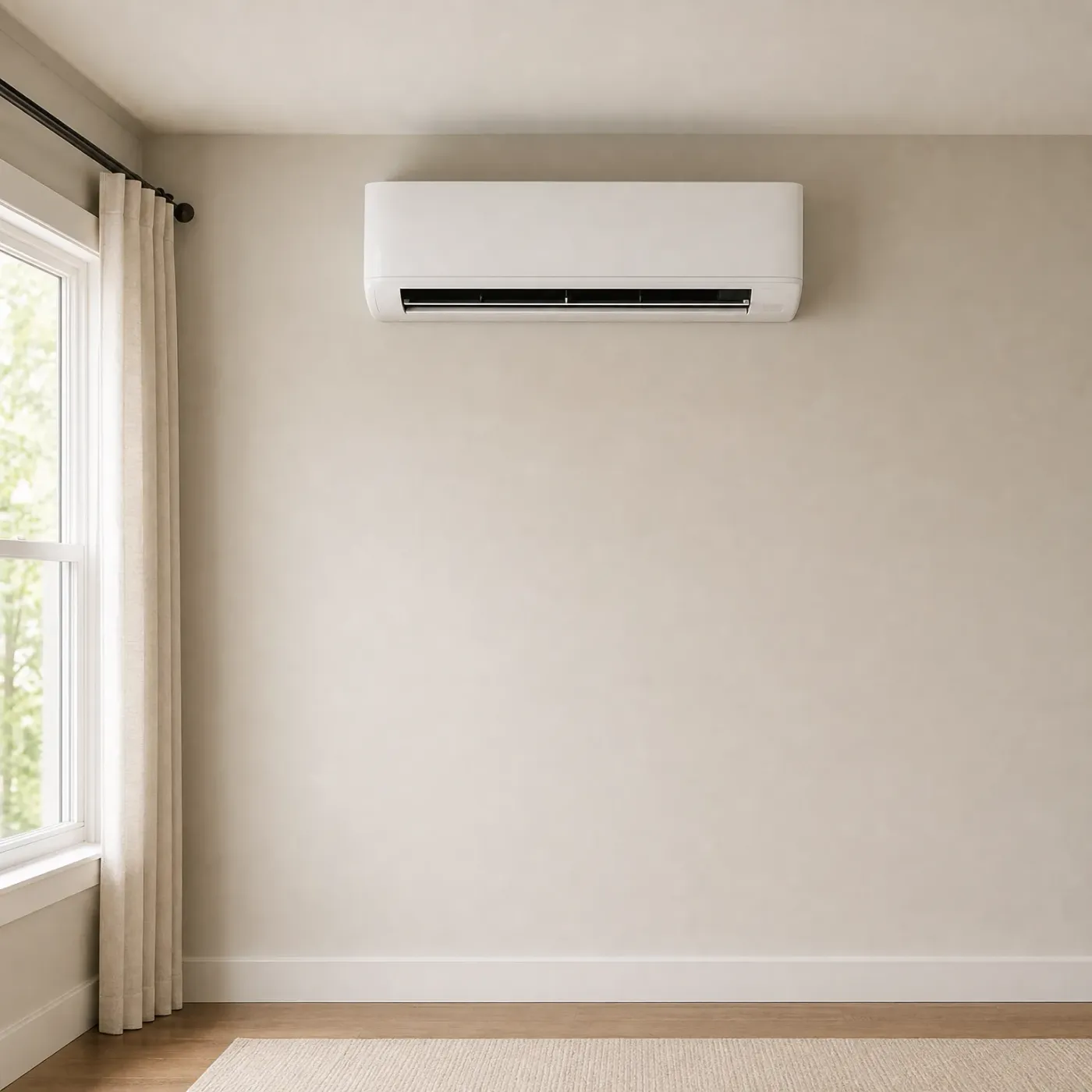
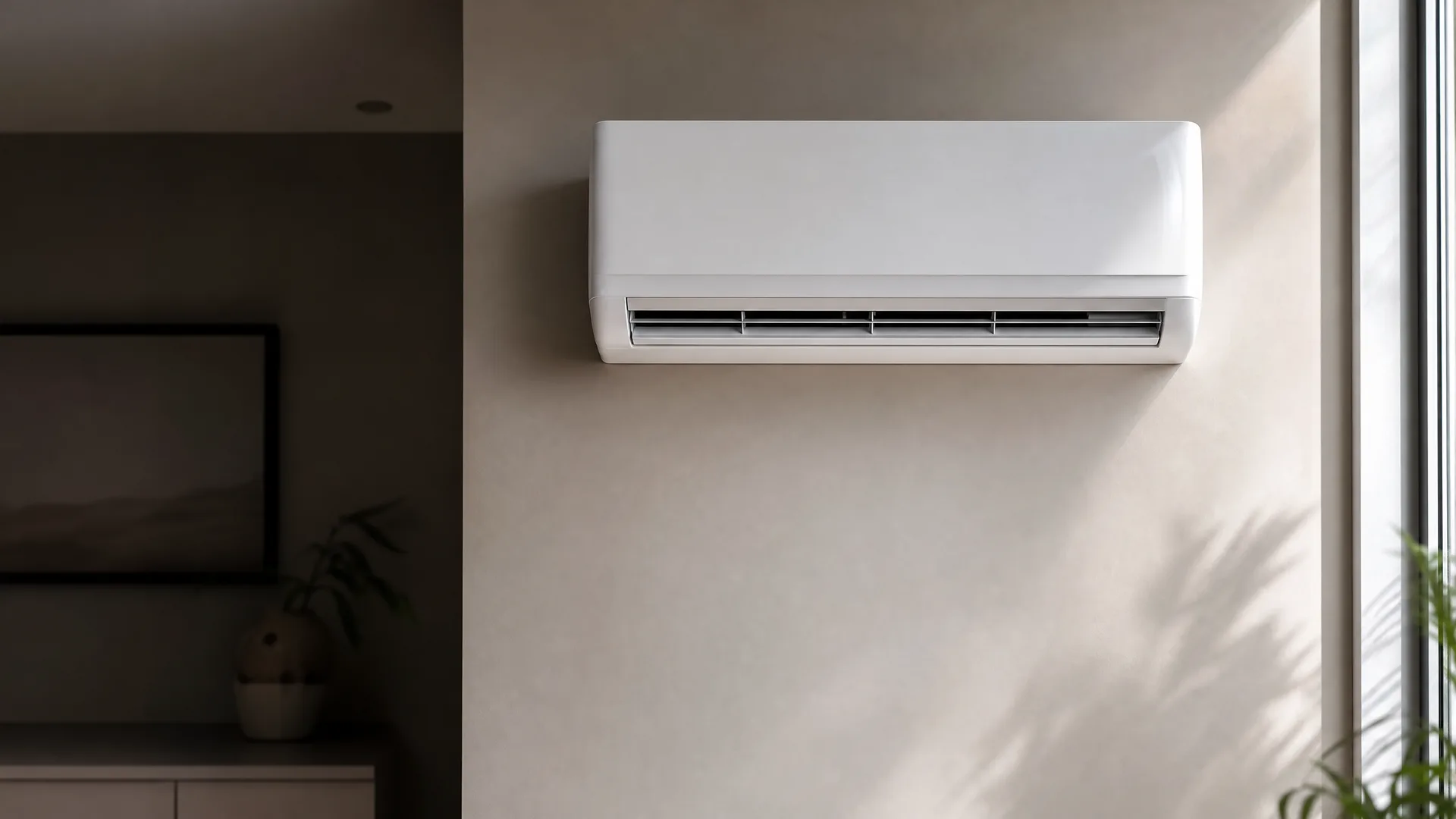
This is what a properly sized mini split looks like doing its job. Outdoor unit cycling normally, coil clean, the room next to that window actually holding its temperature. No straining, no short cycling, just steady output whether it's pushing cold air in July or heat in January.
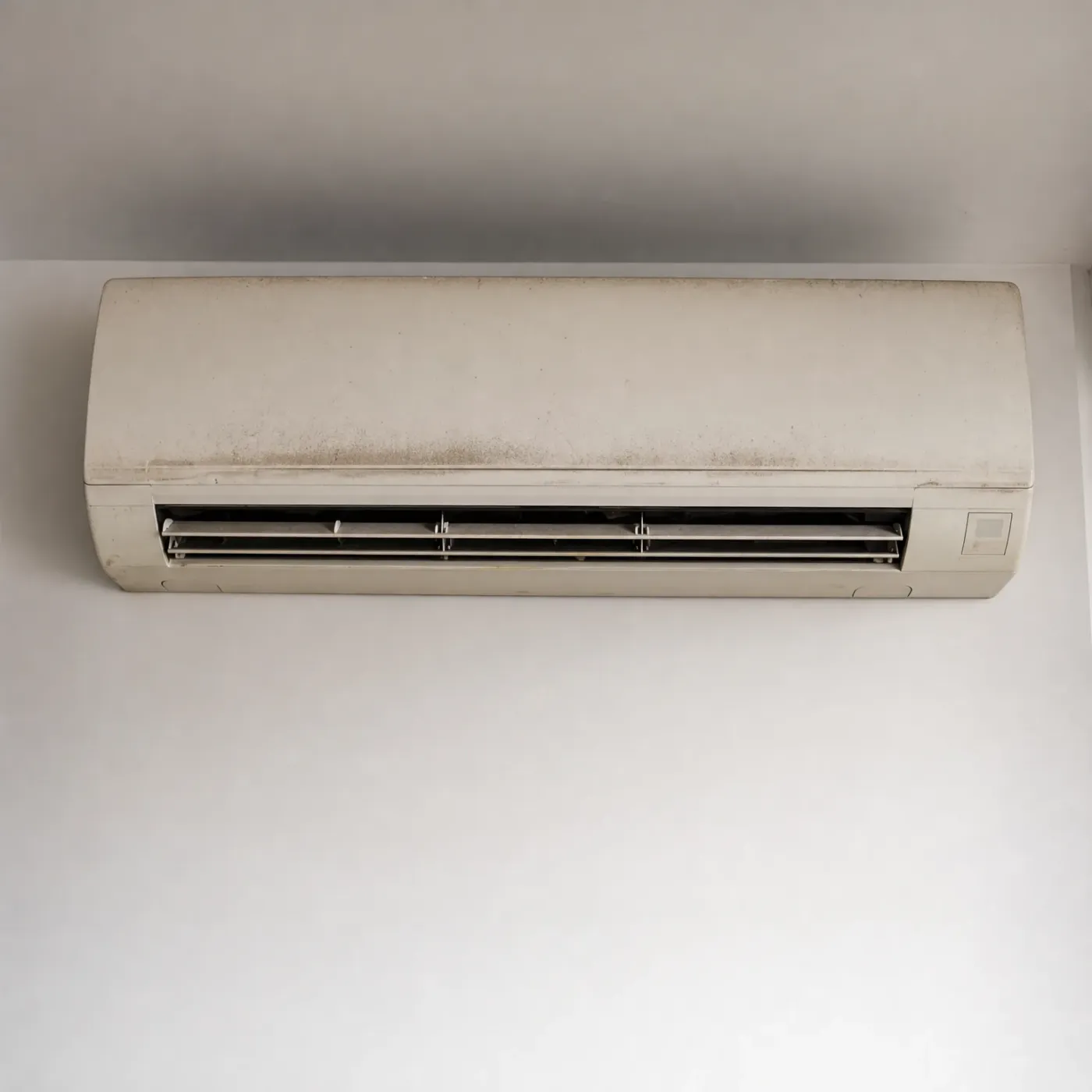
Dust and grime built up like this across the coil and vents block airflow before the air ever reaches the room. The unit runs longer to make up for it, pulling more power to get less heat or cooling out the other side. Left alone, it keeps losing ground.
A cold-climate mini split is worth it in Michigan. Standard units fall behind when the temperature drops, and Michigan gets the kind of cold where that gap shows up on the coldest night of the year, the one you can't afford to lose heat on. The cold-climate version keeps producing rated heat well below zero, and it handles the muggy stretch of summer just as well, pulling moisture out of the air instead of running flat out. With gas heat common here and power priced over 20 cents a kilowatt-hour, a unit that's actually matched to the climate is the one that keeps doing its job instead of straining through it. Getting the right unit in is most of the battle. The rest is finding someone who installs it correctly, sized right, charged right, set up to run the way it's supposed to, instead of spending a weekend calling around, explaining the same problem to every contractor, and sorting through quotes that are hard to compare. That part is what you hand off next.
One request and it's handed off