




How cold is too cold for a mini split in Michigan

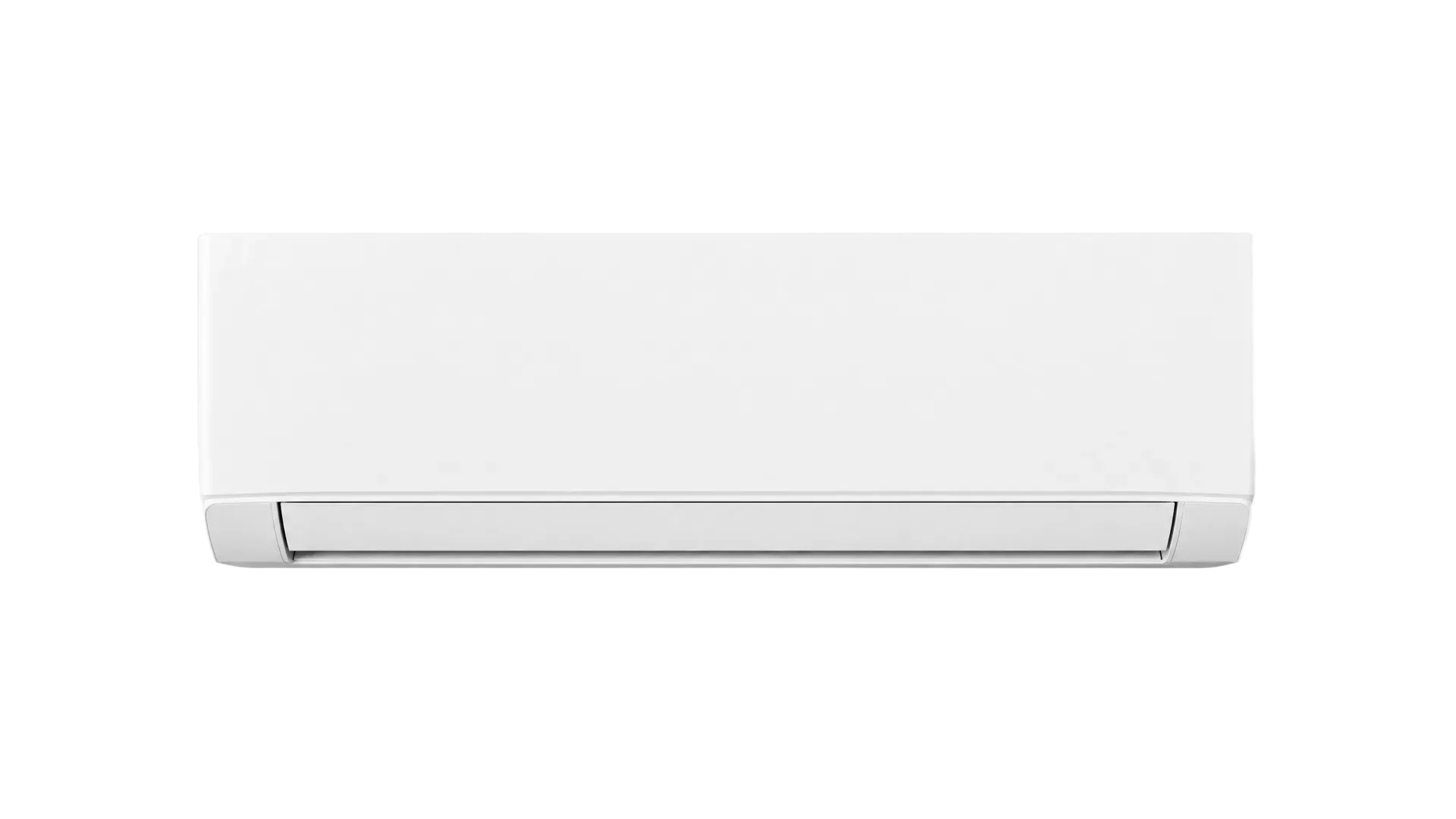
A white wall-mounted mini-split air conditioner indoor unit shown straight-on against a plain light gray background.
Start one form

Most mini splits made for cold climates start losing real heating power somewhere around 5 degrees Fahrenheit, and below that the unit leans harder on backup electric strip heat or shuts down its outdoor coil to defrost more often. Michigan winters sit right at that edge. The air outside holds less heat for the unit to pull in, and frost builds on the outdoor coil faster than it can melt off, so the system spends more of its cycle defrosting instead of warming your house. Standard mini splits give up well before that point, often by 20 or 10 degrees. If yours is a cold-climate model rated for sub-zero temperatures, it can usually keep working through a Michigan cold snap, just with less output than it has in fall or spring. Since most homes here heat with gas, a mini split rated for this cold matters most if it's your main heat source, or if you're counting on it to carry a room gas doesn't reach.

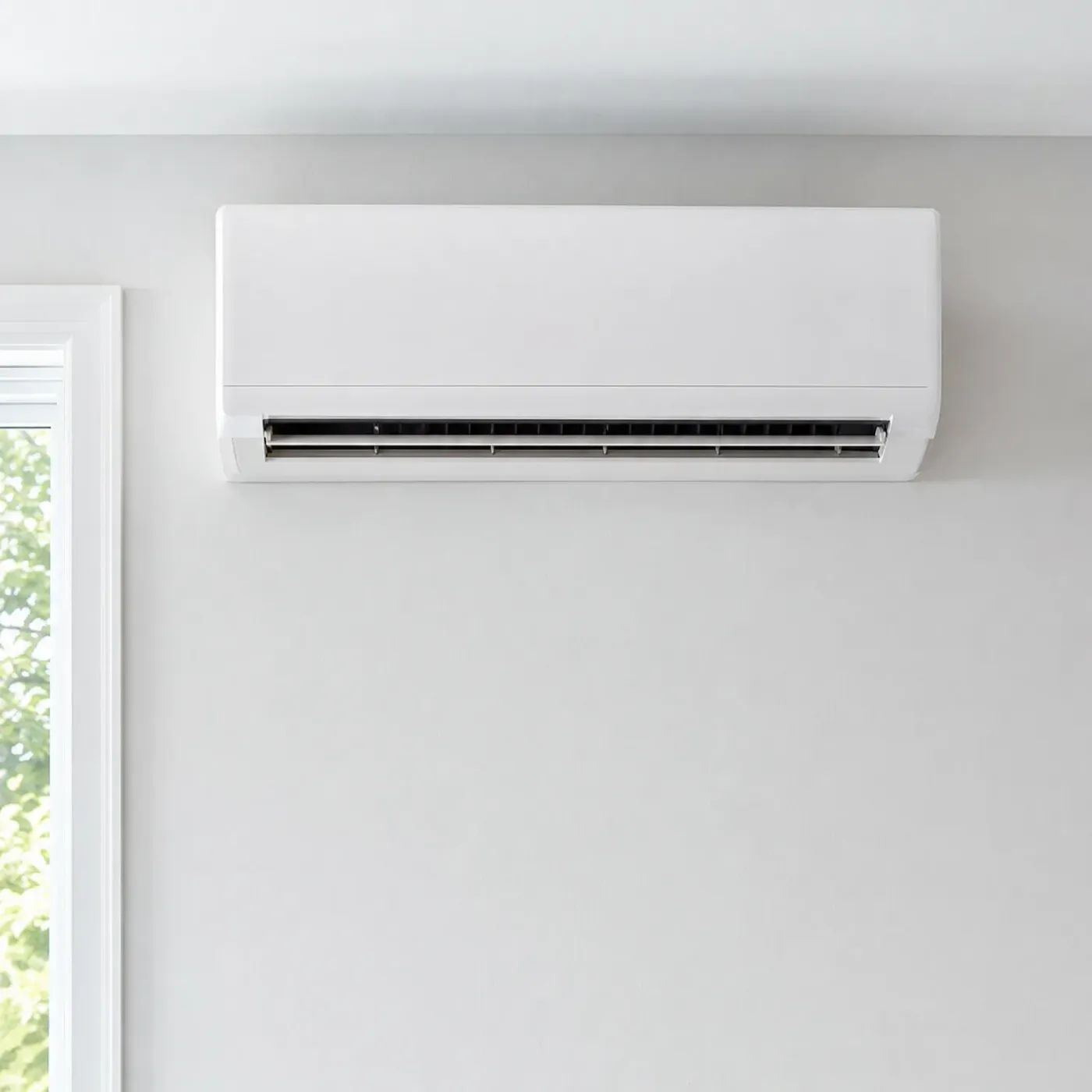
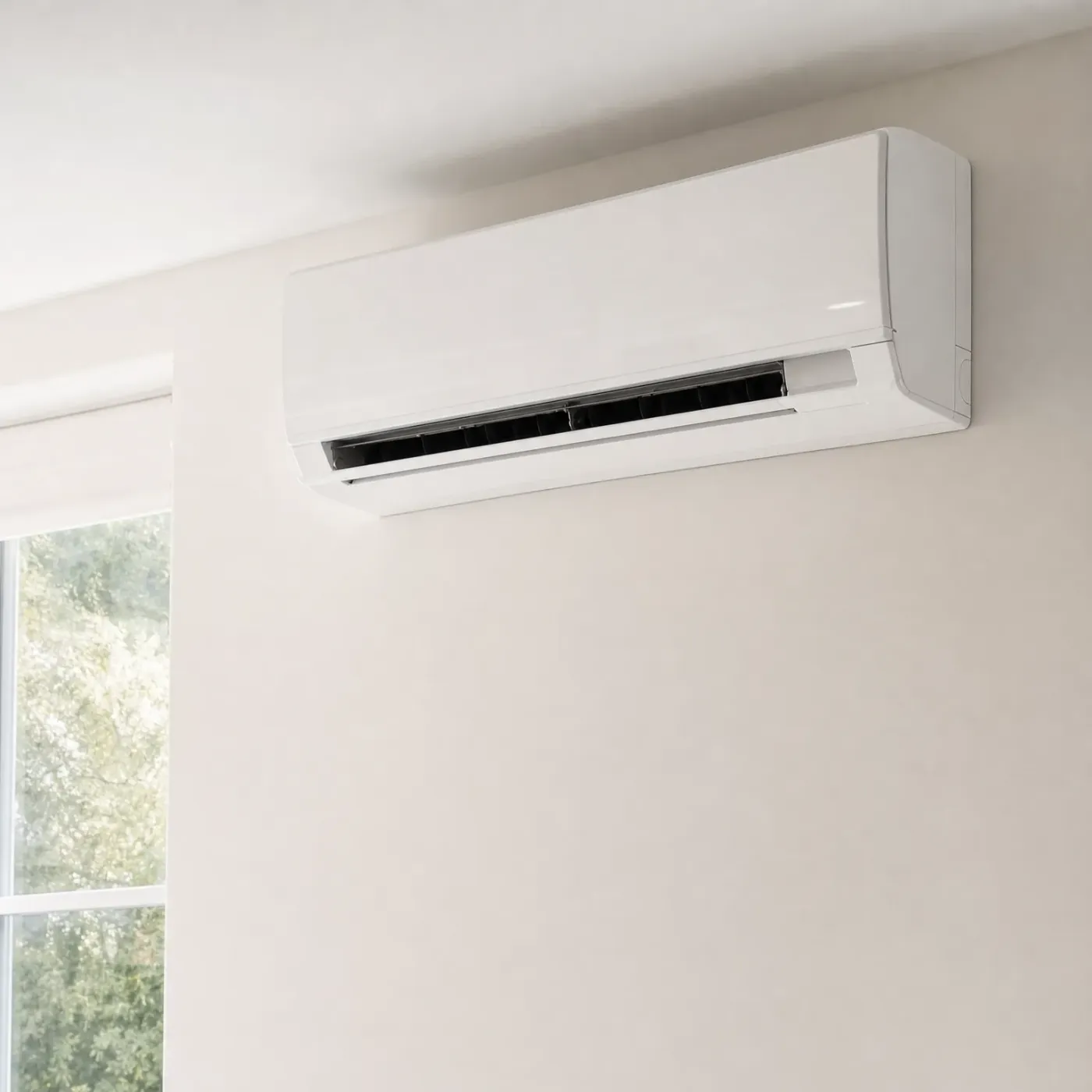
A white wall-mounted mini-split air conditioner unit installed high on a light gray interior wall near the ceiling, with a white-framed window and green foliage visible at the left edge.
A mini split sized and installed right for Michigan winters keeps pulling heat from outdoor air even on a single-digit night.
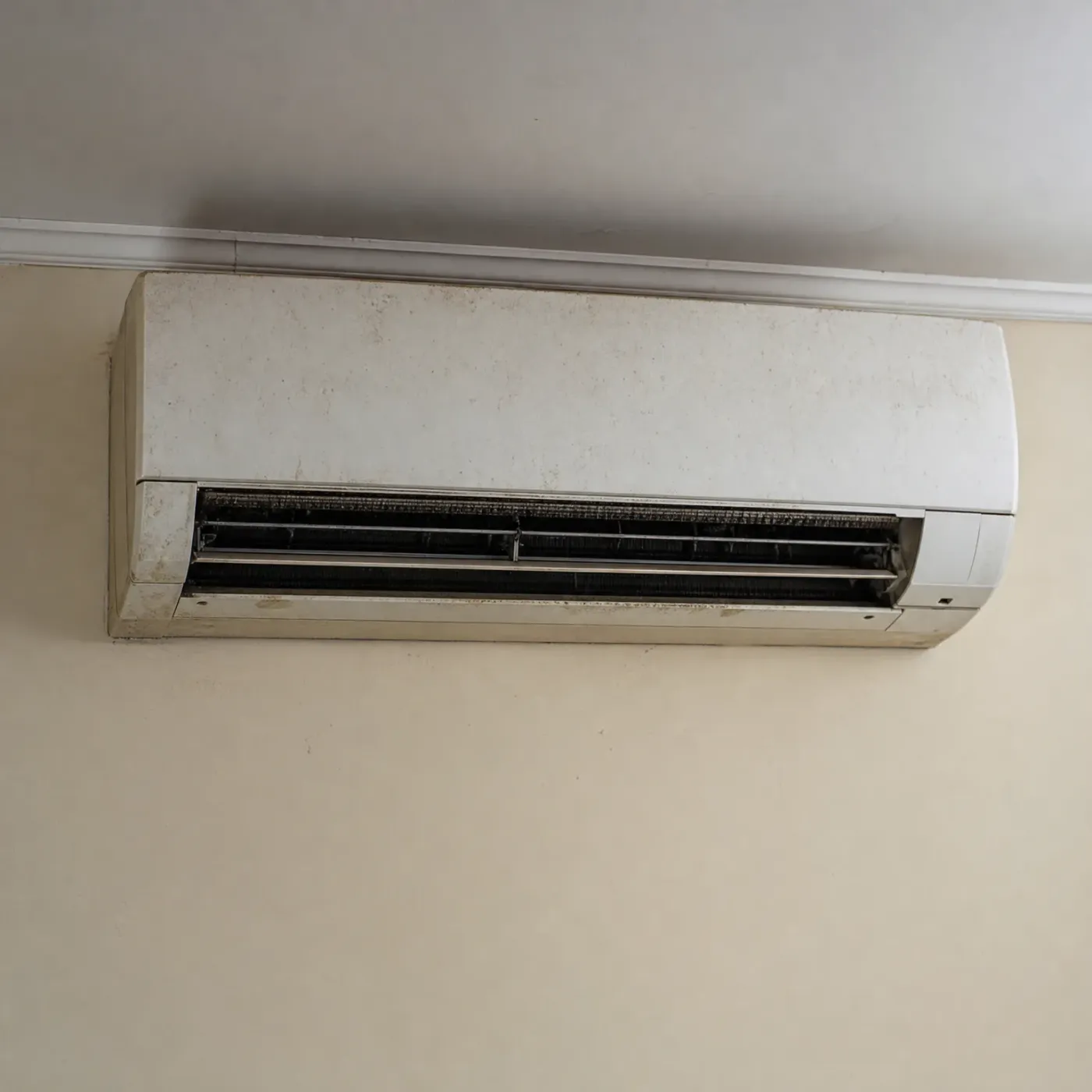
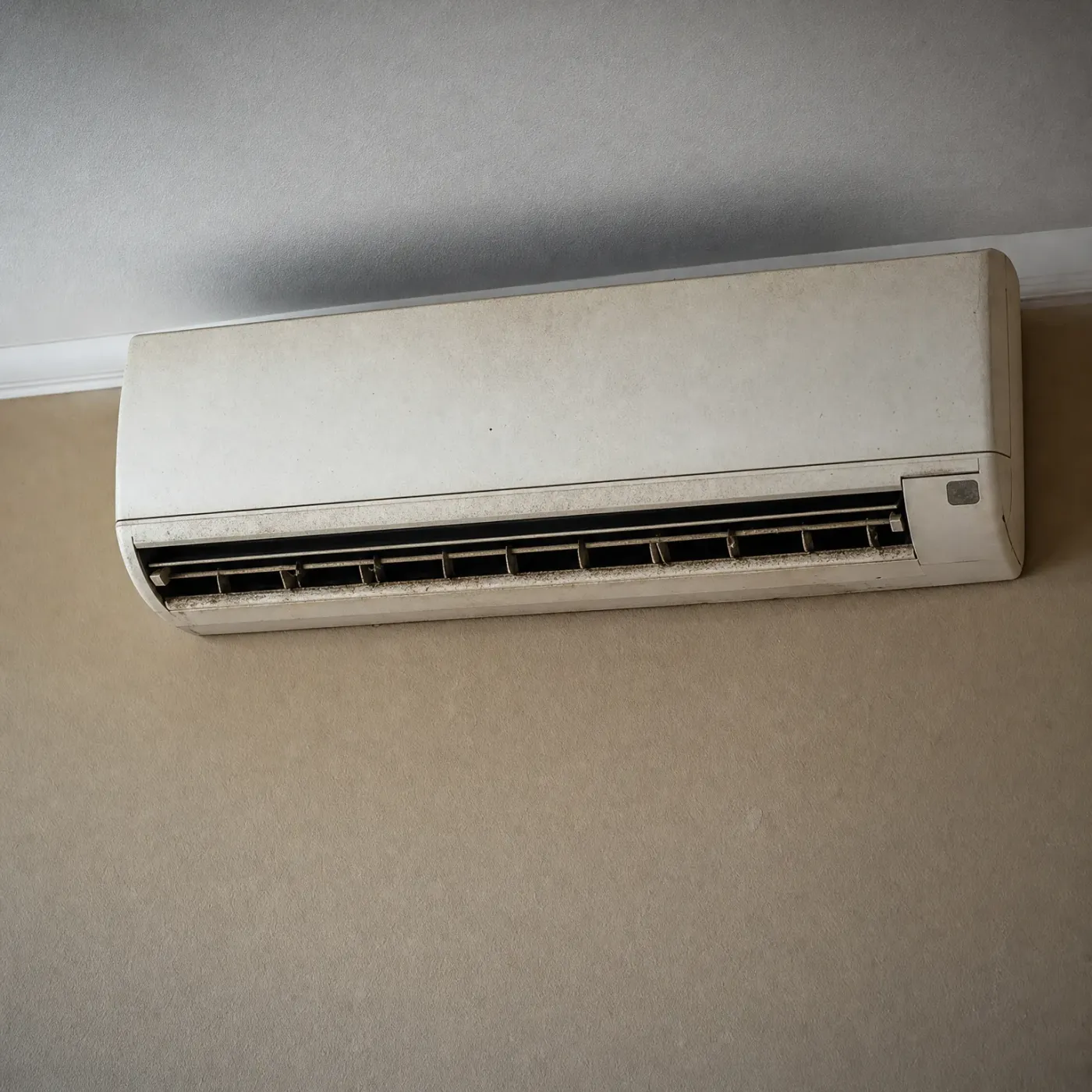
A dusty white wall-mounted mini-split air conditioner installed high on a beige interior wall below a molded ceiling trim.
A clogged filter or a unit sized wrong for the room forces the compressor to work past what it can deliver once temperatures drop.

The outdoor unit works by pulling heat out of the air with a refrigerant coil. That gets harder as the temperature drops, since cold air just has less heat in it to grab. Below freezing, frost forms on that coil, and the system has to stop and run a defrost cycle to melt it off before it can keep working. The colder it gets, the more often that happens, and heating pauses for a few minutes each time. A cold climate mini split handles this with a variable speed compressor, one that ramps up as it gets colder outside instead of running at a single fixed speed the way older units do. Past a certain point, the compressor alone can't keep up, and the unit switches on electric strip heat to make up the difference. That backup heat costs more to run than the compressor does. Even when everything is working as it should, the air coming out of the indoor head won't feel like a furnace. It moves a steady stream of warm air rather than a short blast of hot air, so it reads as cooler even while it's doing its job.

What happens inside the unit

  • A mini split's outdoor unit pulls heat from the air using a refrigerant coil, and as the air outside gets colder there's less heat in it to grab.
  • Below freezing, frost builds up on that outdoor coil, so the system runs a defrost cycle that briefly reverses itself to melt it off.
  • Defrost cycles happen more often as the temperature drops, and each one pauses heating for a few minutes while the unit clears the coil.
  • Cold climate mini splits use a variable speed compressor that ramps up output as it gets colder outside, unlike older units that run at one speed.
  • Once a unit can't keep up through its compressor alone, it switches on backup electric strip heat to cover the gap, which costs more to run than the compressor.
  • The indoor head blows air that feels cooler than a furnace vent even when it's heating well, because it moves a steady stream of warm air rather than a short blast of hot air.
A woman in a knitted shawl sits in a living room with a fireplace, shelves, a sofa with cushions, and a lamp by a bright window, looking off to the side.
A woman with long brown wavy hair in a green shirt over a white top stands in a living room with built-in white shelves, a ceiling fan, a potted plant and a sliding glass door.
A woman with shoulder-length gray-streaked hair in a light gray knit sweater stands smiling and looking off to the side in a living room with a sofa, houseplant, framed picture, and sunlit sliding glass door.
A woman with shoulder-length curly gray hair wearing a gray knit sweater stands near a window with a sheer curtain, looking to the side, with a blurred interior room behind her.

No phone calls to make

One installer gets your project, so there's no bidding war over it.

You only hire the pro if you want to.

Why cold climate models hold up longer

A cold climate mini split uses a compressor built to keep ramping up as the temperature drops, instead of stalling out the way a standard unit does. It can keep pulling heat from the air well below 0 degrees Fahrenheit, where a standard system has already given up and handed the load to backup heat. The difference shows up on nights when Michigan sits in the single digits or lower. A standard unit installed for a mild climate was never built for that, and it shows in the electric bill and in how warm the rooms actually get.
What backup heat strip means for your bill

When a mini split can't pull enough heat from the outdoor air, it switches on an electric strip heater inside the unit to make up the difference. That strip heat runs on straight electric resistance, the same way a space heater does, with none of the efficiency a heat pump gets from moving heat instead of generating it. Since most Michigan homes heat with gas and power here isn't cheap, leaning on strip heat through a stretch of hard cold adds up fast. A mini split sized and installed for the climate leans on it far less.

A dusty white wall-mounted mini-split air conditioner indoor unit installed high on a beige interior wall below a white ceiling and trim.
Before you get your mini split installation
A white wall-mounted mini-split air conditioner installed near the ceiling on a light-colored interior wall, with a window and green foliage visible at the left edge.
After you get your mini split installation

On a night in the single digits, a mini split that's sized wrong or running on a dirty filter will fall behind, and the rooms it's supposed to heat start cooling off while the backup strip heat kicks in to cover the gap.

That backup heat runs on electricity, and electricity costs more here than gas, so the same cold snap that leaves your family reaching for blankets is also the one that shows up biggest on your bill.

A woman and a sleeping child wrapped together in a cream knitted blanket on a couch, with a potted plant, framed photo and lit lamp in the background.
An older woman with gray hair in a bun and glasses, wearing a beige knit sweater, smiles while looking to the side in a warmly lit kitchen, with a loaf of bread on the counter in the foreground and a snowy scene outside the window.

A gas furnace backing up the mini split

Most Michigan homes already have a gas furnace. Keeping it as backup means the mini split handles mild days and the furnace covers the coldest stretches, without leaning on electric strip heat.

Fill out one form

A mini split alone, down to single digits

A cold climate unit sized right for your home can carry the heating load on its own through most of winter, but running it alone means electricity covers the coldest nights instead of gas.

Fill out one form

Power costs 20.03 cents per kilowatt-hour statewide

At 20.03 cents per kilowatt-hour, every hour spent on backup strip heat shows up on your bill fast. That's the real cost of a mini split that's undersized or set up wrong for a Michigan winter. Get the sizing and install right and you're not paying electric rates to make up for what the heat pump can't deliver.

EIA-861 2025 statewide residential average

  1. Outdoor air passes over the coil and gives up its heat.

  2. Refrigerant inside the coil absorbs that heat and turns to gas.

  3. The compressor squeezes the gas, raising its temperature further.

  4. Hot refrigerant carries that heat inside to the indoor unit.

A closed dark laptop and a ceramic mug of coffee on a wooden dining table, with wooden chairs, a dark kitchen cabinet with cutting boards and a potted plant, and a leafy plant by a window in the background.

Cold is only a problem if the install got it wrong

A mini split sized for your home and installed with a cold climate compressor will keep heating through a Michigan winter, single digits and all. The point where it struggles isn't the temperature outside. It's whether the unit was matched to your rooms and set up to handle the drop in the first place.

Finding someone to check that means calling around, explaining your system and your house more than once, then weighing quotes that each size things differently. A local contractor who installs mini splits in Michigan winters all season knows what tends to go wrong here and how to size the install so it doesn't. One contractor, one call, and you know where you stand.

Interior corner with a beige sofa holding a dark green and a light cushion and a textured throw, a potted small-leaved tree beside a white-framed window, and a dark shallow bowl on a wooden coffee table in the foreground.
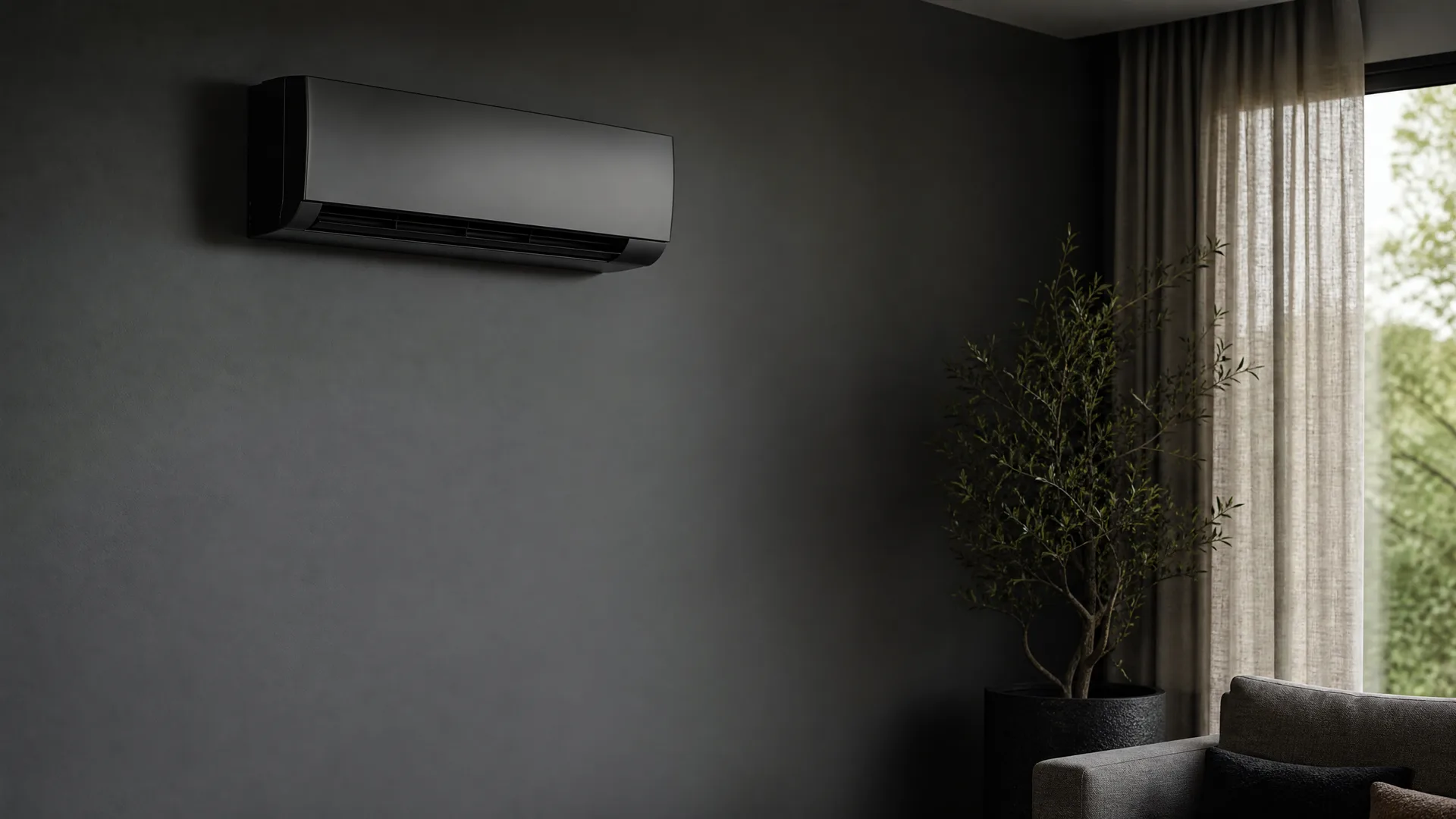
A dark wall-mounted mini-split air conditioner on a gray interior wall, with a potted olive-like tree, sheer curtains over a window showing green foliage, and a gray sofa in the lower right corner.

Skip the search

Your request goes to one pro, not a list of companies.

Step 1 of 3: Equipment