 Get a mini split pro
Can a mini split be your only heat in Michigan
A local installer who puts in mini splits gets your project.
A mini split can heat a Michigan home, but on the coldest nights most of them lean on backup heat to keep up. That matters here, because most homes in Michigan already have a gas furnace doing that job. The question isn't really whether the mini split can work alone. It's whether your house is set up to let it, or whether it should stay paired with what you already have.
Your mini split earns its keep in summer, when the air gets sticky and a system that both cools and dehumidifies is worth having. Winter is a different test. Cold-climate units are built to keep producing heat well below freezing, but how yours performs depends on the specific model, how it was sized for your house, and how low your area actually gets on a hard January night.
Electricity costs more here than gas does in most Michigan homes, which is part of why so many households keep a furnace running as backup instead of asking the mini split to carry the whole winter by itself. Whether that math holds for your house depends on your unit, your rates, and how your home holds heat.
None of that is something to guess at from a search bar. It depends on the mini split you have, the capacity it was installed with, and the rest of your heating setup. A contractor who can look at your specific system and your house can tell you whether it's enough on its own, whether it needs backup, or whether a different setup would serve you better.
That's the next step here. Once you answer a few questions about your home, you're matched with a contractor who handles installations like yours, and they'll reach out to go over what your situation actually calls for. You won't have to track anyone down or figure out who's worth calling. That part is off your plate once you send it.
Can a mini split be my only heat source in Michigan?
You already have a mini split and you're wondering if it can carry your home through a Michigan winter on its own, without a backup system kicking in or standing by.
Not reliably on its own, no
A cold climate mini split keeps producing heat well below freezing, but its output drops as the temperature drops, and on a single digit night it may not keep pace with how fast a Michigan house loses heat. That's why most installations here pair the mini split with a furnace, letting the mini split carry the mild months and the furnace take over when it gets hard cold. Since most homes in Michigan already have a gas furnace in place, that backup is usually already sitting there unused once the mini split goes in. Running the mini split as the only source means the furnace is gone, and nothing steps in if a stretch of extreme cold outlasts what the mini split can produce.




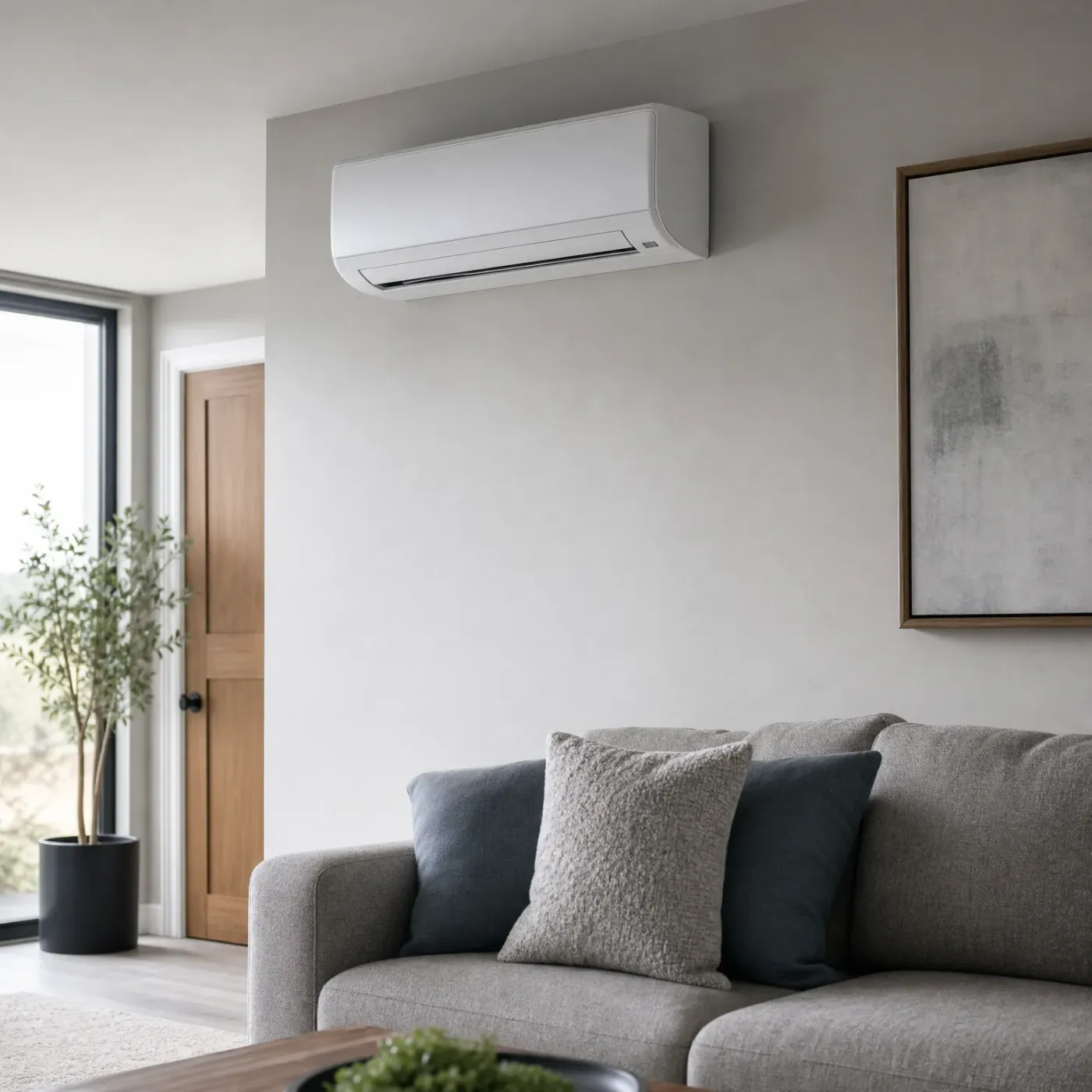
A pro who works on mini splits
After you send the request, you're done searching.
Get in touch with a local installer about a new mini split.
No charge to send it. You decide if you hire them.
Mini split alone or paired with gas
Mini split alone
- Cold climate mini splits keep producing heat well below zero, but output drops as the temperature drops, so the coldest days ask the most of a unit that's already giving less.
- A single mini split head warms the room it's mounted in well; rooms down a hall or behind a closed door can stay noticeably colder.
- There's no gas line or combustion to maintain, so the system you run is only the heat pump itself.
- If the power goes out, the mini split stops, and so does your heat until it's back.
- Electricity costs more here than gas, so carrying the whole house on the mini split through January and February runs up a bigger bill than gas heat would for the same warmth.
Mini split with gas furnace
- The furnace picks up the coldest stretches of winter, so the mini split can run efficiently in the shoulder months without being pushed to its limit.
- Ductwork already distributes the furnace's heat room to room, covering spaces the mini split's head doesn't reach as well.
- A furnace fired by gas keeps working the same way in a power outage, since many have a standing pilot that needs no electricity to stay lit.
- Running the mini split for cooling all summer and part of the shoulder season, then switching to the furnace for deep winter, splits the load between two systems instead of asking one to do it all.
- Setting up both to work together means deciding how they hand off to each other, which is something a contractor sizes for your house rather than something that happens on its own.

A sensor outside reads the outdoor temperature.
Below freezing, the compressor works harder to pull in heat.
The refrigerant carries less heat per cycle as it gets colder.
Output falls below what the house is losing through its walls.
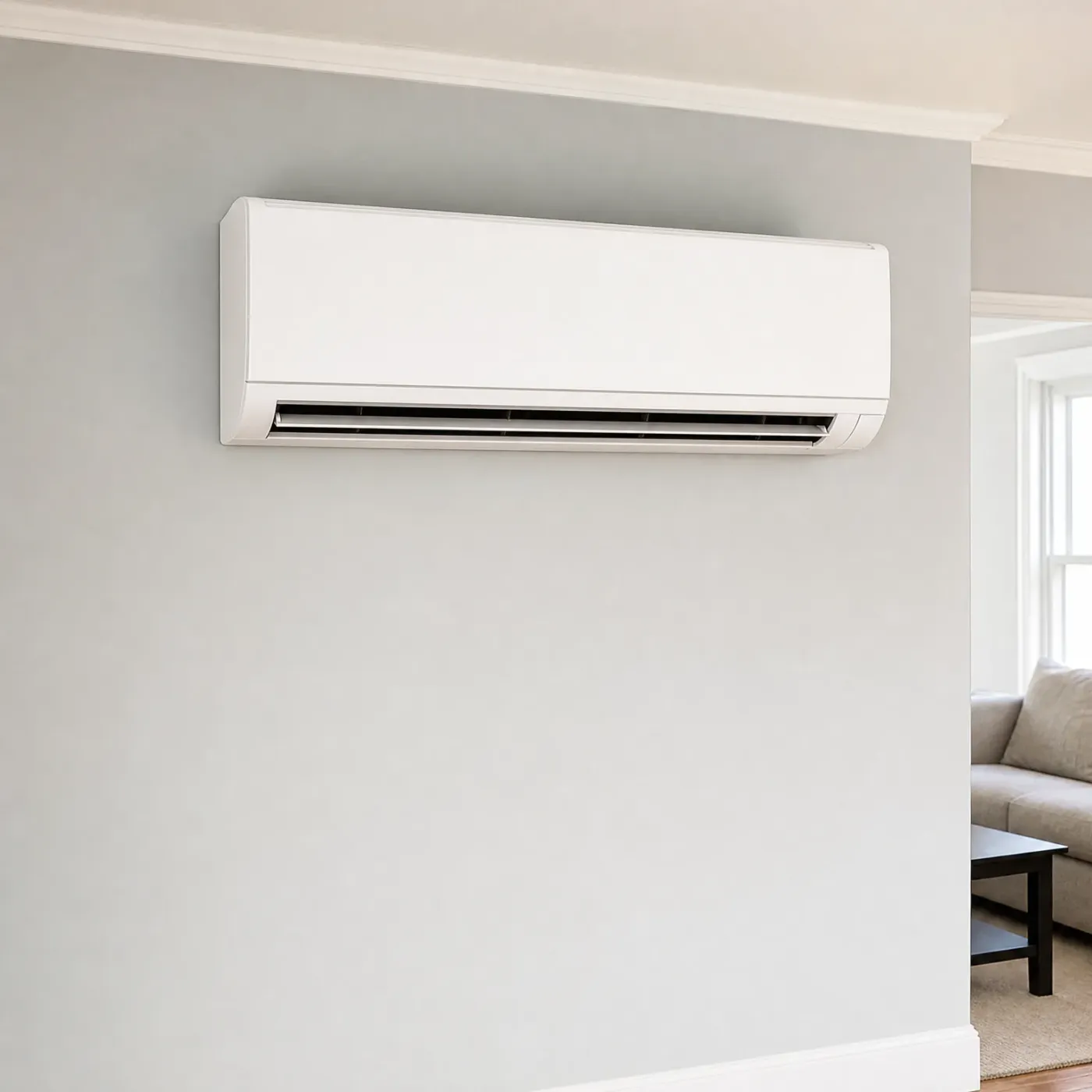
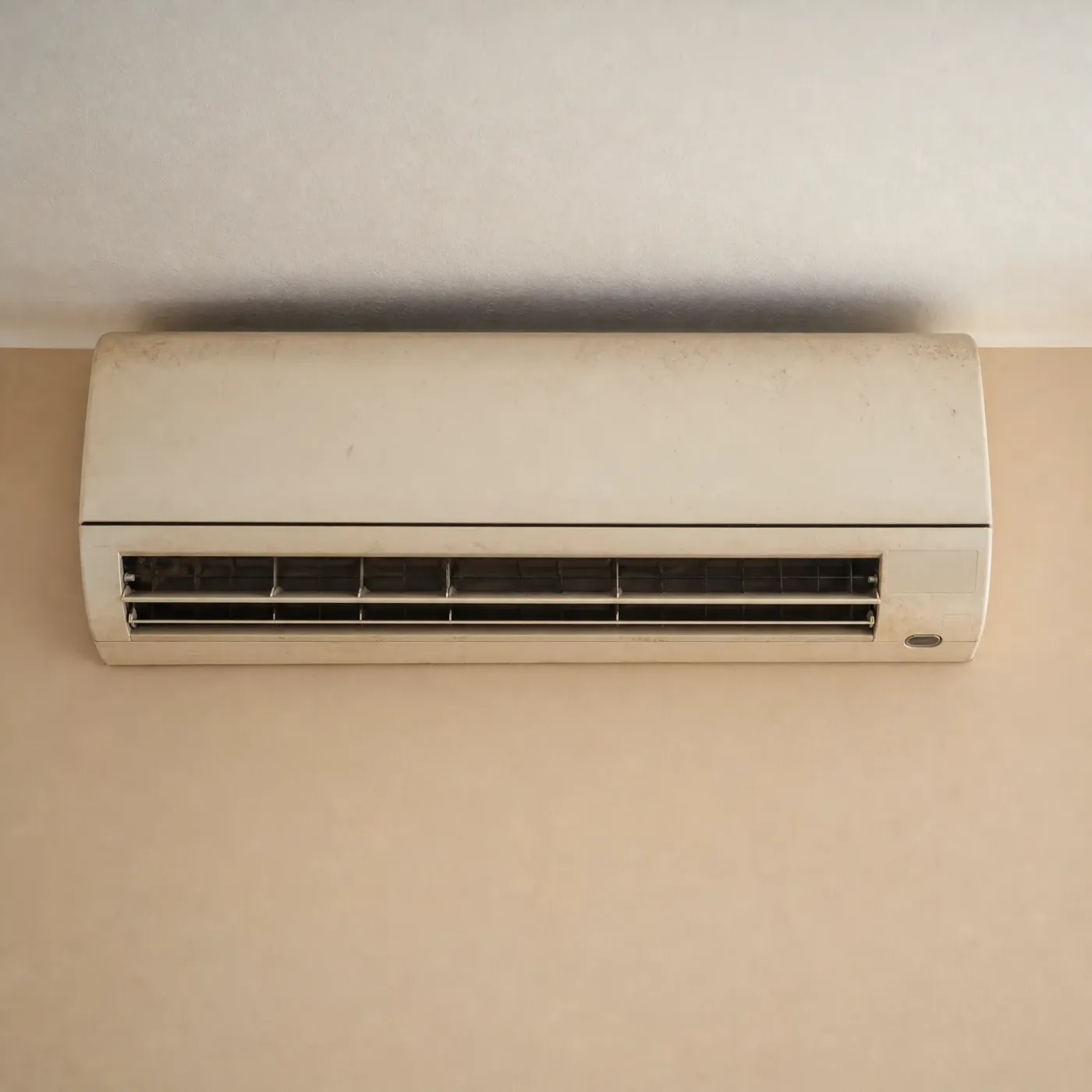
Power costs 20.03 cents per kilowatt-hour statewide
At that rate, a mini split carrying the whole heat load on a cold night runs up your bill fast, since it draws more power as the temperature drops. Backed up by gas, it only works the mild days, and your electric bill stays reasonable.
EIA-861 2025 statewide residential average
Where This Leaves You
- A mini split heats a Michigan home down to low temperatures, but output keeps falling as the air outside gets colder.
- Gas backup takes over on the coldest nights, so the mini split works the mild days and the furnace handles the rest.
- Running one mini split as the only heat means sizing it for the coldest night of the year, not an average one.
- Electric rates in Michigan make a mini split carrying the whole load an expensive way to get through January.
- A correctly sized mini split paired with your furnace keeps the compressor from fighting single digit air on its own.
- The honest answer is the mini split can help heat the house, but it shouldn't be the only thing standing between you and a cold snap.
A mini split can carry a good share of a Michigan winter, but it isn't built to stand alone on the nights that matter most. As the air outside gets colder, the unit has to work harder to pull in less heat, and there's a point, somewhere around when temperatures drop into the single digits, where it can't keep up with what the house is losing. That's the night a furnace is for. Most homes here already have gas heat sitting idle in the background, ready to take over when the mini split's output falls short. Splitting the load that way isn't a compromise. It's how the system is supposed to work. The mini split handles the long stretch of mild and moderately cold days, where it's efficient and the furnace barely has to run. The furnace handles the short stretch of real cold, where electric heat gets expensive fast and gas doesn't. Trying to size a mini split to cover the coldest night alone means paying for capacity that sits unused most of the winter. Pairing it with the furnace already in the house means both systems do the part they're good at. The mini split isn't a lesser form of heat. It's just not the whole answer by itself, not here, not with what Michigan winters do to the outdoor air.


Mini Split Installation
Get your mini split to the right pro
Send the form and the search for an installer is over.