
Best mini split setting for a Michigan winter
What should I set my mini split to in winter in Michigan?
Cold snaps in Michigan can drop well below what a mini split was ever meant to handle, and most homes here fall back on a gas furnace once it gets that cold. You want to know what number to actually leave the thermostat on so the unit isn't straining or running up the power bill without keeping the room warm.
Set it to 68 to 70 degrees and leave it there
A mini split heats most efficiently when it isn't working to close a big gap between the set temperature and the room. Picking 68 to 70 and leaving it alone lets the unit run at a steady, low output instead of cycling hard every time you bump it up or down. Turning it off overnight and back on in the morning makes it pull more power to recover the room's temperature than it would have used just holding steady. On the coldest days, when outdoor temperatures drop low enough that the unit can't keep up, that's where a gas furnace in the home earns its keep, carrying the load the mini split was never sized for.
Why the thermostat number matters
A mini split works hardest the bigger the gap between the air outside and the temperature you set. Ask it for 72 when it's 10 outside and the compressor runs flat out just to hold that line. Give it a number closer to what the outdoor unit can actually reach without straining, usually in the high 60s, and it keeps up without icing over or short cycling, which is what wears out a compressor early.
What the defrost cycle is doing
Below freezing, the outdoor unit periodically stops heating and runs in reverse for a few minutes to melt the frost off its coil. That's normal and it's not a malfunction. But a unit that's buried in snow or has ice built up around the base has to run defrost more often, and every defrost cycle is heat it's not sending into your house. Keeping the area around the outdoor unit clear helps it spend more time actually heating.

What that setting means for your place
Hold your mini split around 68 and let the gas furnace take over once the outdoor temperature really drops, and you'll likely notice the unit cycling less and the air coming out warmer instead of lukewarm. Push it to fight a Michigan cold snap on its own and you may hear it running almost constantly, which is the compressor straining rather than heating efficiently. With power costs what they are here, that strain shows up on the bill before it shows up as a breakdown.
A mini split that's been asked to do too much in the cold tends to show it in small ways first: ice building up on the outdoor unit, a longer wait for warm air, a filter that clogs faster because the system is drawing harder. Someone who services mini splits through a Michigan winter every year knows which of those signs mean adjust the thermostat and which mean the unit needs a look. Getting matched with a contractor local to you means one person looking at your actual setup, not a dispatcher sending whoever's free.

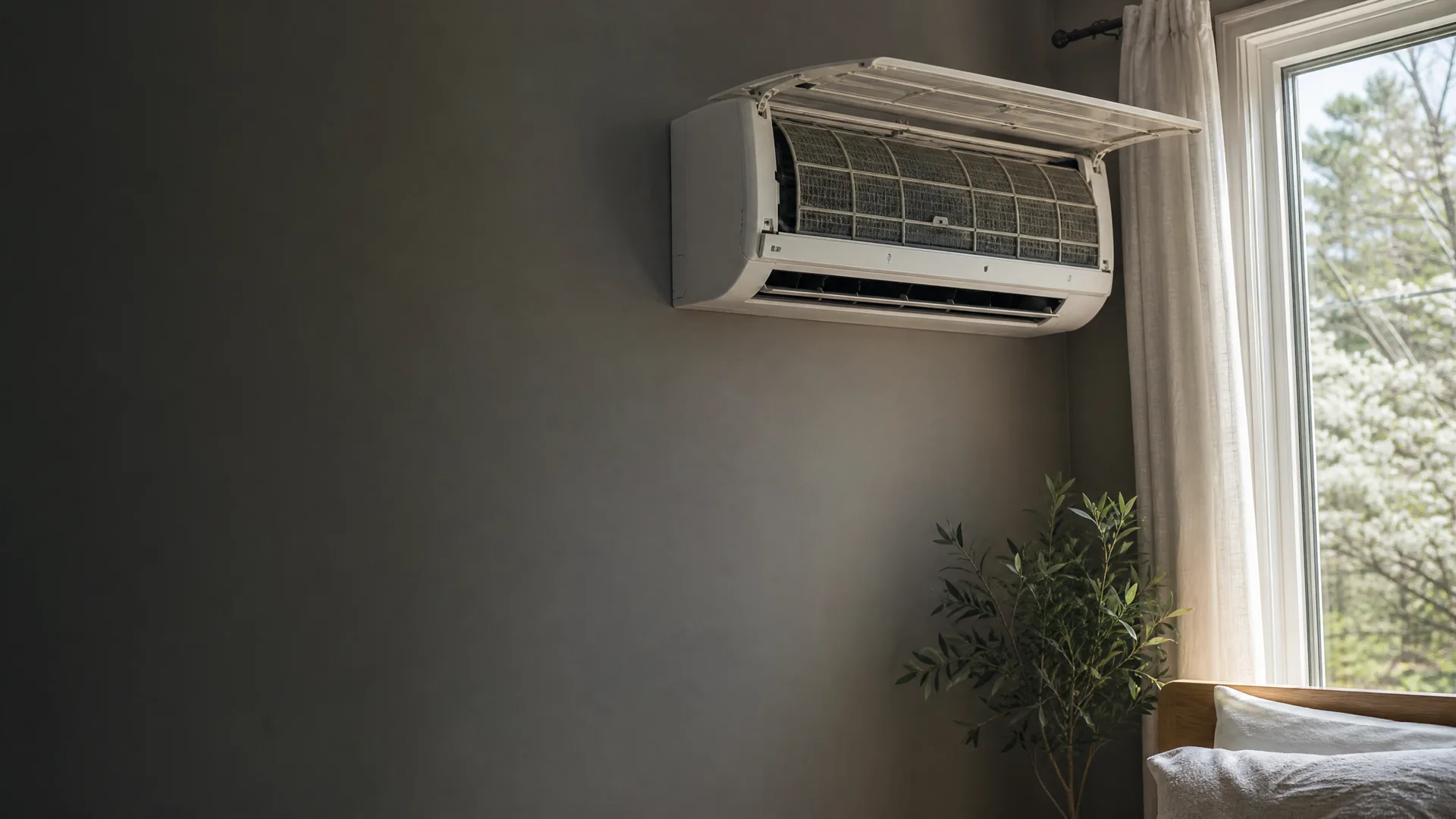
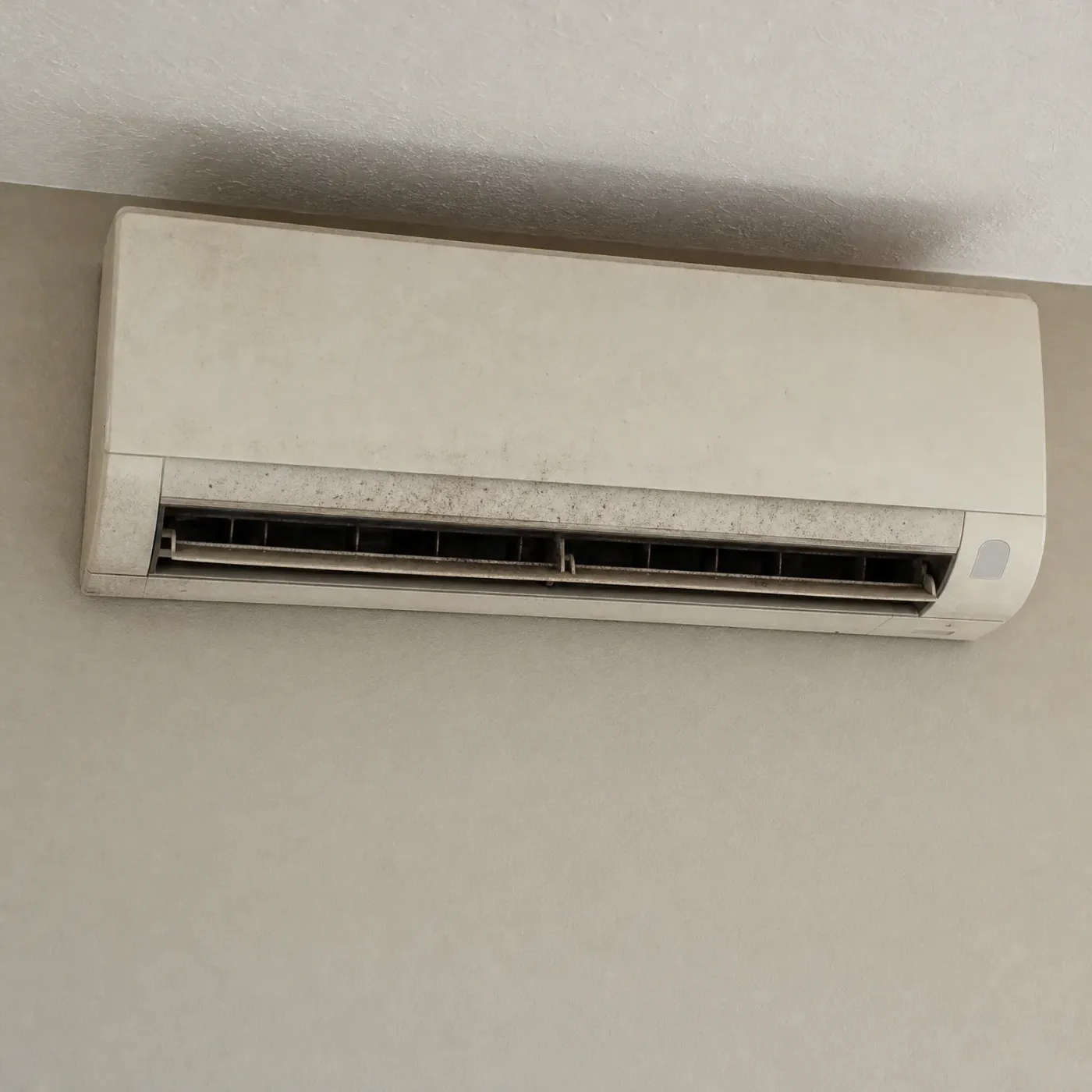
Spring sun comes through the blinds in the bedroom, the kind of light that makes you notice the dust you missed all winter. The mini split's front cover is lifted, the filter screen pulled half out, grey with months of running while the furnace handled the worst of it. You run a thumb across it and the dust doesn't budge, packed in from all the hours it spent on low settings since October. A Michigan winter asks a lot of a filter even when the unit isn't doing the heavy lifting. A local contractor who services mini splits all year would know from that screen alone how the system actually ran this winter, not just how you set it.
Matched to your mini split job
A mini split that's set wrong for a Michigan winter doesn't just run up your power bill, it wears on parts that are expensive to replace: the compressor, the coil, the board that controls defrost cycles. Running the unit hard on a night when it should have handed off to the furnace puts strain on it that adds up over a season, and you won't see it until the unit starts short cycling or stops keeping up at all. A local contractor who services mini splits all winter knows which models in this climate tend to struggle with ice buildup on the outdoor coil, which boards fail first, what a unit sounds like right before the compressor goes. That's worth more than a guess at the right thermostat number. Get matched with one contractor, not five companies competing for the job, someone who can look at your specific setup and tell you if it's set up to last through February or if it's already working against itself.



Mini split alone or paired with your furnace
Mini split alone
- Below a certain outdoor temperature, most mini splits lose capacity and the compressor runs constantly without catching up.
- The unit still pulls power the whole time it runs, and Michigan power rates make that an expensive way to chase heat on a cold night.
- Parts not rated for extreme cold work harder than they were built for, and that wear shows up later as a repair call.
- You get even heat from the wall unit's location but rooms farther from it may stay cooler once it's straining.
- Defrost cycles kick in more often in deep cold, and each one pauses heating while the outdoor coil clears itself.
Mini split plus furnace
- The furnace is built for Michigan's coldest stretches and holds output steady no matter how low the temperature drops outside.
- Letting the mini split handle the milder hours and the furnace take over once it's truly cold keeps each system running in its own strength.
- Gas heat costs less to run than a mini split working overtime against a big gap between indoor and outdoor temperature.
- The mini split cycles less often this way, which means less strain on the compressor and the board that runs its defrost cycle.
- You still get the even, consistent warmth a mini split gives on the days it doesn't have to fight the cold alone.
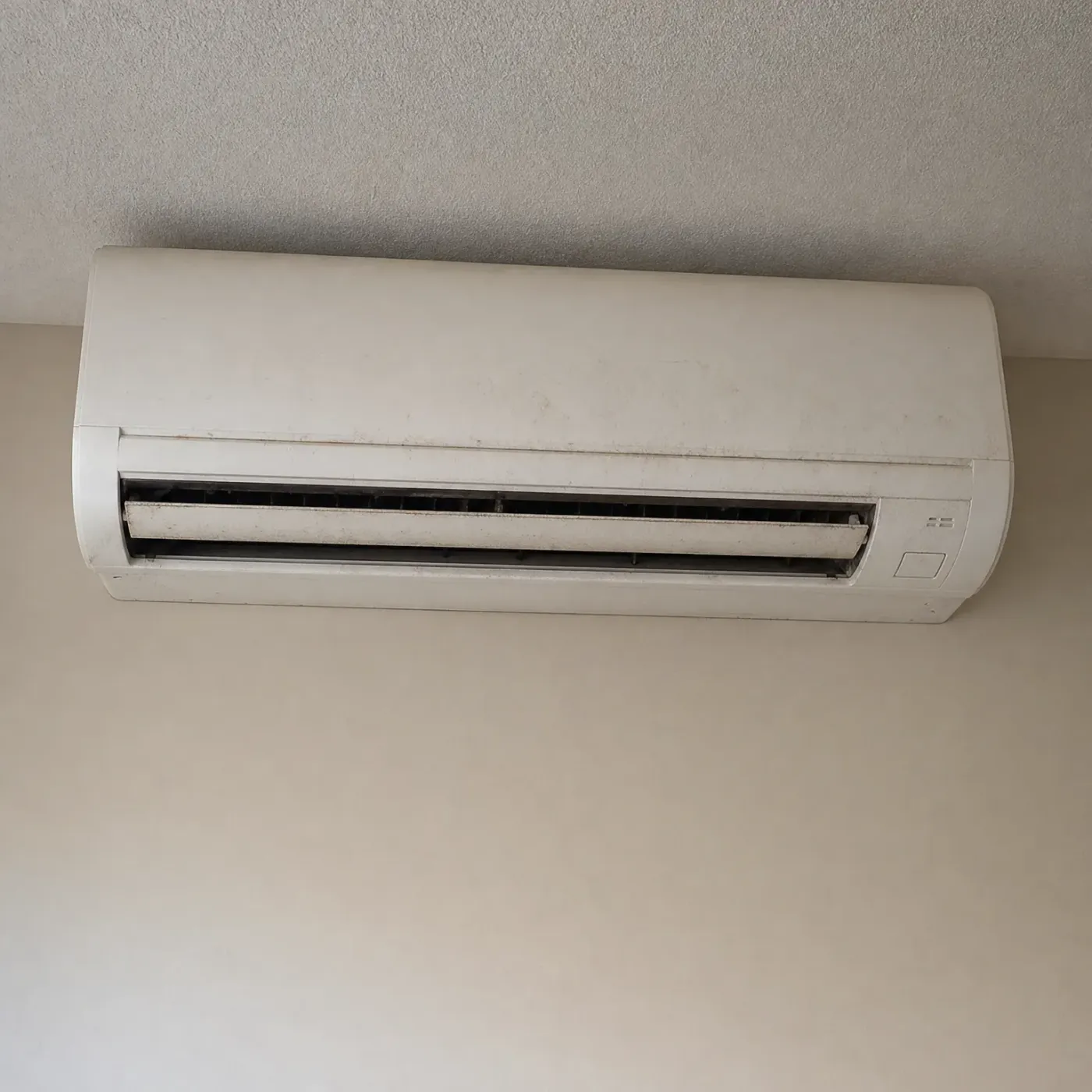
The outdoor unit is covered in coils that pull heat out of cold air, and in Michigan winters those coils collect frost. The system watches the coil temperature, and when frost builds up enough to choke airflow, it switches into defrost. For a few minutes it runs backward, sending warm refrigerant out to melt the ice. That's why the indoor air feels cool or stops moving right then, and why the outdoor fan looks like it quit. Nothing is broken. It's just clearing ice so the coil can keep pulling heat from the air outside. How often this happens depends partly on the setting. A unit pushed to chase a high number works harder and defrosts more often than one held at a steady, lower setting. If you ever notice ice left on the outdoor coil after a cycle, that's worth having looked at before the next cold stretch, since it usually means the coil isn't shedding frost the way it should.
What's happening during a defrost cycle
- A mini split checks outdoor coil temperature constantly and starts a defrost cycle when frost builds up enough to block airflow.
- During defrost the indoor fan shuts off or runs on low while the system briefly reverses, so you can feel cooler air for a few minutes.
- The outdoor fan slows or stops during that cycle too, which is why the unit looks idle even though the compressor is still working.
- Most units run defrost on a timer combined with a coil sensor reading, not just on a fixed schedule.
- A unit set to a lower, steadier temperature cycles into defrost less often than one pushed hard to chase a high setting.
- Ice that doesn't fully melt off the outdoor coil between cycles is usually the first sign something needs a look before next winter.
That same humidity that makes a Michigan summer feel heavier than the thermometer says, a dew point averaging 60°F across June, July and August per NOAA, is the same stretch of weather your mini split's coil has to wring moisture out of all season. The winter setting you pick doesn't undo that work. A coil that ran wet and dirty all summer heats less efficiently once the furnace hands things back to the mini split on milder days. If the unit struggled to keep up on sticky July afternoons, that's worth a look before cold weather puts different demands on the same coil.
NASA POWER T2MDEW county cells weighted by homes


Power costs 20.03 cents per kilowatt-hour statewide
At just over 20 cents a kilowatt-hour, every degree you push past 68 costs you on the bill, and it costs more on the coldest nights when the compressor is already working hardest to keep up. Setting it right matters more here than in states with cheaper power.
EIA-861 2025 statewide residential average
68 on the mini split, furnace picking up the rest once it's genuinely cold out, is the setting that keeps both machines working the way they're built to work. That's the whole answer. What decides whether it stays that simple is whether the unit itself is ready for the stretch of cold ahead, coil clean, filter clear, defrost cycle doing its job without someone noticing it's not. A tech who works on mini splits through a Michigan winter every year has seen which parts give out first on units run hard in weather like this, and knows what to check before that happens rather than after. Getting matched means one licensed contractor local to you looks at your actual unit, not a call center reading from a script, and not three other companies competing for the same job. You set the number. Someone who knows this equipment in this climate makes sure the unit can hold it.
A mini split pro near you
The pro who reaches out is licensed in Michigan.
You only hire the pro if you want to.